Choosing a 3m face mask in 2026 requires more than comparing price, color, or package size. Global buyers must examine certification, filtration performance, fit, breathability, supply continuity, and intended workplace conditions. A mask for dusty construction differs from one used near oil-based particles or infectious aerosols. The label matters.
The World Health Organization continues to stress risk-based respiratory protection, while NIOSH guidance places strong emphasis on fit testing and correct use. The U.S. Bureau of Labor Statistics also reports that millions of workers remain exposed to airborne hazards across construction, manufacturing, healthcare, and public services. These figures show why purchasing decisions cannot rely on appearance alone. A genuine 3m face mask should have traceable packaging, model information, and certification details that buyers can verify through official databases. Counterfeit products remain a serious concern.
Dr. John Howard, former director of NIOSH, has repeatedly emphasized a core principle: “The best respirator is the one that fits.” That statement sounds simple. It is not always easy to apply. Facial hair, glasses, heat, long shifts, and communication needs can change real-world performance. A buyer may select an excellent product and still achieve weak protection if workers wear it loosely. This guide examines practical selection criteria, regional purchasing risks, and supplier verification methods. It also recognizes an uncomfortable truth: no single 3m face mask suits every user, industry, or climate. Mistakes are possible, so responsible buyers should test assumptions before placing large orders.

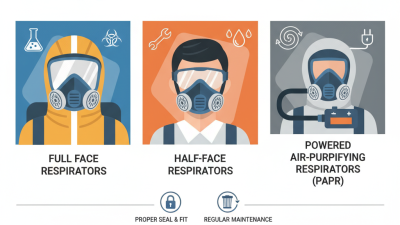
Choosing face masks for international procurement requires more than reading “high protection” on a package. The key difference is design purpose. Filtering facepiece respirators are built to reduce inhaled particles, while surgical masks mainly control droplets and resist fluid splashes. Fit matters.
According to NIOSH certification criteria, an N95-class respirator must filter at least 95% of test particles around 0.3 microns. Under EN 149, FFP2 requires at least 94% filtration, while FFP3 requires at least 99%.
These are laboratory results, not guaranteed protection on every face. Facial hair, loose straps, and poor nose shaping can weaken the seal. In real purchasing reviews, this detail is often underestimated.
ASTM F2100 data classify medical masks by bacterial filtration efficiency. Level 1 requires at least 95%, while Levels 2 and 3 require at least 98%. Buyers should verify the intended workplace before choosing a standard. Dusty production areas may need a fit-tested respirator. Clinical settings may require fluid resistance and bacterial filtration.
Check approval numbers, test standard, lot details, expiry date, and manufacturer instructions.
A clean label is not proof.
I still find specifications that list filtration values without explaining fit, breathing resistance, or test conditions. That omission deserves careful questioning.

Choosing a face mask starts with the workplace risk, not the product label. Dust from cutting concrete requires particle filtration and a secure seal. Chemical vapors demand a different protection method and professional hazard assessment. Surgical environments may prioritize fluid resistance, breathability, and controlled hygiene.
Fit matters as much as filtration. A mask should sit firmly across the nose, cheeks, and chin. Gaps near eyeglasses often reveal poor adjustment. Facial hair can also weaken the seal. In one practical check, users can cover the filter surface gently and breathe in. Air entering around the edges signals a fit problem.
User needs shape daily performance. Workers wearing masks for eight hours may need low breathing resistance, soft contact points, and clear speech. Heat, humidity, and frequent movement deserve attention. Children, older adults, and people with breathing conditions may require medical advice before use. Comfort is not a luxury.
Check certification for the destination market. Requirements differ across countries and workplace sectors. Buyers should review test reports, batch information, instructions, and replacement guidance. A low price may hide unclear documentation. That risk is easy to underestimate. No mask suits every task, face shape, or climate, so trial fitting with actual users remains essential.
2026 Guide: Choosing Certified Face Masks for Global Buyers
Authenticity should be checked before price or delivery speed. A professional buyer compares packaging, model details, lot numbers, and manufacturing dates. Small errors matter. Uneven printing, vague addresses, or mismatched product codes can signal trouble. Do not trust a supplier’s PDF alone. Verify the certificate number through the issuing organization’s public database, when available. Check its scope, expiration date, product model, and factory location. A valid document for one respirator type may not cover another.
Tips: Request clear photos of the box, mask, labels, and outer carton. Match every code across these items. Ask for recent test reports from a competent laboratory. Confirm that the report identifies the exact model, not only a similar design. Keep purchase records, inspection photos, and shipping documents together. Traceability becomes useful when cartons arrive damaged or product details change.
A reliable supply chain should connect each shipment to a production lot, date, facility, and responsible seller. Sealed cartons help, but seals are not proof. I have seen attractive packaging hide incomplete records. That possibility deserves attention. Buyers should also inspect a sample before approving large quantities. Fit, strap strength, odor, and printing quality can reveal inconsistencies. Some checks are easy to overlook under time pressure. A written verification checklist reduces that risk, although it cannot replace independent inspection.
A practical buyer checklist for verifying disposable filtering facepiece respirators before purchase and import.
| Buyer Checkpoint | Applicable Reference | Evidence to Request | Acceptance Criteria | Common Red Flags |
|---|---|---|---|---|
| Define the required protection class | Destination-country rules and intended use | Written product specification stating filtration class, intended use, size, and limitations | The requested class matches the workplace risk assessment and import requirements | A generic claim such as “medical-grade” without a recognized performance standard |
| Check the claimed standard | NIOSH 42 CFR Part 84; EN 149:2001+A1:2009; GB 2626-2019 | Certificate number, standard edition, classification, approval holder or legal manufacturer, and approved model list | The certificate identifies the same model, configuration, and legal entity shown on the packaging | A certificate references a different model, outdated standard, or unrelated product category |
| Understand that standards are not automatically interchangeable | National and regional conformity requirements | A documented equivalence assessment or local regulatory acceptance, where applicable | The importer confirms that the selected standard is accepted in the destination market | Statements that KN95, FFP2, and N95 are “identical” without regulatory justification |
| Verify certification records independently | Official regulator or conformity-assessment database | A searchable record or official certificate copy obtained from the issuing authority | Certificate number, model, approval holder, and status are consistent across all records | Only a seller-created PDF, cropped screenshot, or unverifiable QR code is provided |
| Inspect mandatory product markings | The marking requirements of the claimed standard | Clear photos of the respirator, retail box, shipping carton, and instruction leaflet | Markings are legible, permanent where required, and consistent with the certificate and technical file | Spelling errors, missing standard designation, inconsistent model numbers, or unclear printing |
| Review test performance, not only certification labels | The relevant test methods in the declared standard | Complete test report showing laboratory identity, sample description, test date, methods, and results | Results cover filtration, breathing resistance, leakage or fit-related requirements, and flammability where applicable | A one-page “pass” statement with no sample identification, method, or measured values |
| Confirm laboratory competence | ISO/IEC 17025 laboratory competence framework | Laboratory accreditation scope and report reference number | The laboratory scope covers the exact respiratory-protection tests reported | Accreditation applies only to unrelated tests, or the scope cannot be verified |
| Match samples to production goods | Quality-control and change-control procedures | Pre-shipment sample, approved artwork, bill of materials, and signed golden-sample record | Material layers, dimensions, nosepiece, ear loops or headbands, packaging, and markings match the approved sample | The supplier changes materials, factory, or packaging without documented approval |
| Establish lot-level traceability | Good manufacturing and quality-record practices | Lot or batch number, production date, expiration or shelf-life information, quantity, and production line or site record | Every carton and inner package can be linked to a specific production record and shipment | Repeated or missing lot numbers, handwritten labels, or no production records |
| Check shelf life and storage conditions | Manufacturer’s validated shelf-life statement and applicable standard | Shelf-life basis, storage-temperature range, humidity guidance, and packaging integrity requirements | Remaining shelf life meets the buyer’s contract and local import requirements | Dates are absent, altered, inconsistent, or unsupported by a documented shelf-life specification |
| Perform pre-shipment inspection | Purchase contract and agreed inspection plan | Inspection report covering quantity, dimensions, packaging, markings, workmanship, and random samples | Inspection results meet agreed acceptance limits before release of payment or shipment | Inspection occurs only after delivery, or the supplier refuses independent sampling |
| Retain import and quality records | Destination-country customs, product, and workplace-safety rules | Commercial invoice, packing list, certificate, test report, declaration, inspection report, and shipment photos | Records are complete, version-controlled, and retrievable by product model and lot number | Documents use different product names, quantities, dates, or legal manufacturer details |
| Define corrective-action and recall capability | Contract terms and product-safety procedures | Complaint process, response deadlines, replacement terms, recall procedure, and contact escalation path | The buyer can identify affected lots and stop distribution quickly if a nonconformity is found | No lot-level records, no written complaint process, or refusal to support post-delivery investigation |
Choosing a protective face mask begins with fit, not appearance. A mask should cover the nose, mouth, and chin without leaving visible side gaps. During product checks, I ask wearers to bend, speak, and turn their heads. If the mask moves, protection may weaken.
Fit varies widely.
A size chart is only a starting point. Face shape, facial hair, and ear-loop tension can change the result. Adjustable nosepieces often improve stability, but excessive pressure can cause discomfort after several hours. Soft inner materials matter in warm warehouses and busy transport areas. A comfortable mask is more likely to be worn correctly.
Breathability also deserves careful attention.
Dense filtering layers may increase breathing resistance, especially during physical work. Buyers should review independent test data and check whether measurements cover filtration, breathing resistance, and leakage. A low-resistance mask is not automatically suitable if it fits poorly. That mistake is easy to make.
Wearing requirements depend on the working environment. Short visits, long shifts, dusty handling, and humid outdoor work create different needs. Users should replace masks when they become wet, damaged, dirty, or difficult to breathe through. Reusable designs require clear cleaning instructions and regular inspection. Disposable products need clean storage before use. Local workplace guidance should be checked before large orders. In practice, small wearer trials often reveal problems that product sheets miss. That extra step can feel slow, but it prevents expensive and uncomfortable purchases.
Global mask purchasing in 2026 requires more than comparing unit prices. Buyers should define intended use, exposure level, wearer population, and destination markets before requesting quotes. A particulate respirator for dusty construction differs from a medical mask used in patient care. Confirm the required filtration class, fit characteristics, fluid resistance, and packaging language. Requirements vary by country. A certificate accepted in one market may fail customs or workplace review elsewhere. Keep the intended use clear.
Build a compliance file for every approved model. It should include test reports from competent laboratories, declarations, product specifications, labeling artwork, batch records, and inspection results. Check whether documents match the exact model and production site. This detail is often missed. Ask suppliers for recent samples, not only polished brochures. Conduct seal checks and, where required, formal fit testing with representative users. Record failures honestly; a comfortable mask that leaks is not a successful purchase.
Supply planning needs more than a signed contract. Set forecast ranges, minimum stock levels, inspection points, and escalation contacts. Verify carton dimensions because warehouse space and freight costs can change quickly. Use lot numbers to trace shipments from factory release to final distribution. An independent pre-shipment inspection may reveal damaged packaging or inconsistent labeling. We have seen plans fail when one supplier carried all demand. Dual sourcing improves resilience, but it also complicates qualification and document control. Review the process quarterly, even when deliveries appear smooth.