Choosing the right 3m n95 mask in 2026 requires more than comparing prices or package designs. Global buyers must examine fit, certification, filtration performance, comfort, and supply-chain credibility. A mask may look professional yet fail to seal around the nose and cheeks. Small gaps can reduce real-world protection, especially in dusty workshops, crowded transport hubs, or clinical environments.
This guide introduces three important 3M N95 mask types for international purchasing decisions. It considers cup-style, foldable, and specialized designs, including models with features such as adjustable nose clips or fluid resistance. Each type serves different users. A warehouse worker may value durability, while a healthcare professional may prioritize fit testing and splash protection. Comfort matters too. Workers remove uncomfortable masks more often.
Details matter.
Reliable buyers should verify model numbers, packaging, manufacturer information, and authorized distribution channels. Regional requirements can differ, so a product accepted in one market may need additional documentation elsewhere. N95 is a regulated designation in the United States, while other countries may use comparable standards, such as FFP2 or KN95. These terms are not automatically interchangeable. Independent testing, workplace guidance, and local authorities remain important references.
This overview is practical, but it cannot replace professional respiratory protection advice. Even experienced purchasers can overlook counterfeit packaging or changing availability. That uncertainty deserves attention. The best choice is rarely the cheapest box. It is the mask that fits intended users, matches the working environment, and can be traced to a credible source.
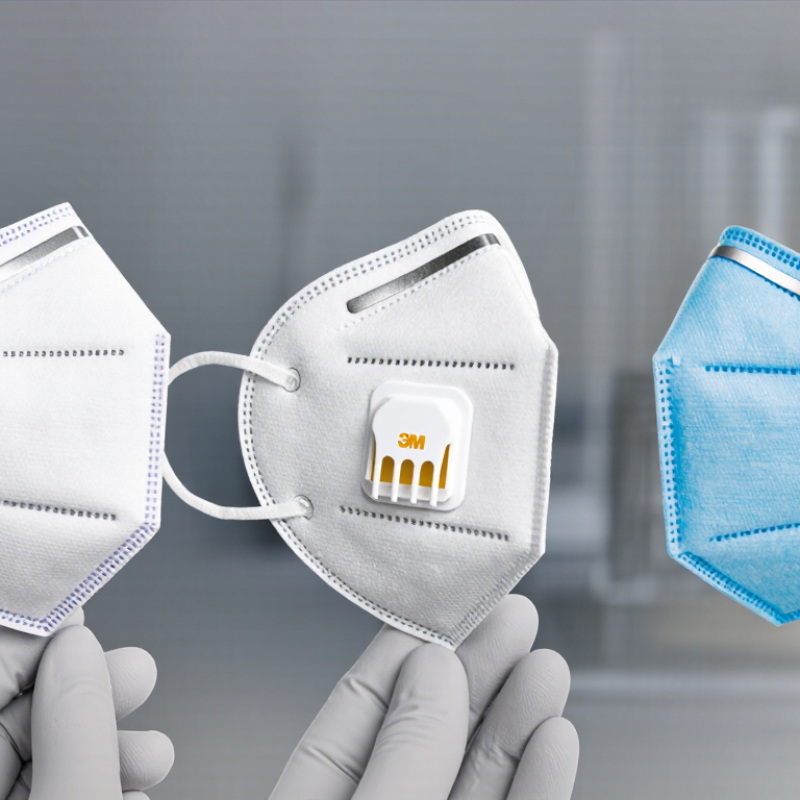
For global buyers, a suitable N95 respirator must offer verified performance, consistent fit, and clear documentation. Under the NIOSH 42 CFR Part 84 standard, an approved N95 must filter at least 95% of test particles under worst-case conditions. However, this approval is not a universal passport. Buyers should check local rules, including European PPE requirements or other national certification systems.
Practical procurement checks matter. Review the approval number, manufacturer records, production date, and packaging integrity. The respirator should seal around the nose and cheeks without painful pressure. Facial hair, narrow faces, and different nose shapes can reduce protection. A 2024 CDC workplace safety review again emphasized fit testing as a key factor in real-world respirator performance. Comfort also affects use. A mask that becomes damp during a humid twelve-hour shift may be technically compliant but poorly accepted.
Global shipments need traceability. Independent laboratory reports should confirm filtration, breathing resistance, and leakage performance. The World Health Organization’s infection-prevention guidance supports using certified, well-fitting respiratory protection according to exposure risk. Buyers should also inspect cartons for damaged seals, inconsistent printing, or missing instructions. A convincing label can still be misleading. I would not rely on price alone; that shortcut remains common, and it often fails. Even strong documentation cannot replace a wearer fit check in the actual workplace.
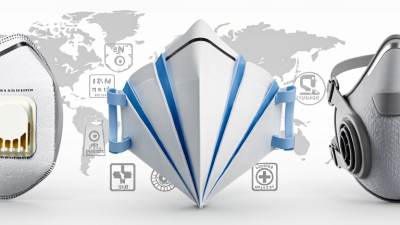
For global buyers, three common N95 mask shapes are cup-style, fold-flat, and duckbill. Each can filter approved particles, but shape strongly affects fit and comfort.
Cup-style masks keep their structure around the nose and cheeks. They usually feel stable during long shifts, though their firm edge may press against facial contours. Fold-flat masks store easily in a pocket and suit changing work locations. Their panels can flex with movement, but poor folding or weak nose shaping may create gaps. Duckbill masks extend outward from the face. This design offers more breathing room and reduces contact with the lips. Some users find the profile awkward. Appearance matters less than sealing.
Fit is personal. Very much so. During workplace checks, I look for gaps near the nose, chin, and cheekbones. Facial hair, glasses, sweat, and fast movement can change the seal. A mask that fits one employee may leak on another. Buyers should request multiple sizes and conduct user seal checks before bulk purchasing. Comfort also affects real-world use; workers may adjust an uncomfortable mask repeatedly, weakening protection.
Features deserve careful review. Adjustable nose pieces, soft inner linings, low-resistance valves, and individually wrapped units can improve usability, but they do not replace certification. Check current approval records, packaging details, production dates, and supplier traceability in the destination market. Some product descriptions sound impressive but remain vague. That deserves scrutiny. Local occupational guidance should determine selection, especially where exposure levels, humidity, or communication needs differ.
Three Leading N95 Mask Types to Compare in 2026
Cup-style N95 respirators keep a firm shape during extended wear. Their structured shell usually stays away from the nose and mouth. This can improve breathing comfort for some users. However, the rigid edge may press against cheeks or leave gaps. Fit testing remains important, especially for workers with facial hair or unusual face shapes.
Flat-fold N95 respirators collapse easily for storage and transport. A sealed pouch can fit inside a work bag or emergency cabinet. Their flexible panels may suit different face shapes better. Still, folds can shift during speaking, and poor adjustment may weaken the seal. Buyers should inspect the nose clip, straps, and package condition before use.
Molded valveless N95 respirators offer another practical option. They often feel stable during movement and resist accidental folding. Construction sites, clinics, and dusty workshops may value this consistency. Yet some wearers find them warmer after several hours. I have also seen users judge comfort too quickly, then ignore small leaks. That is a mistake.
Reliable purchasing requires more than comparing photographs. Check recognized certification markings, production details, user instructions, and supplier traceability. Ask for current documentation when specifications seem unclear. Facial fit, not appearance, decides protection. A cheaper model may become expensive if workers remove it repeatedly. Personal testing is worth the extra time.
Cup-style, flat-fold, and three-panel N95 respirators are common design types for global buyers. The chart compares the same NIOSH N95 minimum particle-filtration requirement across each form factor.
A pre-shaped shell that can provide a stable structure and consistent facial coverage when properly fitted.
A foldable design that is convenient for storage and transport; fit depends strongly on the individual’s face shape.
A multi-panel design that can expand across the nose, cheeks, and chin to support facial movement and fit.
N95 is a filtration classification, not a shape classification. Under the NIOSH benchmark, an N95 respirator must filter at least 95% of test particles, have inhalation resistance no greater than 35 mm H₂O, and have exhalation resistance no greater than 25 mm H₂O under specified test conditions. Actual protection depends on certification, fit testing, correct wearing, and local regulatory requirements.
For global buyers, N95 respirators usually appear in three practical forms: cup-shaped, flat-fold, and surgical-style designs. Their shape affects comfort, storage, and fit, not filtration quality alone. A certified respirator must filter at least 95% of test particles near 0.3 microns under the applicable approval method (NIOSH Certified Equipment List). That number is useful, but it does not prove a product is genuine.
Check the printed approval number first. Search it in the official NIOSH Certified Equipment List, then compare the manufacturer, model, and product category. The package should show a clear approval reference, lot details, production information, and consistent spelling. Missing symbols or blurred ink deserve attention. The CDC and NIOSH counterfeit guidance warns that unauthorized markings and exaggerated claims are common warning signs. A clean package is not proof.
I also inspect the respirator itself. The approval marking should be readable, the straps should attach evenly, and the nose seal should hold without visible gaps. Fit testing matters because facial hair, glasses, and movement can reduce protection. OSHA’s respiratory protection guidance treats fit testing as essential for tight-fitting respirators. Buyers should request test reports, supplier traceability, and current approval records. I would not rely on a certificate image alone. Some documents look professional, yet they may describe another model. These checks take minutes, but rushed purchasing remains a weak point.
Selecting the right N95 respirator starts with the wearer, not the catalog. Cup-shaped models often feel rigid but maintain a stable seal during long shifts. Flat-fold designs pack efficiently and suit mobile teams. Duckbill styles may offer more breathing space, although some users dislike their appearance. A valveless design is usually preferable when outward particle control also matters.
Global buyers should confirm the applicable approval system before comparing prices. “N95” refers to a U.S. filtration classification, while other markets may require different certifications or documentation. Request current certificates, test reports, product photographs, carton labels, lot numbers, and shelf-life information. Check whether the documents match the exact model, not merely a similar product family.
Fit is decisive.
Ask suppliers for samples in several sizes, then conduct a formal fit evaluation with representative workers. Facial hair, glasses, heat, and movement can change performance. During sourcing, review factory quality controls, inspection records, production capacity, minimum order quantities, and realistic lead times. A low unit price can hide weak traceability or inconsistent materials.
That deserves scrutiny. I would also test packaging after humidity and transport exposure, because a respirator can look perfect while its box is damaged. One practical weakness remains: buyers sometimes choose from photos alone. That shortcut saves time initially, but it can create expensive returns, delays, and poor wearer acceptance later.