2026 Top 3M N95 Mask Types for Global Buyers?
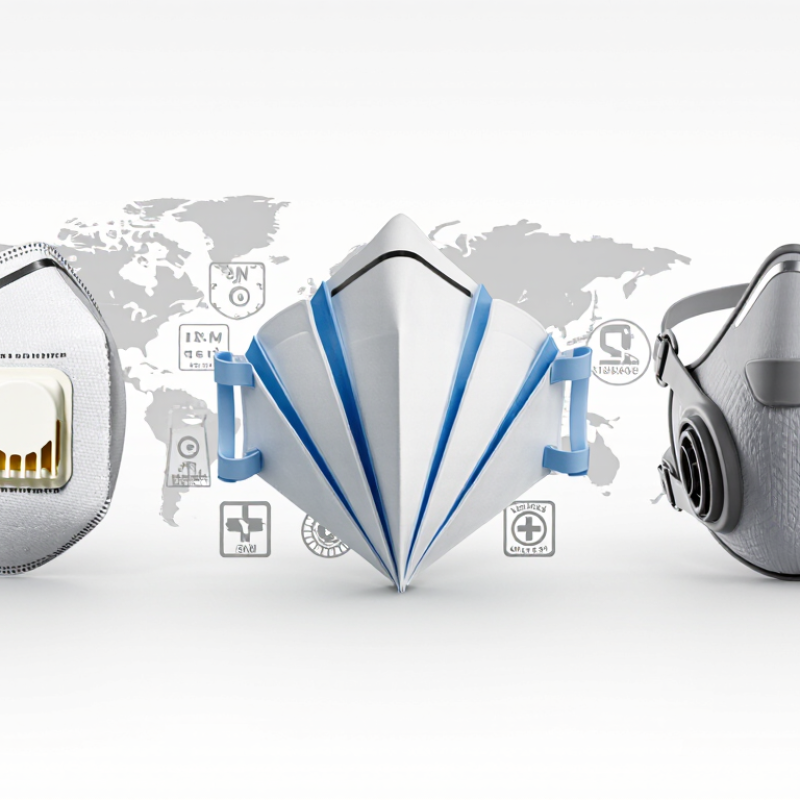
For global buyers, choosing the right 3m n95 mask is more complicated than comparing prices or package photos. A product may look identical across suppliers, yet differ in model number, certification status, fit, packaging, or production origin. This 2026 guide examines three practical categories: cup-style respirators, three-panel flat-fold designs, and specialized N95 options for workplace environments. Each type serves different users, from warehouse teams and healthcare staff to visitors needing short-term protection in dusty settings.
Real purchasing experience shows that fit often matters more than appearance. A rigid cup shape can seal well on one face but feel uncomfortable after several hours. A flat-fold mask packs neatly, although some users notice movement around the nose. Specialized designs may offer added comfort or odor-related features, but they should not be treated as universal solutions. Buyers should verify the exact 3M model, NIOSH approval information, authorized distribution, lot details, and local import requirements. Supplier claims alone are not enough.
That detail matters.
This article does not present one model as perfect for every country or face shape. A ranking can mislead when workplace risks, climate, facial dimensions, and supply channels vary. Even experienced procurement teams can overlook small packaging differences. We will therefore compare practical strengths, limitations, fit considerations, and verification steps. The goal is a clearer buying decision, not a dramatic promise. Always follow official instructions and consult qualified safety professionals for regulated workplace use.
Define the N95 Benchmark: NIOSH Requires ≥95% Filtration at 0.3 µm
An N95 respirator must filter at least 95% of test particles measuring 0.3 micrometers. This benchmark comes from NIOSH performance requirements. It does not mean the respirator blocks exactly 95% of every particle. The 0.3-micrometer size represents a challenging filtration range. Particle size matters.
In practical procurement reviews, buyers should inspect approval details, model information, packaging, and production traceability. An approval number alone is not enough. Fit testing remains essential because gaps around the nose or cheeks can reduce protection sharply. Small details matter. Correct strap tension, nose adjustment, and stable positioning should be checked during use. Facial hair can prevent an effective seal.
Comfort also affects real-world performance. A respirator that causes pressure, heat, or breathing discomfort may be removed too often. Buyers should compare several certified designs with trained users before placing large orders. Not every product labeled “N95-style” meets the same standard. Local import and workplace requirements may also differ, so documentation must be verified with competent authorities. Real-world performance is never perfect. Storage damage, moisture, crushed packaging, or poor user training can weaken results. Even careful teams may overlook these practical failures. That uncertainty deserves attention during supplier evaluation.
Compare 3M 1860 and 1870+: Fluid Resistance, Fit, and Use Cases
For global buyers, the 1860 and 1870+ represent two practical surgical N95 designs. Both are tested to filter at least 95% of particles at 0.3 microns, according to NIOSH certification requirements. Their protection still depends on a complete seal. A loose edge can defeat excellent filter media.
The 1860 uses a conventional cup shape. It often feels firm and stable during long shifts. Product data lists fluid resistance against synthetic blood at 160 mmHg under ASTM F1862 testing.
The 1870+ uses a three-panel design. It folds more easily and may suit different face shapes. Its listed fluid-resistance level is 120 mmHg.
That difference matters near heavy splashes, but it does not replace eye protection or safe clinical procedures. OSHA assigns a 10 APF to fit-tested half-mask filtering respirators, yet real-world movement can reduce comfort and compliance.
Tips:
Check the NIOSH Certified Equipment List before purchasing. Request lot traceability and current technical sheets. Perform a fit test, not only a seal check. In field use, I have seen smaller faces struggle with cup models, while some users dislike panel collapse during speech. That observation is useful, but not universal. Try both designs with glasses, facial hair policies, and eight-hour wear trials.
Procurement teams sometimes compare price first. That is an incomplete measure. Report sources: NIOSH certification criteria, OSHA respiratory protection guidance, and ASTM F1862 testing methods.
Match 3M N95 Types to OSHA APF 10 and Global Buyer Needs
For 2026, global buyers should match N95 respirator types with OSHA’s APF 10 requirement and actual workplace conditions.
An APF 10 respirator may reduce exposure when correctly selected, fitted, and used within a complete respiratory protection program. It is not suitable for oxygen-deficient areas or unknown concentrations.
Cup-style models offer a firm shape and quick inspection. Foldable models pack efficiently and suit mobile teams. Three-panel designs often improve movement around the nose and cheeks.
Fit matters more than appearance.
A small leak near the nose can undermine the expected protection. Buyers should review fit-test results, filtration records, manufacturing consistency, and shelf-life information. They should also check local certification requirements before importing products. A respirator approved in one market may not satisfy another market’s rules. I would not treat one supplier’s chart as final evidence. Ask for current documents and compare them with independent requirements.
Tips:
Test several sizes with workers before placing a large order. Check seal stability during speech, bending, and humid shifts. Choose models without valves where source control is required. Store cartons away from heat, moisture, and crushing. Keep a practical reserve, but avoid excessive stock because materials can age. A perfect choice on paper can still fail during a long shift.
Verify 2026 Purchases: NIOSH Approval, CE Marking, and Counterfeit Checks
For 2026 purchases, respirator verification should begin before comparing price or filtration claims.
Check the exact model in the official NIOSH Certified Equipment List. Match its approval number, manufacturer details, configuration, and approval status. A printed “N95” label alone proves very little. The number should correspond to the product in your hands.
For European shipments, review the CE marking and the related EU Declaration of Conformity.
Confirm the applicable standard, notified-body details, product model, and importer information. A CE symbol is not automatically proof of superior performance. It indicates conformity with relevant requirements, while fit, seal, and correct use still matter. Packaging should show batch information, production details, and clear instructions. Missing translations or blurred printing deserve attention.
Counterfeit checks require practical comparison.
Buy through a traceable supplier with a verifiable business address and written documentation. Compare package colors, fonts, folds, straps, nose clips, and markings with approved product records. Be cautious when several boxes show identical suspicious errors. Do not trust unusually low prices without an explanation. My own review process would also record photographs, invoices, and lot numbers before opening cartons. This feels excessive, but it helps resolve disputes. Mistakes still happen, especially when buyers check only one package instead of every shipment. When approval data, physical details, and supplier records disagree, pause the purchase and request independent verification.