What is a 3M Gas Mask and How Does It Work?
The 3M gas mask is a crucial device used to protect the respiratory system from harmful agents. Designed for various environments, it filters out contaminants in the air. This mask features multiple layers of filtration, ensuring high-quality protection.
One key aspect of the 3M gas mask is its versatility. It can be used in industrial settings, during chemical spills, or for personal safety. Its effectiveness relies on both the materials used and the proper fit. However, even the best gas masks require careful handling and maintenance.
Real-life scenarios remind us of the importance of preparedness. Testing the mask before use is essential. While the 3M gas mask is reliable, no protective device is infallible. Regular inspection and understanding its limitations are necessary for optimal safety.
What is a 3M Gas Mask and Its Historical Development
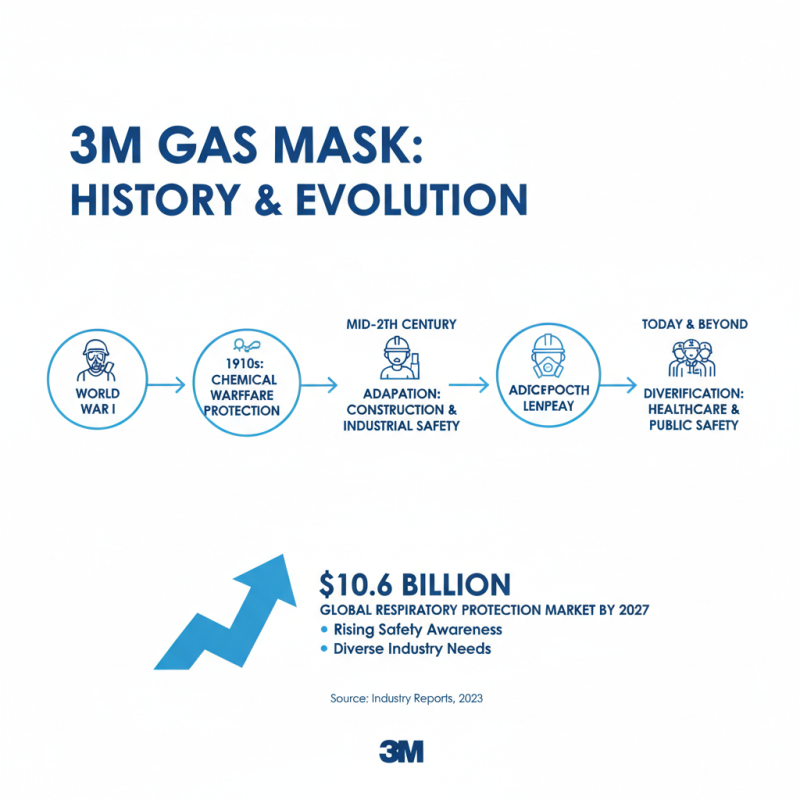
The 3M gas mask has a rich history that reflects the evolving needs of public safety. Initially designed during World War I, these masks provided essential protection against chemical warfare. They have since adapted to serve various industries like construction and healthcare. In fact, the global respiratory protection market is projected to reach $10.6 billion by 2027. This growth indicates a rising awareness about safety equipment across diverse sectors.
Over the years, 3M gas masks have incorporated advanced filtration technologies. These innovations improve air quality and ensure user safety. A report from the National Institute for Occupational Safety and Health highlights that proper mask usage can reduce inhalation risks by up to 99%. However, the importance of correct fitment often gets overlooked. Even the best masks provide limited protection if they are not fitted properly.
The historical development of gas masks illustrates a continuous quest for better design and functionality. With each refinement, manufacturers strive to enhance protection against toxic substances. Yet, challenges persist, such as maintaining user comfort during prolonged use. Ensuring that masks are both effective and comfortable remains a crucial conversation in safety protocols.
Key Components of 3M Gas Masks: Filters, Canisters, and Materials
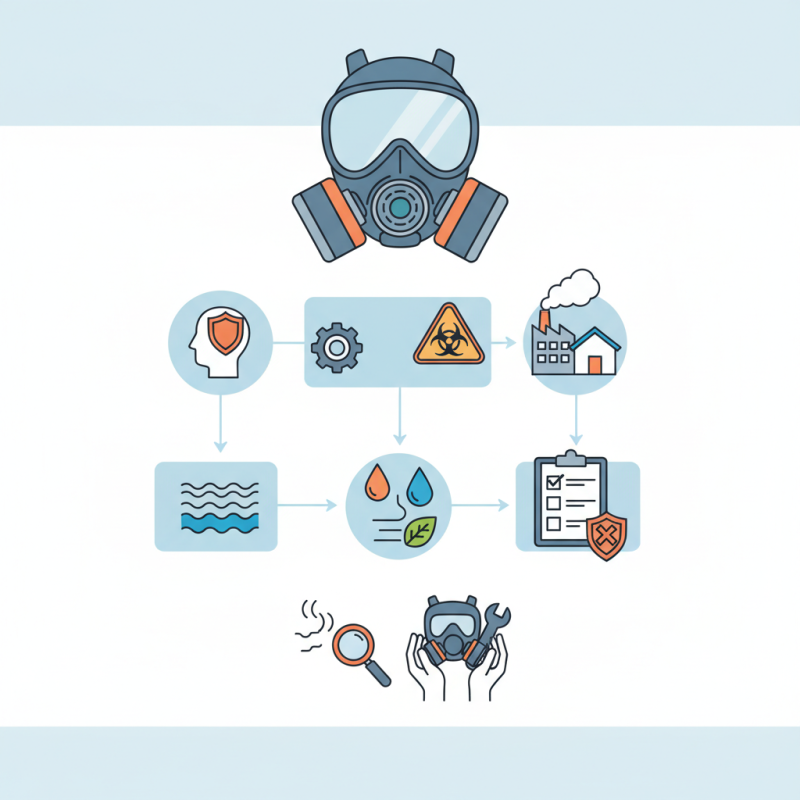
3M gas masks are designed to protect users from harmful airborne particles and gases. Their effectiveness largely depends on three key components:
filters,
canisters, and
materials. Each element plays an essential role in ensuring safety in hazardous environments.
Filters are the heart of a gas mask. They work by trapping particles, including dust, smoke, and biological contaminants. These filters must be chosen carefully; the wrong type can lead to exposure.
Canisters counteract specific gases, absorbing harmful substances before they reach the wearer. Not all canisters are created equal; each targets different chemicals.
The materials used in gas masks also matter. Lightweight yet durable fabrics provide comfort and protection. They prevent harmful substances from penetrating while allowing for adequate airflow. However, if these materials degrade, their effectiveness diminishes. Users must regularly check their equipment.
Even the best masks require maintenance and replacement parts to ensure they perform as needed. Understanding these components helps users make informed choices about their respiratory safety.
How 3M Gas Masks Provide Protection Against Chemical and Biological Agents
3M gas masks are vital tools for protection against harmful chemical and biological agents. These masks utilize advanced filtration systems to trap harmful particles and gases. According to a report by the U.S. National Institute for Occupational Safety and Health, approximately 4.3 million Americans are exposed to hazardous chemicals at work each year. The right gas mask can greatly reduce these risks.
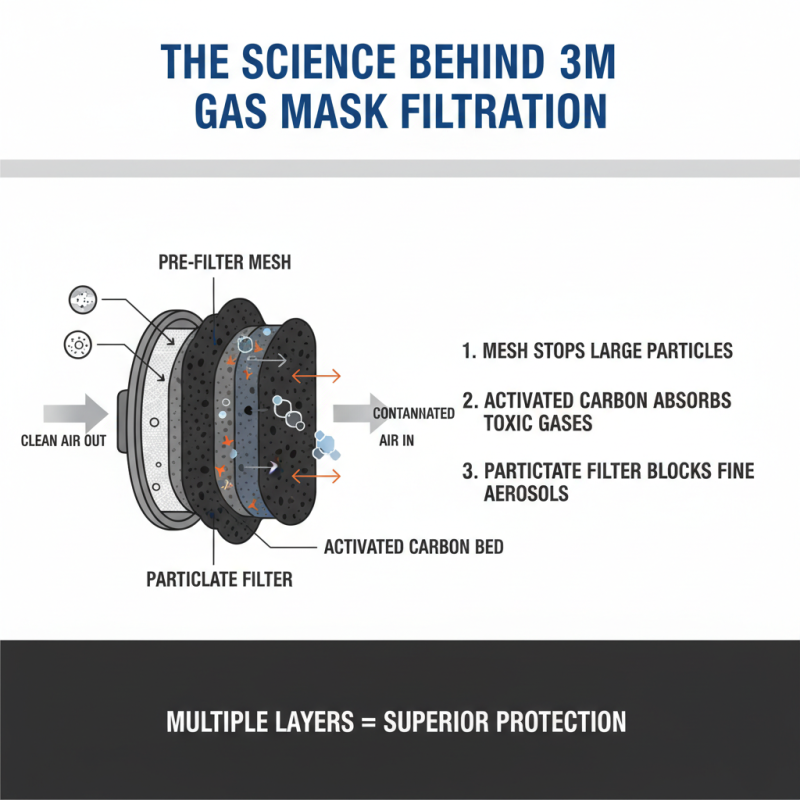
The masks feature a multi-layer filtration system designed to capture a range of toxins. The particulate filters catch solid particulates, while activated carbon layers adsorb volatile organic compounds. Field studies show that effective gas masks can filter out over 99% of particulate hazards. Many masks also come with a face seal to ensure a snug fit, preventing unfiltered air from entering.
**Tip:** Regularly check your gas mask's fit and integrity. A poorly fitting mask does not provide adequate protection.
While gas masks offer considerable safety, user education is key. Misunderstanding the mask's limitations can lead to dangerous situations. For instance, a mask may not protect against all gases or at high concentrations. Always conduct a fit test before use to ensure effectiveness.
**Tip:** Familiarize yourself with the specific hazards in your environment. Knowing what you are protecting against can help choose the right mask.
Effectiveness of Gas Masks Against Various Threats
The Science Behind the Filtration Mechanism in 3M Gas Masks
The filtration mechanism in gas masks is vital for safety. These masks feature multiple layers of filters designed to trap harmful particles. The filter material typically includes activated carbon, which absorbs toxic gases. This process is essential for ensuring clean air reaches the user.
When air passes through the mask, larger particles are filtered out initially. Smaller particles and gases then interact with the carbon, which binds to harmful substances. This interaction is key in providing breathable air in hazardous environments. Users must ensure that the masks fit properly to maximize effectiveness. An improper fit can lead to leaks, compromising safety.
Despite advances in design, some users may still find gas masks uncomfortable. Proper training is necessary to use them efficiently. Awareness of the mask's limitations is crucial, as no single design guarantees complete protection. Regular inspections and replacements of filters are also essential to maintain reliability.
Industry Standards and Testing Protocols for 3M Gas Masks
When discussing industry standards, gas masks must meet rigorous testing protocols. These standards ensure that masks effectively filter harmful substances. Testing takes place under various conditions. This maximizes the reliability of the masks for different scenarios.
The performance of a gas mask is evaluated through multiple factors. Filtration efficiency is one key metric. Gas masks are subjected to tests involving various gases and particulates. These tests typically require masks to remove 99% of harmful agents. It’s crucial for safety gear to perform consistently in stressful environments.
Yet, even with established protocols, inconsistencies can occur. Variability in usage and maintenance affects performance. Users may not follow guidelines properly, which can lead to inadequate protection. Regular training and checks are vital to address these lapses, ensuring users understand their equipment fully.