Top Benefits of Wearing N95 Masks and How They Protect You
In recent years, the N95 mask has emerged as a crucial tool in safeguarding public health, particularly during respiratory pandemics and outbreaks. These masks are specifically designed to filter out harmful airborne particles, providing a higher level of protection compared to standard face coverings. As individuals seek effective ways to protect themselves and their communities from airborne diseases, understanding the advantages of wearing an N95 mask becomes increasingly important.
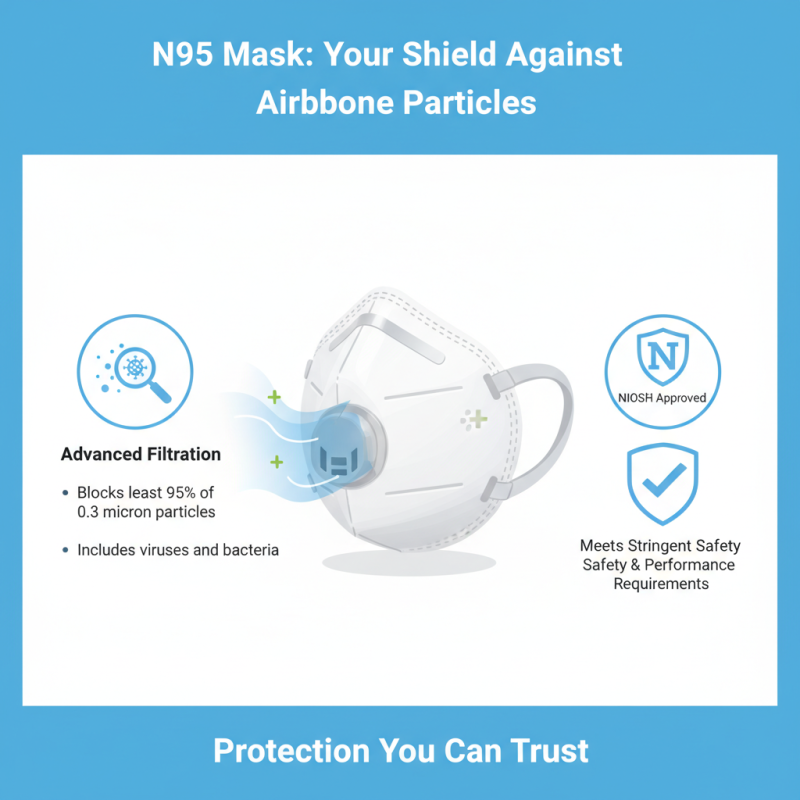
The N95 mask's design allows it to filter at least 95% of very small (0.3 micron) particles, making it a formidable barrier against viruses and bacteria. This efficiency not only helps in reducing the transmission of infectious diseases but also plays a vital role in environments where air quality is a concern, such as construction sites or during wildfires. By wearing an N95 mask, individuals can significantly minimize their risk of inhaling pollutants and pathogens, ultimately contributing to better overall health.
Furthermore, the comfort and fit of the N95 mask make it suitable for prolonged wear, allowing individuals to engage in daily activities while remaining protected. The benefits of using an N95 mask extend beyond personal safety; they contribute to community health efforts, helping to curb the spread of illness and protect vulnerable populations. In this article, we will explore the top benefits of wearing N95 masks and delve into how they provide effective protection for everyone.
Top Benefits of Wearing N95 Masks and How They Protect You
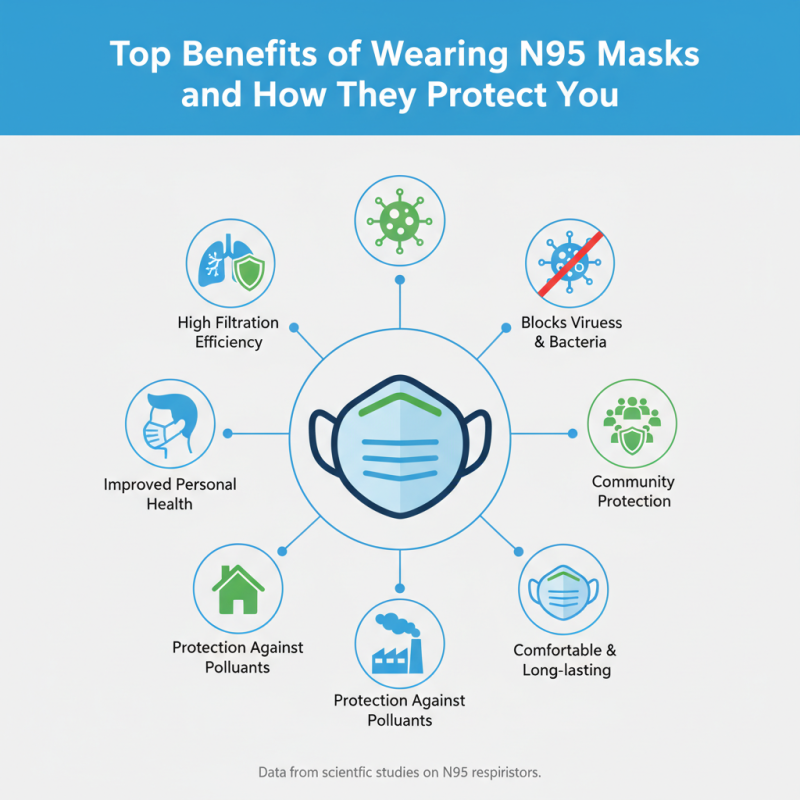
Wearing N95 masks offers significant protective benefits, particularly in environments where aerosolized pathogens are prevalent. These masks are designed to filter at least 95% of airborne particles, including large respiratory droplets and smaller aerosols, which are crucial during outbreaks of infectious diseases. According to a study published by the Journal of the American Medical Association, the use of N95 masks in healthcare settings reduced the risk of acquiring respiratory infections among healthcare workers by 60%, compared to those not wearing such masks.
In everyday situations, wearing an N95 mask can also be beneficial for individuals with allergies or other respiratory conditions. The mask’s filtration system effectively traps allergens like pollen and dust, promoting better respiratory health. Public health recommendations suggest that during high pollution days or flu seasons, donning an N95 mask can significantly lower the risk of respiratory complications.
Tips for effective usage: Always ensure a proper fit by adjusting the nose piece and straps for maximum seal. Remember to replace your N95 mask after several hours of continuous use, or if it becomes damaged or soiled. Moreover, be mindful of the environment in which you are wearing the mask; for maximum effectiveness, use it in crowded or enclosed spaces where airborne transmission is more likely.
Understanding N95 Masks: Filtration Efficiency and Standards
N95 masks are widely recognized for their advanced filtration capabilities, primarily designed to filter out airborne particles. According to data from the National Institute for Occupational Safety and Health (NIOSH), N95 respirators can block at least 95% of very small (0.3 micron) test particles, which includes viruses and bacteria. This high filtration efficiency is crucial in providing respiratory protection in environments where airborne infections can spread. The N95 designation highlights the standard for particulate filtering facepiece respirators established by NIOSH, ensuring that these masks meet stringent requirements for performance and safety.
The effectiveness of N95 masks can be attributed not only to their filtration rate but also to their fit. A proper fit is essential to minimize air leakage around the edges of the mask, as noted in studies conducted by the Centers for Disease Control and Prevention (CDC). Research indicates that even when N95 masks are worn correctly, improper fitting can significantly compromise their protective capabilities. For optimum protection, it is recommended that users conduct a fit test to confirm that the mask forms a proper seal on the face. As the spread of airborne diseases continues to pose a public health challenge, understanding these filtration efficiencies and standards becomes crucial for individuals seeking effective protection.
Comparison of N95 Masks with Regular Surgical Masks in Protection Levels
When evaluating the effectiveness of masks in preventing airborne infections, a crucial comparison is between N95 masks and regular surgical masks. N95 masks are designed to achieve a close facial fit and filter at least 95% of airborne particles, including large respiratory droplets and smaller aerosols. Their tight seal around the face ensures that very little air escapes through the edges, providing superior protection in environments where the risk of exposure to pathogens is high.
In contrast, regular surgical masks offer a looser fit and primarily protect against large droplets and splashes. They serve as a barrier to protect others from the wearer's respiratory emissions, but they do not have the same filtration efficiency as N95 masks. While surgical masks are essential in healthcare settings to reduce the spread of infections, N95 masks are recommended for situations involving high-risk exposure, such as in hospitals treating patients with airborne diseases. Overall, understanding these differences is vital for selecting the appropriate mask for various circumstances, particularly during health emergencies.
Impact of N95 Masks in Reducing Respiratory Infections: A Review of Studies
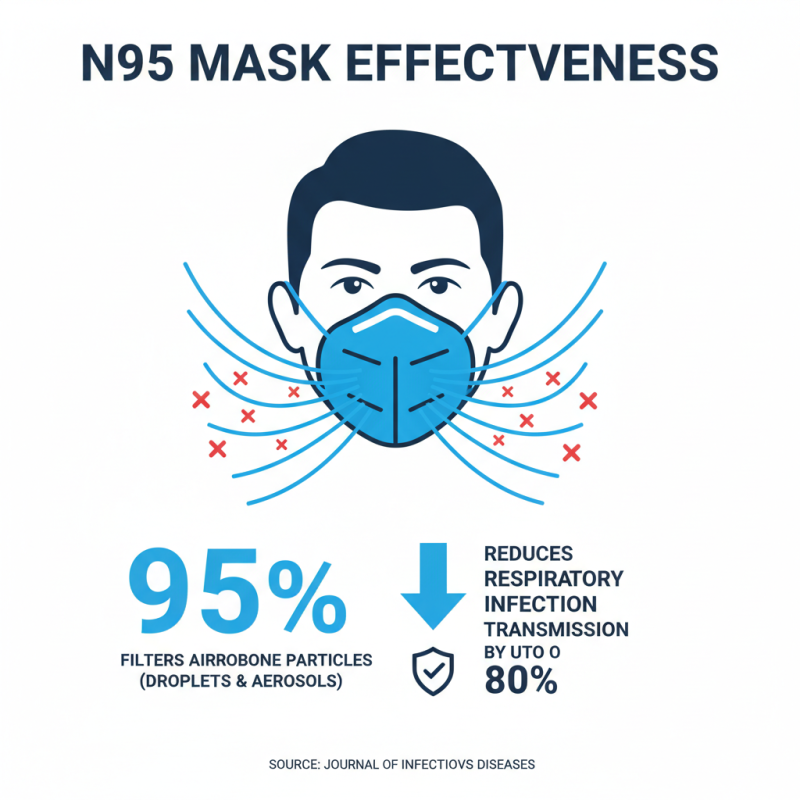
The use of N95 masks in healthcare and community settings has been shown to significantly reduce the transmission of respiratory infections. A systematic review published in the Journal of Infectious Diseases analyzed multiple studies and found that wearing N95 respirators can decrease the risk of respiratory virus transmission by up to 80%. This effectiveness stems from their design, which filters out at least 95% of airborne particles, including large respiratory droplets and smaller aerosols that may carry viruses.
Further research emphasizes that N95 masks not only protect the wearer but also contribute to community health. A study conducted during the COVID-19 pandemic highlighted that areas with higher rates of N95 usage among the populace saw a notable decline in infection rates. Specifically, regions where residents wore N95 masks regularly reported a 50% reduction in confirmed COVID-19 cases. These statistics underscore the critical role of N95 masks in mitigating the spread of respiratory infections, particularly in crowded or high-risk environments. As variants of viruses continue to emerge, the importance of utilizing high-efficiency protective masks like N95s remains paramount in public health strategies.
The Role of N95 Masks in Healthcare Settings: Protecting Patients and Staff
N95 masks play a crucial role in healthcare settings, offering essential protection for both patients and staff. According to the Centers for Disease Control and Prevention (CDC), N95 respirators can filter out at least 95% of airborne particles, including those that may contain viruses and bacteria. This high filtration capability significantly reduces the risk of healthcare-associated infections (HAIs), which affect approximately 1 in 31 hospital patients in the United States, according to a report by the National Institute of Health (NIH). The ability of N95 masks to provide a tight seal around the face ensures a minimal risk of exposure, making them an indispensable part of personal protective equipment (PPE) in hospitals and clinics.
Moreover, the implementation of N95 masks in healthcare settings is vital during outbreaks of airborne diseases. During the 2020 COVID-19 pandemic, the use of N95 respirators was recommended to protect healthcare workers who were on the front line. The World Health Organization (WHO) highlighted that proper use of N95 masks, when combined with other preventive measures, can significantly decrease the transmission of infectious agents. Reports indicate that facilities using proper respiratory protection protocols saw lower rates of infection among healthcare staff compared to those that did not, emphasizing the essential role of these masks in maintaining a safe healthcare environment. By investing in N95 masks, healthcare institutions not only safeguard their workers but also enhance patient safety, creating a more effective healthcare system overall.
Top Benefits of Wearing N95 Masks and How They Protect You
| Benefit |
Description |
Impact on Healthcare |
| High Filtration Efficiency |
N95 masks filter out at least 95% of airborne particles, providing effective protection against pathogens. |
Reduces the risk of healthcare-associated infections among patients and staff. |
| Comfort and Fit |
Designed to mold to the shape of the face, ensuring a snug fit and comfort. |
Increases compliance among healthcare workers to wear masks consistently. |
| Source Control |
Helps to contain respiratory droplets, preventing the spread of infections. |
Protects both patients and healthcare workers by minimizing potential exposure. |
| Wide Usage in Emergencies |
Recommended for use during outbreaks and pandemics to help control the spread of disease. |
Enhances preparedness and response efforts within healthcare facilities. |
| Regulatory Approval |
N95 masks are certified for their effectiveness and safety under regulatory guidelines. |
Confidence in the proper equipment being used by healthcare providers. |
Conclusion
The article "Top Benefits of Wearing N95 Masks and How They Protect You" highlights the critical role of N95 masks in enhancing personal and public health. It elaborates on the high filtration efficiency of N95 masks, which meet stringent standards to effectively filter out airborne particles, including viruses and bacteria. The comparison of N95 masks with regular surgical masks shows a significant difference in protection levels, making N95 masks preferable in high-risk environments.
Furthermore, a review of studies indicates a marked reduction in respiratory infections when N95 masks are used consistently. Their importance is particularly pronounced in healthcare settings, where they safeguard both patients and medical staff from potential airborne pathogens. The article also provides guidelines for the proper usage and fit of N95 masks, ensuring maximum efficacy in protecting against respiratory illnesses.