Choosing the best 3m dust mask is not simply a matter of picking the highest filtration number. Global buyers face different workplace conditions, product standards, facial shapes, climates, and supply channels. A mask that performs well in a dry workshop may feel uncomfortable in humid construction work. Small details matter, including the nose clip, strap tension, folding design, and packaging integrity.
Dr. John Howard, former director of the National Institute for Occupational Safety and Health, has stated, “A respirator is only effective when it is properly selected, fitted, and worn.” That principle guides this comparison. A reliable 3m dust mask should match the hazard, fit the wearer’s face, and carry clear certification information. Buyers should also check whether the product is intended for particles, nuisance dust, or another specific workplace exposure. Terminology can be confusing across markets.
This guide examines practical choices for international purchasers. It considers filtration classes, comfort during long shifts, fit-testing needs, storage, authenticity, and supplier transparency. It also highlights differences between cup-style and flat-fold models. A beard, loose strap, or damaged seal can reduce protection significantly. That fact is easy to overlook.
There is no perfect mask for everyone. Honestly, even a careful comparison cannot replace a workplace risk assessment. Buyers should verify local requirements before ordering large quantities. The best 3m dust mask is the one that fits correctly, suits the task, and can be sourced consistently from a trustworthy channel.
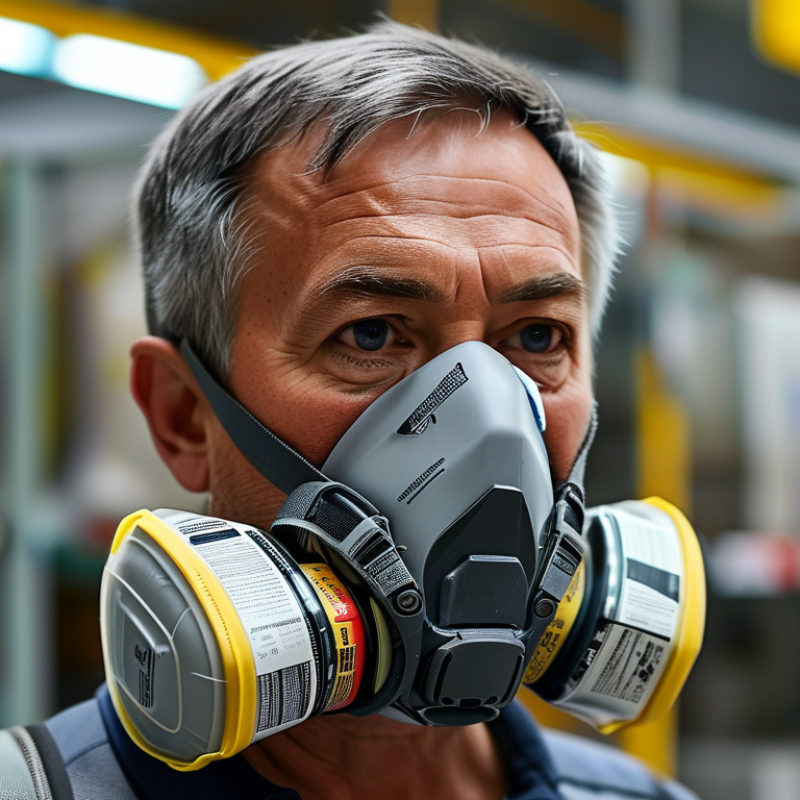
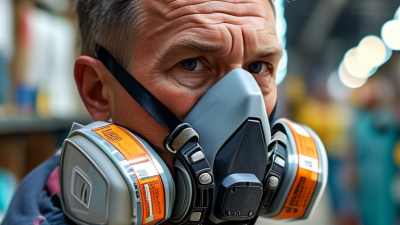
A 3M dust mask, commonly called a particulate respirator, is designed to reduce exposure to airborne particles. These particles may include dust, pollen, mold spores, and some fine workplace debris. It does not remove every hazard. It also does not protect against gases or chemical vapors.
The mask works through a filtering layer made from closely arranged fibers. Many models also use an electrostatic charge to attract tiny particles. Air passes through the material while particles remain trapped. The face seal matters just as much. A small gap near the nose or cheeks can let unfiltered air enter. Fit testing is essential. Facial hair, loose straps, and an incorrect size can weaken protection.
In practical checks, I look for steady breathing and a comfortable seal. The mask should not collapse against the face during normal use. Users should perform a seal check each time they put it on. Damp, dirty, or damaged masks need replacement. Do not wash disposable models. Buyers in different countries should verify the product’s certification, particle rating, size range, and intended use. Markings can vary between markets, so vague packaging deserves caution. I have also found that comfort is often underestimated. A highly rated mask may still fail in daily use if workers remove it frequently. That point is easy to overlook.
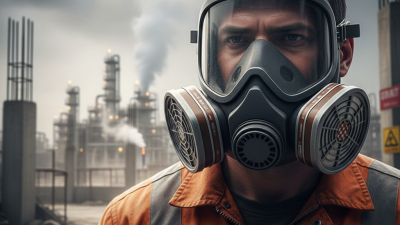
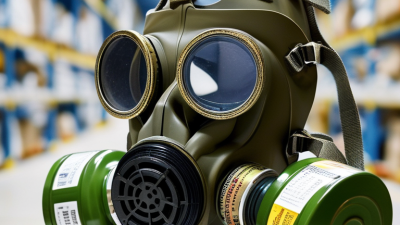
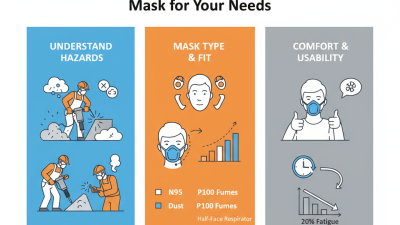
Choosing a dust mask starts with the hazard, not the logo. NIOSH’s Respirator Selection Logic states that filtering facepiece respirators protect against particles, but not gases or vapors. For sanding, drilling, or sweeping dry dust, an N95-type respirator is often suitable when it is properly fitted and certified. Oil-based particles require an oil-resistant class, such as P95 or P100. Very fine particles need stronger filtration, but comfort still affects actual use.
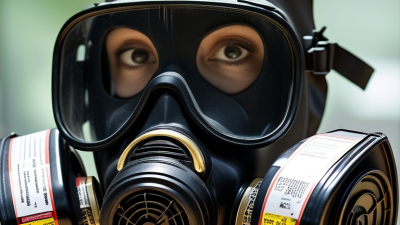
Silica deserves stricter control. The Occupational Safety and Health Administration sets an eight-hour exposure limit of 50 micrograms per cubic meter for respirable crystalline silica. Its Table 1 guidance often specifies fit-tested respirators during concrete cutting and grinding. A half-face elastomeric respirator can provide higher protection with replaceable filters. A full-face model also protects the eyes, which matters around flying chips and abrasive dust. Face shields alone do not filter air.
Fit changes everything. A 2023 National Institute for Occupational Safety and Health workplace study found that facial hair can prevent a reliable seal. Check the seal each time. Replace damaged, dirty, or difficult-to-breathe filters. For solvent vapors, welding fumes, or unknown mixtures, a dust-only respirator is the wrong tool. Regional certification rules also differ, so buyers should verify approval markings and local requirements. I have seen workers choose the highest-rated filter, then remove it because it feels hot. That practical failure deserves more attention.
Global buyers should compare respirators by verified performance, not appearance. NIOSH 42 CFR Part 84 requires approved particulate respirators to pass filtration and breathing-resistance tests. In Europe, EN 149 classifies filtering facepieces as FFP1, FFP2, or FFP3. These labels are not interchangeable. Check the target market’s accepted standard before purchasing. A higher class may improve particle protection, but it can also feel warmer and harder to breathe through.
Fit matters more than many product pages admit. OSHA’s respiratory protection standard requires fit testing before use and at least annually for tight-fitting respirators. Facial hair, glasses, sweat, and repeated strap adjustment can weaken the seal. Choose models with adjustable nose sections, stable headbands, and clear user instructions. During workplace trials, I look for gaps around the nose and cheeks after normal movement. A filter can perform well in a laboratory, yet fail on a moving worker. That difference is easy to miss.
Tips: Request the certificate, approval number, test standard, manufacturing date, and storage guidance. Compare the stated filtration class with measured breathing resistance when available. Check whether the packaging supports your language and climate. Humid warehouses need stronger moisture protection. Do not confuse a nuisance-dust covering with a certified respirator. I have seen buyers select the cheapest option, then replace it quickly because the straps broke. Cost per usable shift is the better calculation.
Minimum particle-filtration requirements vary by respiratory-protection standard. Comparing the certified filtration level is a useful first step, but buyers should also verify fit, certification, breathing resistance, comfort, and intended workplace conditions.
Values shown are published minimum filtration requirements for the listed classes: N95, KN95, and DS2 require at least 95%; FFP2 and P2 require at least 94%. These standards use different test methods and are not automatically interchangeable.
What Is the Best 3M Dust Mask for Global Buyers?
For global buyers, the best dust mask is not chosen by appearance alone. Check the standard required in the country of use. N95 refers to a specific national approval system. FFP2 follows EN 149 requirements, while KN95 follows GB 2626. P2 is used under AS/NZS 1716. These classes are similar, but they are not automatically interchangeable. A familiar label can still be misleading.
Look for the full model number, protection class, manufacturer details, and approval information. In Europe, check the CE marking, notified-body number, and EU Declaration of Conformity. Buyers in other markets should confirm local registration or certification rules. Verify certificates through the issuing authority, not only through a seller’s PDF. Check packaging quality, production dates, and traceability codes. If information conflicts, pause the purchase. This happens more often than people expect.
Tips: Ask for independent test reports and compare them with the exact mask model. Do not accept a certificate covering a different product. Confirm the mask is designed for particles, not gases or vapors. A good seal matters. Facial hair, glasses, and incorrect sizing can reduce protection. Conduct a user seal check every time, and arrange formal fit testing for workplaces. Some guidance is easy to overlook. Yet small details, such as damaged straps or poor storage, can change real-world performance. No certificate can fix an unsuitable fit.
| Respirator Class | Primary Standard or Regulation | Minimum Filtration Performance | Oil Resistance | Certification Evidence Buyers Should Check | Typical Global Use | Important Limitations |
|---|---|---|---|---|---|---|
| N95 | United States, 42 CFR Part 84; approval administered by NIOSH | At least 95% filtration of test particles with a mass median aerodynamic diameter of approximately 0.3 micrometres | Not resistant to oil-based aerosols | Approval number, model designation, “NIOSH,” and the correct approval listing in the official Certified Equipment List | General non-oil dust, mist, and particulate hazards where United States approval is required | Does not protect against gases, vapours, oxygen deficiency, or all oil-containing aerosols; fit testing may be required in occupational use |
| FFP2 | Europe, EN 149:2001+A1:2009 | At least 94% filtration; total inward leakage must not exceed 8% under the standard’s test requirements | No general oil-resistance claim from the FFP2 class alone | CE marking, the four-digit notified-body number, EN 149 reference, FFP2 classification, and EU Declaration of Conformity | A practical choice for buyers requiring European particulate respirator classification | CE marking must be linked to the correct notified-body process; a generic “CE” logo without documentation is insufficient |
| KN95 | China, GB 2626-2019 | At least 95% filtration for the applicable non-oil particulate test | Not designed as an oil-resistant class | GB 2626-2019 marking, KN95 classification, manufacturer information, test report, and a traceable conformity document from a competent laboratory or certification body | Non-oil particulate protection where the Chinese standard is accepted by the importing authority | Do not assume KN95 is automatically equivalent to every N95 requirement; verify the destination market’s legal acceptance |
| P2 | Australia and New Zealand, AS/NZS 1716:2012 | At least 94% filtration for the relevant particulate test | Oil suitability depends on the specific product classification and documentation | Standard marking, product classification, supplier declaration or certification documentation, and test reports traceable to the exact model | Particulate protection for workplaces operating under Australian or New Zealand requirements | Confirm the current regulatory pathway and whether the product is approved for the intended workplace application |
| KF94 | South Korea, Korean Ministry of Food and Drug Safety requirements | At least 94% filtration for the applicable test conditions | Not an oil-resistance designation | Korean approval or authorization details, correct product classification, manufacturer information, and verifiable test documentation | Consumer and workplace particulate protection where Korean requirements or recognition apply | Recognition outside South Korea varies; check the importing country’s product and occupational-safety rules |
| Verification Dimension | What Buyers Should Confirm | Reason It Matters |
|---|---|---|
| Exact model traceability | The model number on the mask, packaging, certificate, test report, and purchase documents must match. | Certificates for a similar or discontinued model do not prove conformity of the supplied product. |
| Current standard edition | Check the standard number and edition accepted in the destination country. | A product may meet an older edition but fail current import or workplace requirements. |
| Independent testing | Request filtration, breathing-resistance, leakage, flammability, and applicable loading test results from a competent laboratory. | A marketing statement alone does not demonstrate compliance with a respirator standard. |
| Regulatory database check | Verify approval numbers, notified-body details, or authorization records through the relevant official authority. | This helps identify counterfeit certificates, invalid approval numbers, and unauthorized marks. |
| Fit and sizing | Review size options, nose-clip design, seal quality, user instructions, and fit-testing requirements. | Filtration efficiency measured in the laboratory cannot compensate for leakage around the face. |
| Intended hazard | Confirm whether the hazard is non-oil particulate, oil-containing aerosol, gas, vapour, bioaerosol, or an oxygen-deficient atmosphere. | Particulate respirators are not general-purpose protection against gases, vapours, or oxygen deficiency. |
| Packaging and shelf life | Check manufacture date, expiry or service-life information, storage conditions, lot number, and tamper evidence. | Improper storage, damaged packaging, or expired components can affect performance and hygiene. |
Choosing the right dust mask for a market requires more than comparing prices. Buyers should identify the workplace hazard, expected exposure time, and local climate. A particulate mask may help control dust, but it does not protect against gases or chemical vapors. That distinction matters.
Fit is often the deciding factor. A mask should seal around the nose, cheeks, and chin without painful pressure. Buyers can test several sizes with workers before placing a large order. Facial hair, glasses, and humid weather may reduce sealing performance. Small details matter. Storage also deserves attention. Heat, sunlight, and moisture can damage packaging or reduce product reliability.
Local requirements must be checked before purchase. Review certification marks, test documents, labeling language, and import rules for the target country. Requirements can differ between construction, manufacturing, agriculture, and healthcare environments. I have seen buyers choose a highly rated mask that workers refused because breathing felt difficult. That was an expensive lesson. Comfort, supply stability, and replacement availability should be assessed together. A cheaper option may create higher costs through frequent replacement or poor worker acceptance. No checklist is perfect. Buyers should keep sample records, ask users for feedback, and revisit the choice when tasks or workplace conditions change.