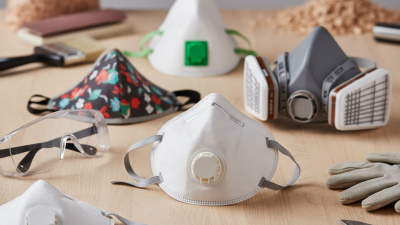
10 Best Construction Masks for Global Buyers?
Choosing a construction mask requires more than comparing prices, ratings, and product photographs. Dust can settle on scaffolding, cling to clothing, and remain suspended after cutting stops. Silica exposure deserves particular attention. The International Labour Organization estimates that 2.93 million workers die annually from work-related factors, while millions more suffer nonfatal injuries and illnesses (ILO, 2023). These figures make respiratory protection a practical purchasing decision, not a simple catalogue choice.
NIOSH explains that N95 respirators filter at least 95% of airborne particles when properly fitted. European FFP2 models follow a different certification system, although both require careful verification. Dr. John Howard, Director of NIOSH, has stated, “Respirators are an important part of a comprehensive respiratory protection program.” That principle matters. A construction mask cannot compensate for poor ventilation, uncontrolled dust, or an incorrect fit.
The following guide examines ten options for global buyers. It considers filtration claims, certification pathways, comfort, communication, replacement needs, and supplier transparency. OSHA’s respirable crystalline silica standard also shows why cutting concrete demands stronger controls than ordinary nuisance-dust protection. Look closely.
Some product listings use impressive language but provide limited test evidence. That weakness should not be ignored. Buyers should request current certificates, model numbers, fit-testing guidance, and manufacturer documentation before placing large orders. A mask that feels comfortable in a warehouse may become hot, loose, or restrictive on a roof. No single ranking can fit every site. That is the part worth reconsidering.
What Makes a Construction Mask Suitable for Global Buyers
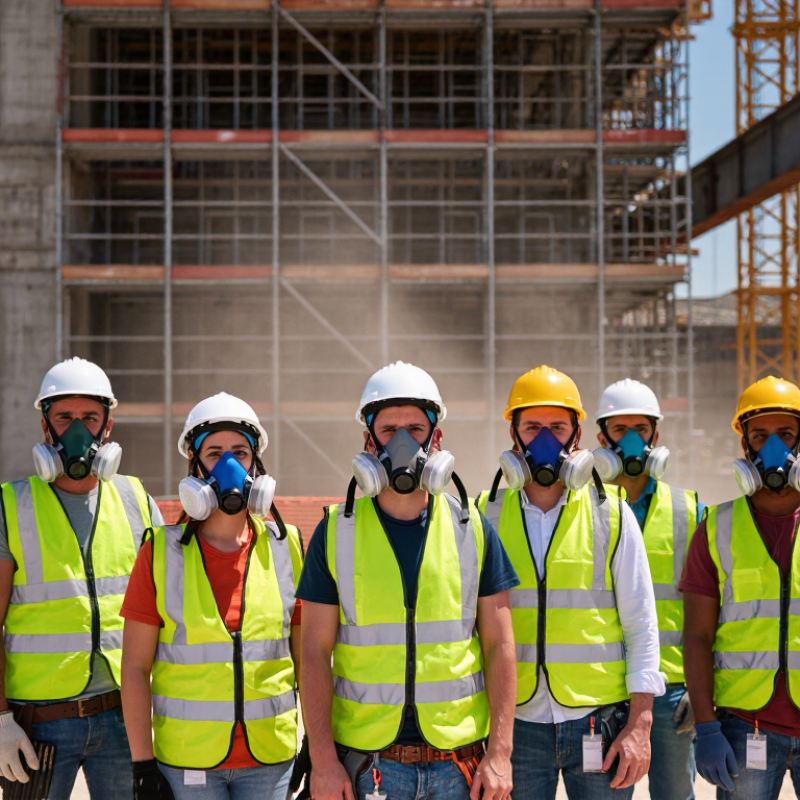
For global buyers, a construction mask must do more than look protective. It should match the specific workplace hazard. Dust, concrete particles, wood fibers, and metal debris may require different protection. A strong filter cannot compensate for a poor facial seal. Buyers should check mask sizes, nose-bridge design, strap tension, and facial-hair limitations. Different face shapes matter. So does climate.
Relevant testing documents are essential. Look for filtration results, breathing resistance, leakage data, production dates, and storage instructions. A vague “high protection” claim proves very little. Standards also vary between markets, and one certification should not automatically be treated as universal approval. Independent laboratory reports and traceable batch information make supplier evaluation more reliable. I would question any document that lacks test methods or laboratory details.
Comfort affects real-world use. In hot, humid sites, an uncomfortable mask may be removed too often. Soft edges, stable straps, clear instructions, and compatibility with safety glasses can improve regular wear. Workers may also need to communicate or climb while wearing it. Packaging should protect the masks from moisture and crushing during international shipping. I have seen buyers focus heavily on price and overlook replacement availability. That decision can create delays later. No mask is perfect. Suitability often depends on small details that product photos fail to show.
10 Best Construction Masks for Global Buyers: What Makes a Construction Mask Suitable?
Comparison of published minimum particle-filtration requirements for widely recognized disposable respirator classes. Higher filtration does not replace proper fit, certification, or protection against gases and vapors.
The values shown are standard minimum filtration requirements: N100 is 99.97%, while the other classes are rounded to their commonly published minimum values. Certification systems use different test methods, so the percentages should not be treated as a complete safety ranking.
Key Mask Types for Dust, Chemicals, and Hazardous Particles
Construction work exposes people to more than visible dust. Concrete cutting can release fine silica particles, while sanding, spraying, or cleaning may create chemical vapors. Disposable particulate respirators can help with nuisance dust and certain tested particles. They do not protect against gases or chemical vapors. A comfortable fit matters. A small facial gap can defeat an otherwise suitable filter.
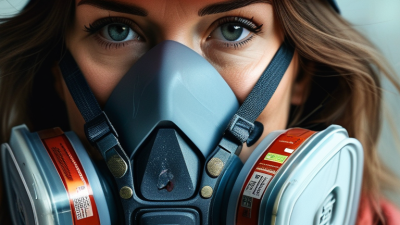
Chemical exposure demands more than a dust filter. Reusable half-mask respirators use replaceable cartridges selected for specific vapors, gases, or combined hazards. Full-face respirators add eye protection and may suit tasks with irritating splashes or dense airborne particles. For unknown concentrations, oxygen-deficient areas, or highly dangerous conditions, ordinary air-purifying masks may be unsuitable. Supplied-air equipment may be required under professional risk assessment.
Global buyers should check certification against the destination market’s applicable requirements. They should also review the safety data sheet, filter markings, service life, and replacement schedule. Fit testing is essential, especially when workers have facial hair or different face shapes. On busy sites, workers often remove masks because of heat, fogging, or breathing resistance. That practical problem deserves attention. A mask that looks correct may still leak during movement. Training, seal checks, storage, and timely filter changes improve reliability. Even experienced teams can overlook cartridge saturation, so purchasing decisions should involve a qualified safety professional rather than price alone.
Top Construction Masks Compared by Protection, Comfort, and Fit
10 Best Construction Masks for Global Buyers?
The best construction masks balance protection, comfort, and fit rather than appearance. OSHA’s respirable crystalline silica standard sets an eight-hour permissible exposure limit of 50 micrograms per cubic meter. It also identifies 25 micrograms as the action level. This matters around concrete cutting, drilling, and masonry dust.
NIOSH guidance recommends selecting approved respirators based on the hazard and exposure level. A basic particulate respirator may suit nuisance dust. Higher-risk silica work may require a more protective, fit-tested design. Chemical vapors need different filters. One mask cannot solve every site problem.
Comfort affects real protection. Workers often adjust loose straps, remove hot respirators, or tolerate pressure near the nose. Those small actions create leaks. Compare ten suitable options by filtration class, breathing resistance, seal quality, strap stability, and visibility.
Reusable half-mask designs can provide a stable seal, while full-face models add eye protection. Powered options may reduce breathing effort, but batteries, cleaning, and training add practical burdens. Fit testing remains essential. Facial hair, eyewear, sweat, and movement can change performance. A comfortable mask is not automatically a safe mask.
Tips:
Check the approval marking and filter type before purchase. Perform a user seal check every time. Replace damaged, dirty, or difficult-to-breathe filters. Test fit with actual helmets and safety glasses. Local requirements differ, so confirm the rules where the work occurs. A small trial on a dusty shift can reveal problems that product tables miss.
International Safety Standards and Certification Requirements
Choosing among the 10 best construction masks requires more than comparing filtration percentages. Global buyers should match each mask to the target market’s safety rules and workplace risks. For example, EN 149 applies to filtering half masks in many European markets, while NIOSH approval supports certain respirators sold in the United States. Australia and New Zealand may follow AS/NZS 1716. China uses GB 2626 for several respiratory protective products. Requirements can differ by mask type, dust level, and intended use.
Check the approval number, certification scope, test date, and manufacturer’s declaration. Request laboratory reports for particle filtration, breathing resistance, leakage, and flammability when relevant. A genuine certificate should identify the exact model, not only a product family. Importers may also need local labeling, instructions, traceability records, and conformity documents. Small details matter. A missing warning label can delay customs clearance or confuse workers on site.
Fit is equally important. A certified mask can still fail when facial hair, glasses, or an incorrect size creates gaps. I have seen workers adjust straps repeatedly because comfort was treated as an afterthought. That weakness deserves honest review. Buyers should arrange fit testing, inspect sample packaging, and verify supply consistency before placing large orders. Standards are useful, but they do not replace practical checks, trained supervision, or a clear understanding of the construction environment.