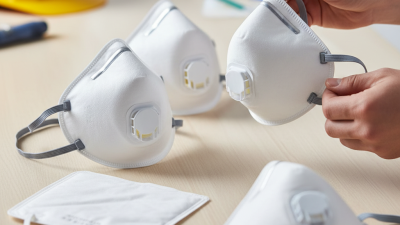
What is the Best FFP2 Mask for Global Buyers?
In the quest for health and safety, the FFP2 mask plays a crucial role in protecting users from airborne particles. Recognized for their effectiveness, these masks provide a reliable barrier against harmful aerosols, making them a preferred choice for many. As global buyers navigate their options, understanding different characteristics of the FFP2 mask becomes essential.
The market offers a variety of FFP2 masks, yet not all are created equal. Some brands may skimp on materials, compromising safety and comfort. Buyers should be vigilant about quality certifications and user reviews. High filtration efficiency and a snug fit are paramount. However, the wide range of options can lead to confusion. It’s important to evaluate each product carefully and consider personal needs.
Emphasizing personal experiences can help demystify the selection process. Sharing insights from users can highlight what works and what doesn't. Each buyer’s situation may require different features, whether it’s for daily use or specific environments. Evaluating these personal stories can enrich the overall understanding of the FFP2 mask landscape. This collective wisdom is what makes navigating the market both challenging and insightful.
What Are FFP2 Masks and Their Importance in Health Protection?
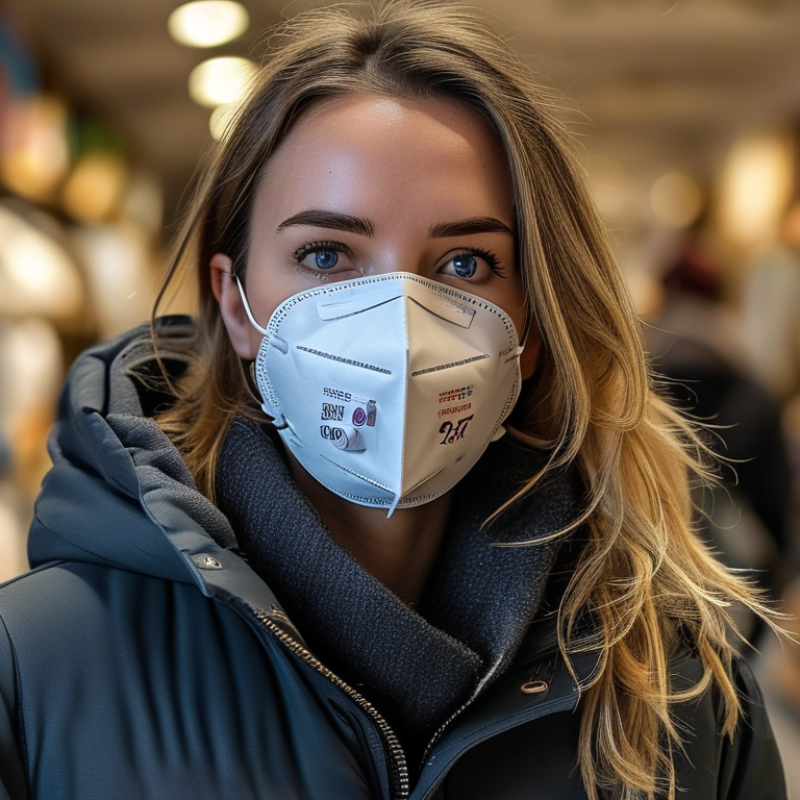
FFP2 masks are vital in safeguarding health, particularly during global health crises. These masks filter out at least 94% of airborne particles. They effectively protect against aerosols and droplets, which are common in respiratory infections. The importance of proper mask-wearing cannot be overstated. It’s essential to ensure a snug fit for maximum protection.
Although FFP2 masks offer significant benefits, one must consider their limitations. Prolonged use can lead to discomfort and difficulty in breathing. Users might find it challenging to communicate effectively while wearing them. It’s crucial to assess individual needs and environments when deciding on mask usage.
In many cases, people may underestimate how quickly particles can spread. This can lead to inadequate precautions being taken. Regularly updating information on mask efficacy is important. Knowledge can empower consumers to make informed choices. Engaging with reliable sources about mask materials and certifications is also beneficial. Ensuring that masks meet safety standards helps enhance community health protection.
Key Features and Standards to Look for in FFP2 Masks
When choosing an FFP2 mask, understanding the key features and standards is crucial. These masks are designed to provide a reliable barrier against airborne particles. A high level of filtration is essential. Look for masks that can filter at least 94% of particles. This is the minimum standard for FFP2 classification. Comfort is another important aspect. Masks should fit snugly without compromising breathing ease. A well-fitting mask reduces the risk of leakage.
Material plays a significant role in mask effectiveness. The outer layer should repel moisture and contaminants. The inner layer must be soft to ensure comfort against the skin. Ensure the mask has adjustable ear loops or a nose bridge for a more secure fit. This reduces discomfort during extended wear. Some masks even offer a valve feature. While beneficial for breathability, they may reduce overall protection. It’s worth considering your environment before choosing a style.
In the end, buyers must balance protection and comfort. Different scenarios may require different types of masks. Reflecting on personal needs is vital when making a decision. Awareness of these details helps ensure that the chosen FFP2 mask meets individual safety requirements.
What is the Best FFP2 Mask for Global Buyers? - Key Features and Standards to Look for in FFP2 Masks
| Feature |
Standard |
Importance |
Notes |
| Filtration Efficiency |
≥ 94% |
High |
Essential for blocking particles |
| Breathability |
> 70 Pa/cm² |
Medium |
Allows comfortable prolonged use |
| Fit Testing |
Required |
High |
Ensures proper seal around face |
| Comfort Features |
Adjustable Straps, Nose Clip |
Medium |
Enhances wearability |
| Certification |
EN 149:2001+A1:2009 |
High |
Legal standard for respiratory protection |
| Material |
Nonwoven Fabric |
High |
Durable and effective filtration |
Top Brands and Models of FFP2 Masks for Global Buyers
When selecting an FFP2 mask, it's essential to focus on trusted brands. Many options on the market vary in design and filtration capability. Look for models with adjustable ear loops for a better fit. A comfortable mask encourages longer wear. Filters are crucial; ensure the mask has high filtration efficiency. Quality materials matter as well.
Some masks may feel stiff. This can impact comfort, especially during extended use. Consider alternatives with softer fabrics. Breathability is another factor to assess. You want a mask that protects but doesn’t restrict airflow. A good fit minimizes air leaks around the edges.
Read reviews from other users to gauge performance. Some masks may claim high ratings, yet fail to deliver in practice. It’s vital to strike a balance between protection and comfort. Choosing the right FFP2 mask can make a significant difference. Aim for a product that feels secure and easy to wear. Test different types to discover the best match for your needs.
Comparative Analysis: Pricing and Performance of FFP2 Masks
When selecting an FFP2 mask, performance and pricing are key. Proper filtration efficiency is crucial. Look for masks that filter at least 94% of particles. Good fit adds to effectiveness. Masks should have adjustable nose clips and ear straps for comfort. Consider the material as well. Soft, breathable fabrics enhance wearability while maintaining protection.
Pricing varies widely among FFP2 masks. A higher price does not always indicate better quality. It's essential to research before purchasing. Some masks might be marketed as premium yet lack essential certifications. Reading user reviews can offer insights into comfort and breathability. Pricing transparency is vital, as some vendors may inflate costs unjustly.
Despite the importance of these features, not all masks perform equally. Some may be labeled as FFP2 yet fail to meet required standards. It's wise to watch for updates in regulations around mask production. Consumers must remain vigilant about efficacy claims. Discrepancies in reported performance should raise caution. Making informed choices can help ensure safety and value.
User Reviews and Ratings: Insights from Global Consumers on FFP2 Masks
Consumer feedback plays a vital role in selecting the right FFP2 mask. Many users highlight comfort as a major factor. Some masks fit snugly, while others can feel restrictive. It's essential to find a balance between filtration and comfort. Reviews indicate that masks with adjustable straps tend to be favored. This feature allows for a more customized fit.
Another featured aspect is breathability. Several consumers express frustration with masks that restrict airflow, especially during prolonged wear. Many mention feeling overheated after an extended period. Masks made with lighter materials often receive praise. However, the effectiveness of these materials should always be considered.
Users also comment on the durability of masks. Some masks lose effectiveness after washing, while others maintain their protective qualities. This has led to mixed feedback on reusable options. Consumers often wish for clearer guidelines on proper use and maintenance. This lack of clarity can lead to confusion. Overall, it is clear that user experience shapes the market for FFP2 masks significantly.
What is the Best FFP2 Mask for Global Buyers?
This chart presents user ratings for various FFP2 masks based on insights from global consumers. The ratings reflect overall satisfaction and performance, highlighting the best options available.