[wpml_language_selector_widget]

How to Choose a P100 Mask in 2026

Choosing a p100 mask in 2026 starts with a simple question: what particles are present, and how will the respirator be used? NIOSH classifies P100 filters as oil-proof and requires at least 99.97% filtration efficiency under its certification test conditions. That is a demanding benchmark. It is not a promise that every mask blocks every workplace hazard.

The CDC and NIOSH publication Respirator Trusted-Source Information explains how to identify certified respirators and check their approval markings. Look for the complete NIOSH approval number, not just a bold “P100” printed on the package. A filter rating also does not protect against gases or vapors. For those hazards, the correct respirator depends on the substance and the manufacturer’s instructions. Small details matter: a loose nose bridge, worn strap, or facial hair across the seal can undermine protection. OSHA’s respiratory-protection guidance emphasizes medical evaluation, fit testing, and a written program where required. The filter is only one part of the system.

That sounds straightforward. It isn’t always. A mask that fits one person may leak on another, and comfort can change during a long shift. This guide compares filter type, facepiece style, fit, markings, and maintenance, using NIOSH and OSHA guidance as reference points. It also flags what product claims cannot establish on their own. Before buying, match the respirator to the hazard assessment and check its approval status. A good choice is specific, verified, and wearable—not merely the highest-rated option on a shelf.
How to Choose a P100 Mask in 2026

Understand What a P100 Rating Protects Against

How to Choose a P100 Mask in 2026

A P100 rating describes particle filtration, not complete protection from every airborne hazard. Under standardized testing, a P100 filter captures at least 99.97% of airborne particles. That includes many dusts, fumes, mists, and biological particles. It does not mean the respirator removes gases or vapors. If a task involves solvents or other chemicals, a P100-only filter may be the wrong choice. Read the filter label and hazard information carefully. A high rating cannot make an unsuitable respirator safe.

Fit matters just as much as the filter. Air can leak around the face seal, especially with facial hair or the wrong size. A snug fit and a user seal check help, but they do not replace professional fit testing where required. P100 respirators also do not supply oxygen. Do not use one in an oxygen-deficient or unknown atmosphere. It is easy to focus on the filter number and overlook these limits. That distinction matters.

Tips: Choose a compatible facepiece, check its approval markings and instructions, and inspect the seal before each use. Replace damaged or clogged filters as directed. If you are unsure what the hazard is, pause and ask a qualified safety professional. I would not guess based on dustiness alone.
Assess Your Hazards and Intended Use

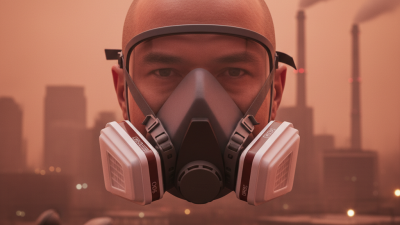
Choosing a P100 mask starts with identifying what is in the air. Is the task producing fine dust, smoke, or another particulate aerosol? NIOSH classifies P100 filters as oil-proof and tests them to filter at least 99.97% of airborne particles under certification conditions (42 CFR Part 84). That figure describes filter performance, not protection in every real-world situation. Not enough by itself. A P100 filter does not remove gases or vapors, and it cannot make oxygen-deficient air safe. A dusty workshop, for example, may also contain solvent vapors from nearby cleaning.

Match the respirator to the exposure, task duration, and workplace controls. For work involving hazardous dust, review exposure measurements or a qualified industrial hygienist’s assessment rather than guessing from visible dust. OSHA’s respiratory-protection standard assigns a half-mask respirator an assigned protection factor of 10 when used within a compliant program (29 CFR 1910.134). That rating depends on proper selection, fit testing, training, and maintenance. Fit matters. Check whether the mask seals comfortably around your nose and cheeks; facial hair under the sealing surface can interfere. I would also reconsider the choice if the job changes, the mask fogs safety glasses, or breathing feels unusually difficult. A good filter is only one part of the protection plan.

How to Choose a P100 Mask in 2026 — Assess Your Hazards and Intended Use

Assessment factor What to establish P100 guidance Practical next step
Type of hazard Identify whether the airborne hazard is a particle, a gas or vapor, or a combination. A P100 filter is for airborne particles. It does not, by itself, remove gases or vapors. Check the product label, safety data sheet, or workplace hazard assessment. Select a respirator and filter or cartridge approved for the identified hazard.
Particle concentration and risk Determine the substance, likely concentration, duration of exposure, and applicable exposure limits. NIOSH’s P100 classification means the filter is oil-proof and has a minimum 99.97% efficiency against the specified test particles. This rating alone does not establish that a respirator is suitable for every exposure. Use a qualified safety professional for hazardous, unknown, or high-concentration exposures. Confirm that the complete respirator is approved for the intended use.
Oil-containing aerosols Check whether oil mist or another oil-containing particulate aerosol may be present. P100 filters are classified as oil-proof. The filter and respirator still must be used within the manufacturer’s instructions and the applicable respiratory-protection program. Verify the approval and service instructions for the exact respirator-and-filter combination.
Gas or vapor exposure Identify each chemical and its concentration; consider whether particles are also present. A P100 particulate filter does not protect against chemical gases or vapors. Some approved configurations combine a particulate filter with a chemical cartridge, but the cartridge must match the hazard. Have cartridge selection and replacement timing determined from the hazard assessment and manufacturer instructions. Do not rely on odor as a change schedule.
Oxygen level and unknown atmospheres Determine whether oxygen may be insufficient or the atmosphere may be immediately dangerous to life or health. Air-purifying P100 respirators do not supply oxygen and are not suitable for oxygen-deficient or unknown, immediately dangerous atmospheres. Do not enter such an atmosphere with a P100 respirator. These conditions require specialized procedures and equipment used by trained personnel.
Facepiece fit Consider face shape, eyewear, other personal protective equipment, and facial hair at the sealing surface. A tight-fitting respirator must seal properly to provide its intended protection. Facial hair that crosses the seal can interfere with fit. Choose a compatible facepiece size and style. In workplace programs, complete the required medical evaluation and fit test, and perform a user seal check each time it is worn.
Intended task and wear time Assess task movement, heat, humidity, communication needs, and how long the respirator will be worn. A P100 filter rating does not determine comfort, fit, or suitability for a particular task. A respirator that is difficult to wear correctly may not provide dependable protection. Evaluate the complete respirator during the task, while maintaining the required protection and program controls.
Regulated or especially hazardous particles Check whether the work involves substances such as asbestos, lead, or respirable crystalline silica. A P100 rating does not replace substance-specific rules, exposure controls, or required work practices. Follow applicable regulations and a documented respiratory-protection program. Obtain qualified guidance before selecting equipment or starting the work.
Inspection and replacement Check for damage, contamination, poor condition, or increased breathing resistance. Filter service life varies with conditions and use; the P100 rating does not give a universal replacement interval. Inspect and replace filters or the respirator according to the manufacturer’s instructions and the respiratory-protection program.
Approval and compatibility Confirm the approval applies to the complete respirator configuration, including facepiece, filter, and any cartridge. Mixing components that are not approved for one another can invalidate the intended configuration. Use only components listed as compatible in the respirator’s approval and instructions.

Key point: P100 describes filter performance for particles; it is not a guarantee of protection from every hazard. Selection depends on the exposure assessment, an approved complete respirator, proper fit, and correct use.

Compare Respirator Styles, Sizes, and Comfort

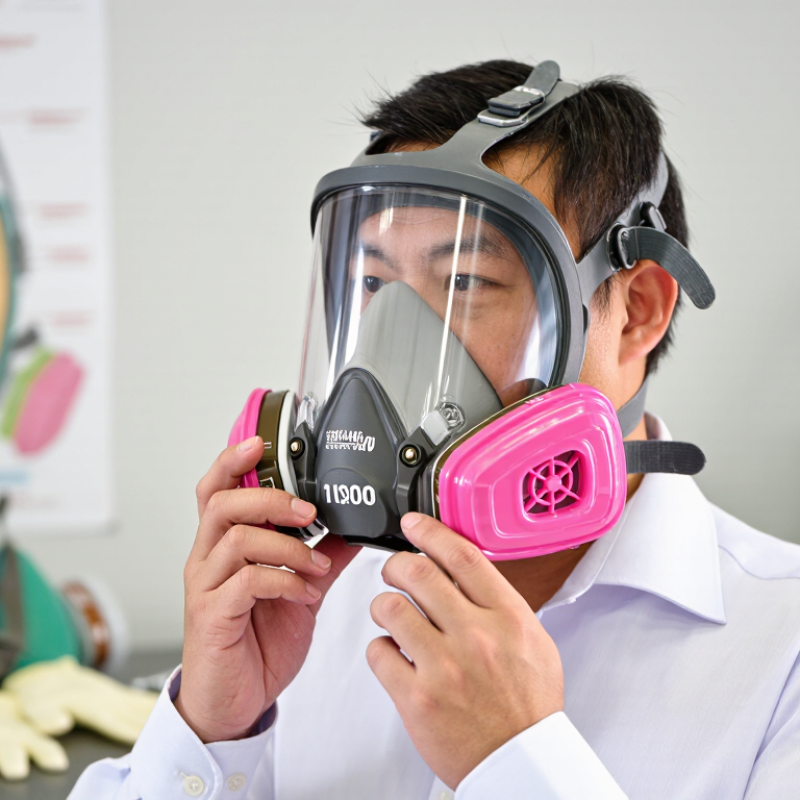
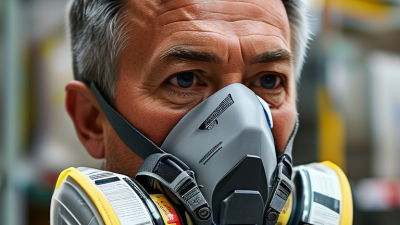
Choosing a P100 respirator means comparing how each style fits your task and face. A reusable half-mask covers the nose and mouth, with replaceable P100 filters. It leaves your eyes uncovered and may feel lighter than a full-face respirator. A full-face style also protects the eyes, but its weight and enclosed feel can bother some users. Neither style is automatically comfortable. Try the straps and adjusters before committing.

Size matters as much as style. Face shape varies, so a “medium” may not seal well on every person. If possible, try different sizes and follow the respirator maker’s fit-testing instructions. A user seal check before each use can catch obvious leaks, but it does not replace fit testing. Facial hair where the sealing edge rests can interfere with the fit. So can glasses, a pinching nose bridge, or straps that press behind the ears. Small details count. P100 filters capture at least 99.97% of tested airborne particles when used as intended, but they do not remove gases or vapors. I would not pick a respirator by filter rating alone; heat and pressure points can make a technically suitable mask hard to wear consistently.

How to Choose a P100 Mask in 2026

Compare NIOSH particulate-filter classes by their minimum filtration efficiency.

A P100 filter has a NIOSH-rated minimum filtration efficiency of 99.97% for airborne particles and is oil-proof under the P-series classification. Actual protection depends on choosing a compatible respirator, the right size, and a proper fit. Comfort varies by wearer and respirator style; follow the manufacturer’s sizing guidance and complete a fit test when required.

Verify NIOSH Approval and Filter Compatibility

How to Choose a P100 Mask in 2026

A P100 label alone does not confirm that a filter fits your respirator. NIOSH’s 42 CFR Part 84 standard sets P100 particulate-filter efficiency at 99.97% or higher under test conditions. Check the exact respirator and filter models in NIOSH’s Certified Equipment List. Approval applies to a tested configuration, not every part that looks compatible. Small detail. Match the model numbers and follow the manufacturer’s approved-component instructions.

A particulate filter also does not protect against gases or vapors.

Fit matters just as much. OSHA’s Respiratory Protection Standard, 29 CFR 1910.134, requires fit testing before initial use and at least annually for tight-fitting respirators. It also requires a user seal check each time the respirator is put on. A passing filter rating cannot fix a poor face seal.

Check for facial hair, damaged straps, and a warped sealing surface before use. I would not treat the 99.97% figure as a personal guarantee; it describes filter performance under specified test conditions. That distinction is easy to overlook. Verify the approval, compatibility, and fit for your specific use.

Check Fit, Maintenance, and Replacement Needs

A P100 respirator works only when it seals closely to your face. Choose a model that sits comfortably without gaps around your nose, cheeks, or chin. Adjust the straps evenly, then perform the seal check described in the manufacturer’s instructions each time you put it on. Check the seal. Facial hair where the respirator touches your skin can interfere with fit. For workplace use, a qualified fit test can help confirm that the selected model and size suit you.

Maintenance affects both comfort and protection. Inspect the facepiece, valves, and straps for cracks, warping, or loose connections. Clean reusable parts as directed, and let them dry fully before storage. Keep the respirator in a clean, dry place, away from dust and direct sunlight. It is easy to overlook a stretched strap or a valve that no longer lies flat; a quick visual check may not catch every problem.

Replace filters when breathing becomes noticeably harder, or when they are damaged, wet, or contaminated, following the manufacturer’s guidance. A filter that looks clean is not automatically usable, and a calendar alone may not tell the whole story. Track when filters are installed and what conditions they face. The right schedule can be inconvenient to maintain. Still, guessing is a poor substitute for checking the instructions and the respirator’s condition.