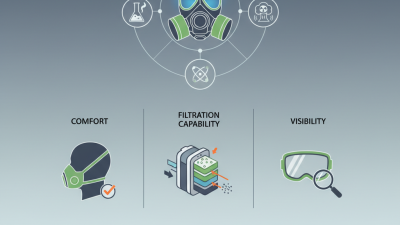
How to Choose a CBRN Mask for Safety in 2026?
Choosing a cbrn mask in 2026 requires more than comparing prices or filter labels. A reliable decision begins with a clear hazard assessment, professional guidance, and an honest understanding of the mask’s limits. Chemical, biological, radiological, and nuclear hazards can behave differently. One product cannot protect against every threat.
Look for verified certifications, transparent manufacturer data, and compatibility with approved filters or breathing systems. Check the seal carefully. Facial hair, glasses, sweat, and movement can weaken protection. A mask that feels secure in a shop may leak during stairs, heat, or long periods of wear. Fit testing matters.
Small details matter.
Practical experience also reveals problems that product pages often hide. Can the wearer communicate clearly? Does the visor fog after several minutes? Are replacement filters available from a trustworthy source? Can the mask be cleaned without damaging its materials? These questions support a safer, more realistic choice.
Independent testing and guidance from recognized occupational-safety authorities should outweigh dramatic marketing claims. Users should also follow workplace procedures, emergency instructions, and professional training. A mask is only one part of respiratory protection. It does not replace evacuation, ventilation, medical advice, or risk control.
Even a careful checklist can miss something. Conditions change, and human error remains possible. Therefore, choosing the right cbrn mask should be treated as an ongoing safety process, not a one-time purchase. Regular inspection, documented training, and timely replacement help turn protective equipment into dependable protection.
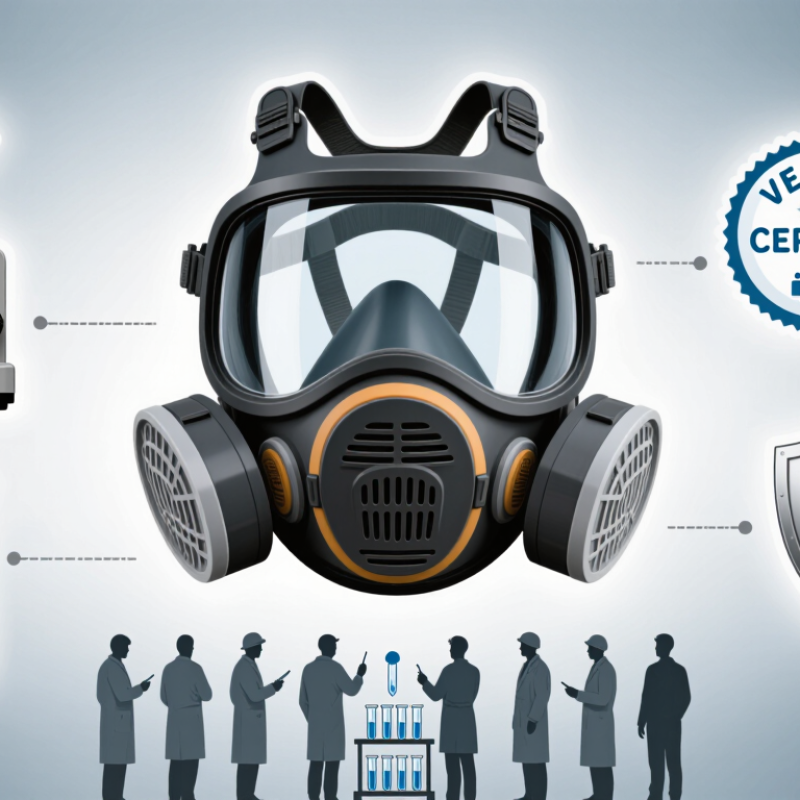
Identify the CBRN Threats and Required Protection Level
Choosing a CBRN mask starts with identifying the threat, not selecting the most expensive model. Chemical hazards may involve toxic vapors, gases, or aerosols. Biological hazards usually require protection from airborne particles. Radiological events can produce radioactive dust, while nuclear incidents may add heat, blast, and severe contamination. Oxygen-deficient environments require supplied air, not a standard filtering mask.
Protection levels must match the exposure scenario. NIOSH guidance separates air-purifying respirators from powered and supplied-air systems. Air-purifying models cannot generate oxygen. They also offer limited protection against unknown concentrations. OSHA’s Respiratory Protection Standard, 29 CFR 1910.134, requires medical evaluation, fit testing before use, and at least annual fit testing. A poor seal can make certified filtration nearly irrelevant. Facial hair matters.
Check the approval label, cartridge compatibility, service life, and change-out schedule. NIOSH’s CBRN approval program evaluates resistance to selected chemical agents and performance conditions; it does not certify every possible hazard. The 2024 edition of NFPA 1994 also distinguishes protective ensembles by hazard and exposure level. That distinction is easy to overlook. I would avoid relying on a generic “CBRN” claim without technical documentation. Training records, storage temperature, battery condition, and realistic drills often reveal weaknesses that product sheets hide. The uncomfortable truth is simple: a mask chosen without exposure data is only an assumption.
Compare Mask Types, Standards, and Certification Requirements
Choosing a CBRN mask in 2026 requires more than comparing filter labels or online photographs. Start with the mask type: an air-purifying respirator depends on cartridges and breathable air, while a powered model uses a battery and airflow. Neither should be treated as safe in oxygen-deficient environments. A supplied-air system may be necessary for professional response work.
Standards reveal how a mask was tested. In the United States, check approval under 42 CFR Part 84 and confirm whether the complete configuration has CBRN approval. In Europe, examine relevant EN requirements for full-face respirators and gas or combination filters, such as EN 136 and EN 14387. National rules can differ. A familiar standard is not automatically a complete certification.
Look for an approval number, scope of protection, test documentation, production traceability, and clearly stated service life. Certification should cover the facepiece, filter, valves, and accessories used together. Fit testing matters. A mask that leaks around the cheeks is not dependable, even with a certified filter. I have found that people often overlook spectacles, facial hair, and storage heat. Small details become serious weaknesses. Check expiry dates and replacement intervals. Read the certificate, not only the product description. Independent occupational-safety advice can help when workplace hazards are uncertain.
Select Filters, Cartridges, and Breathing-System Features
How to Choose a CBRN Mask for Safety in 2026?
Filter and cartridge selection should follow the hazard, concentration, oxygen level, and exposure time. Never choose by mask appearance alone. NIOSH certification applies to the complete approved configuration, not random cartridge combinations. A chemical cartridge may not protect against particles, while a particulate filter cannot remove gases or vapors. For unknown concentrations or oxygen-deficient areas, air-purifying respirators are unsuitable. Positive-pressure SCBA or supplied-air systems require trained emergency teams.
Breathing-system design matters as much as filtration. OSHA’s Assigned Protection Factor table lists 50 for a properly fitted full-facepiece air-purifying respirator. It lists up to 10,000 for certain pressure-demand SCBA systems under a complete respiratory program. These figures are limits, not promises. Fit testing, seal checks, airflow, eye protection, and communication equipment still influence real protection. NIOSH guidance also stresses approved cartridges, change schedules, and service-life information. A higher rating does not fix poor maintenance.
Tips: Check the NIOSH approval label and exact cartridge code. Inspect seals before every use. Replace damaged valves immediately. Store cartridges sealed and away from heat. Keep a written change-out schedule. Do not rely on smell; odor breakthrough can occur too late. In drills, users often discover fogging, heavy breathing, or speech problems. That practical feedback matters. I would also question any plan that ignores comfort, because uncomfortable equipment is often worn incorrectly. References: OSHA Respiratory Protection Standard, 29 CFR 1910.134; NIOSH Respirator Selection and CBRN guidance.
Plan Procurement, Maintenance, Training, and Replacement Cycles
Choosing a CBRN mask in 2026 is not only a product decision. It is a lifecycle plan. Start with a documented hazard assessment, workplace conditions, and expected wear time. A qualified respiratory-protection professional should confirm the required protection level. Select equipment with current, verifiable certification and clear user instructions. Fit testing matters because facial hair, eyewear, and weight changes can break the seal. Do not rely on a quick visual check.
Procurement records should show the model, size, certification, lot number, expiry date, and assigned user. Keep reserve units available for damaged or contaminated equipment. Store masks in a cool, dry, clean cabinet, away from sunlight, chemicals, and crushing pressure. During maintenance, inspect straps, valves, seals, lenses, and connectors. Follow the manufacturer’s instructions for cleaning and approved replacement parts. Never improvise components.
Training should cover donning, seal checks, communication, movement, and safe removal. Keep it practical. Run supervised drills with gloves, protective clothing, and limited visibility when appropriate. Record each participant’s result and corrective action. Replacement cycles need calendar dates and condition checks. Replace expired filters, damaged parts, and degraded seals promptly. Even unused equipment can age. A spreadsheet may look complete while users still hesitate under stress. That weakness deserves attention, not concealment. Review the plan after drills, incidents, staffing changes, or new hazards. Annual training alone may be insufficient when skills fade between sessions.
How to Choose a CBRN Mask for Safety in 2026
A practical 12-month planning model for procurement, maintenance, training, fit testing, and replacement control.
The model assumes daily operational readiness, one formal inspection each month, and annual fit testing. OSHA 29 CFR 1910.134 requires fit testing before initial use and at least annually thereafter, while users must perform a user seal check every time the respirator is donned. CBRN canister replacement does not have one universal calendar interval; follow the approved configuration, documented change schedule, service-life information, contamination controls, and the condition of the equipment.