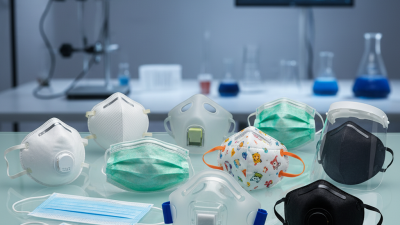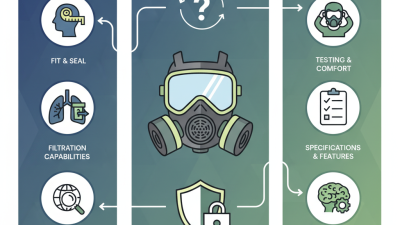
Choosing a medical face mask in 2026 is not just a matter of picking a color or the lowest price. The right choice depends on where you will wear it, how long it must stay comfortable, and whether it fits your face securely. A mask that slips when you speak may leave gaps around the nose or cheeks. Small details count.
A useful principle comes from aerosol scientist Dr. Linsey Marr, whose public guidance emphasizes considering fit alongside filtration. In other words, check both—not just the claims printed on the box. Look for clear information about the mask’s intended use, construction, and applicable quality standards. Examine the nose bridge, ear loops or ties, and packaging. If possible, try the mask before relying on it for a long shift or crowded commute. A snug fit should not mean painful pressure.
This guide explains how to compare medical face mask options, read product details, and spot practical differences between designs. It also considers breathability, skin comfort, storage, and when another type of face covering may be more appropriate. No single mask suits every face or setting. That is worth remembering. Product labels can be confusing, and fit is hard to judge from a photo; even careful shoppers may need to try more than one option. Use the sections ahead as a grounded checklist, not a promise of perfect protection.

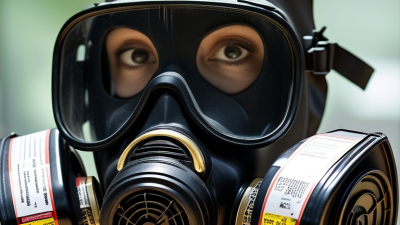
A medical mask and a NIOSH-approved respirator serve different purposes.
A medical mask helps contain droplets and provides a barrier against splashes, but it does not seal tightly around the face. For routine source control or low-splash tasks, it may be appropriate when workplace guidance allows. Check that it covers your nose, mouth, and chin, and replace it when wet or damaged. Fit matters, even here.
Choose a respirator when the task involves airborne particles or a higher exposure risk. NIOSH states that certified N95 respirators filter at least 95% of airborne particles under its test conditions; that figure does not guarantee the same protection on every face.
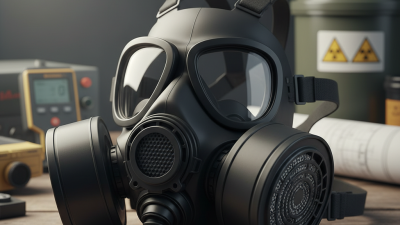
A tight seal is essential. OSHA’s respiratory-protection standard calls for fit testing before use and at least annually for tight-fitting respirators. The CDC’s guidance also distinguishes respirators, which are designed to protect the wearer from inhaled particles, from medical masks.
The choice is not always tidy. Facial hair, movement, heat, and long shifts can affect fit and comfort. Review the hazard assessment and facility policy, and seek trained guidance if the seal feels loose.

When choosing a medical face mask, check its ASTM F2100 fluid-resistance level. The rating shows how well the mask resists synthetic blood under pressure. Level 1 withstands 80 mmHg, Level 2 withstands 120 mmHg, and Level 3 withstands 160 mmHg. Higher resistance can offer stronger protection during procedures involving splashes or sprays.
Choose 80 mmHg for routine care with limited fluid exposure. Consider 120 mmHg when droplets or moderate splashes are possible. Use 160 mmHg for higher-pressure fluid risks, such as certain surgical procedures. The highest level is not automatically the best choice. It may feel warmer or less comfortable during long shifts. Comfort still matters.
Look beyond the number. Check bacterial filtration, sub-micron particle filtration, differential pressure, and flame resistance. A mask should also fit closely around the nose and cheeks. Gaps can reduce practical protection, even when the test rating looks impressive. Replace a mask when it becomes damp, damaged, or difficult to breathe through.
A useful workplace check is simple: review the procedure, estimate fluid exposure, and match the resistance level. Do not rely on appearance alone. Ratings can be misunderstood. Always verify the product documentation and current clinical requirements before use.
When choosing a medical face mask in 2026, check its filtration figures, not just words like “medical grade.” As a useful benchmark, Level 1 masks should show BFE and PFE of at least 95%. Levels 2 and 3 should reach at least 98% for both. BFE measures bacterial filtration; PFE measures particle filtration under a specified laboratory method. Numbers matter.
95%
Level 1 masks should show BFE and PFE of at least 95%.
98%
Levels 2 and 3 should reach at least 98% for both.
Read the label carefully. It should identify the performance level and the standard used for testing. Methods and test conditions can differ, so percentages are most useful when they come from the same standard. If a package lists BFE but leaves out PFE, or gives no test details, you have less information for comparison. A neat-looking box is not proof.
Filtration is only part of protection. Check that the mask covers your nose and chin, and that its edges sit close to your face without obvious gaps. A high test result cannot compensate for a poor fit. Packaging can be confusing, and I would not treat one percentage as a complete answer. Look for clear, consistent test information, then consider comfort and fit for the time you will wear it.
When choosing a medical face mask in 2026, check the ASTM F2100 test evidence, not just a prominent level printed on the package. Look for the standard’s edition, performance level, and test results for bacterial filtration, submicron particle filtration, differential pressure, fluid resistance, and flammability. Ask for a report linked to the exact product model. A generic certificate may not cover the mask in your hand.
Read the label closely. It should identify the intended medical use, manufacturer, model, and lot number, with clear instructions and warnings. Match those details against the test report and packaging. If the documents use different model names, pause and ask the seller or manufacturer to explain. Small discrepancies matter. So does a missing lot number.
Check regulatory status separately, using the relevant health authority’s public resources for your country. ASTM performance testing does not, by itself, prove that a product is authorized or registered for medical sale. Status can change, and requirements differ by market. Keep a copy of the label and report when comparing options; it is easy to overlook a detail when buying quickly. I would not treat polished packaging as evidence. A clear, verifiable paper trail is more useful.
A medical face mask should cover your nose, mouth, and chin without sliding when you speak or turn your head. Shape the nose strip gently, then check for obvious gaps beside your nose and cheeks. Fit matters. A disposable medical mask is not designed to seal like a respirator, so a close fit cannot guarantee complete protection. Try it on before a long day. Glasses fogging, ear-loop pressure, or fabric brushing your lips are useful clues that the fit may need adjustment.
Breathability and comfort depend on both the mask and how long you wear it. Take a slow breath. If breathing feels unusually difficult, or the mask becomes damp, dirty, or damaged, replace it according to its instructions. For a full shift, consider carrying a clean spare and following your workplace or clinician’s guidance on changing masks and taking breaks. A softer ear loop may feel better, but comfort should not come at the cost of coverage. Small checks help. I still find it easy to underestimate how tiring a mask can feel after several hours, so test the style during ordinary activity before relying on it for extended wear.
How to use this chart: It compares ASTM F2100 minimum filtration-efficiency requirements; it does not measure fit, breathability, or comfort. Choose a mask that fits securely and feels comfortable for the intended wear time. A loose fit can reduce protection, and filtration ratings alone do not guarantee an effective face seal.