How to Choose the Best Nuclear Gas Mask for Safety?
When considering safety in today's world, a nuclear gas mask is essential. In the face of potential nuclear threats, ensuring personal protection is critical. Many people may question which mask best suits their needs. The market offers various types, each with distinct features, making the choice daunting.
Selecting the right nuclear gas mask requires an understanding of specific factors. It's important to look for certifications that prove the mask meets safety standards. Many masks come with filters designed to protect against radioactive particles. However, not all filters are created equal. Researching the filtration capabilities can provide clarity on what to expect.
Investing in a quality nuclear gas mask is a proactive measure. Each user's comfort and fit are also paramount. A mask that doesn’t seal properly can jeopardize safety. Therefore, personal testing and adjustments are necessary. It’s wise to consult experts or read reviews for insights on performance. Ultimately, choosing a nuclear gas mask is not just about the product; it’s about ensuring peace of mind in uncertain times.
Understanding the Importance of Nuclear Gas Masks for Safety
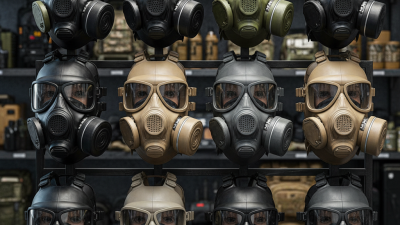
Nuclear gas masks play a crucial role in ensuring safety during potential nuclear incidents. These masks are designed to filter out harmful particles and gases. In an emergency, having the right equipment can make a significant difference. Wearing a nuclear gas mask can help protect against radioactive substances that may be present in the air.
Understanding the features of a good nuclear gas mask is essential. Look for high filtration capability and a comfortable fit. Masks should have durable materials that withstand harsh environments. However, some masks may not be suitable for everyone. An ill-fitting mask can compromise safety. This is why proper sizing and testing are vital.
Even with the best preparations, unforeseen situations can arise. It is important to regularly evaluate your chosen gas mask. Training on how to use it effectively can enhance safety. Having a reliable nuclear gas mask is vital. Still, it should be part of a broader safety strategy that includes proper emergency planning.
How to Choose the Best Nuclear Gas Mask for Safety?
| Mask Type |
Protection Level |
Weight (grams) |
Filter Lifespan (hours) |
Comfort Level |
| Full-Face Mask |
High |
700 |
20 |
High |
| Half-Face Mask |
Medium |
400 |
15 |
Medium |
| P3 Respirator |
Medium |
300 |
10 |
Low |
| Military Grade |
Very High |
800 |
30 |
Very High |
Key Features to Look for in a Nuclear Gas Mask
When selecting a nuclear gas mask, it’s crucial to consider key features that ensure safety and effectiveness. The mask's filtration system is paramount. According to a report by the National Institute for Occupational Safety and Health (NIOSH), filters must be capable of removing radioactive particles and toxic gases. A high-efficiency particulate air (HEPA) filter can capture 99.97% of particles, which is vital in nuclear scenarios.
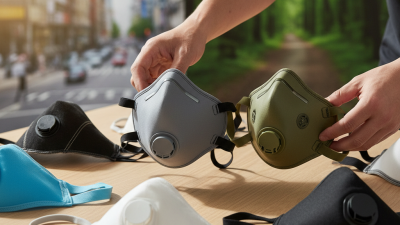
Another essential aspect is the mask's fit and comfort. A well-fitting gas mask can significantly reduce exposure risks. Data indicates that improper fitting can compromise the mask’s effectiveness. Users must ensure a proper seal around the face. Additionally, the weight of the mask should not hinder movement, allowing for extended wear during emergency situations.
Durability and materials also play a critical role. Masks constructed from high-grade materials withstand harsh environments. Reports show that masks made from silicone tend to offer better flexibility and longevity compared to those made from other materials. Lastly, it's beneficial to consider accessories, such as decontamination wipes or respirators, to enhance overall safety. These small yet significant factors can vastly improve preparedness in nuclear emergency situations.
Key Features to Look for in a Nuclear Gas Mask
Types of Filters and Their Role in Nuclear Protection
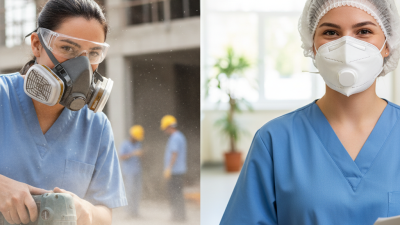
When choosing a nuclear gas mask, understanding the types of filters is crucial. Filters are the first line of defense against harmful particles and gases. Different filters offer various levels of protection. Some filters are designed to remove radioactive particles. Others focus on gases that can be released during a nuclear event.
Activated charcoal filters are popular for their ability to adsorb harmful organic vapors. These filters trap contaminants and ensure cleaner air. However, they have a limited lifespan. Regular inspection and timely replacement are essential for continued safety. A test for filter integrity is important. Without testing, you might expose yourself to danger unknowingly.
Tips: Always check the rated lifespan of filters. Consider having spare ones on hand. Proper storage is vital to maintain their effectiveness long-term. It's also wise to stay updated on advancements in filter technology. Staying informed can significantly enhance your preparedness. Remember, a mask is only as reliable as the filter you choose.
How to Ensure a Proper Fit for Maximum Protection
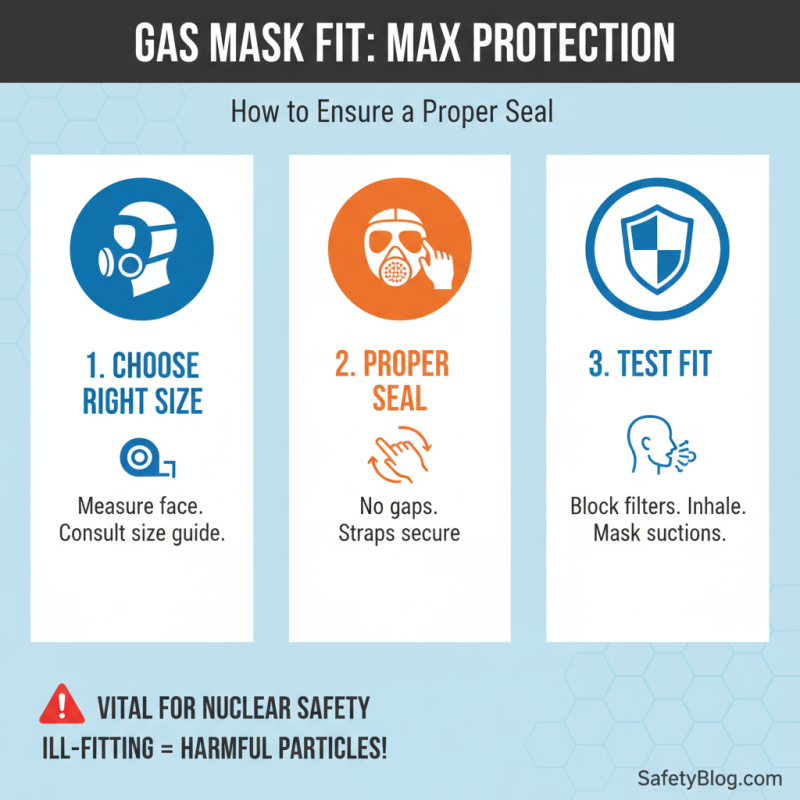
Choosing the right gas mask is vital for safety in nuclear situations. A proper fit is essential for maximum protection. An ill-fitting mask can let harmful particles enter, compromising your safety.
To ensure a proper fit, start by measuring your face. Use a tape measure to record the distance from the bridge of your nose to your chin. Also, measure around the widest part of your head. Compare these measurements with the size guide provided by the mask manufacturer.
Before relying on your mask, conduct a fit test. Put on the mask and seal it against your face. Inhale sharply; the mask should collapse inward. If you feel air leaks, adjust the straps or try a different size. Remember, a mask that feels comfortable might not offer adequate protection if it doesn’t fit well.
Tips for maintaining your mask are crucial. Clean it regularly with mild soap and water. Store it in a cool, dry place. Check the filter regularly; replace it if it’s discolored or damaged. Periodic checks can prevent future surprises. It’s easy to overlook these details but crucial for safety.
Maintenance and Storage Tips for Nuclear Gas Masks
Proper maintenance and storage of
nuclear gas masks
are crucial for their effectiveness. According to the CDC, masks must be stored in a
cool, dry place to prevent degradation.
Humidity can weaken the mask materials, leading to potential failure.
Regular inspection is necessary; check for cracks or signs of wear.
A study from the National Institute for Occupational Safety and Health (NIOSH) emphasizes that
degraded masks may not provide adequate protection, increasing risks during emergency situations.
Cleaning protocols are essential. In accordance with guidelines, masks should be cleaned regularly using
approved substances. Avoid harsh chemicals that may damage the filter or rubber components.
Filters may have a limited shelf life, so monitoring expiration dates is critical.
The U.S. Army research suggests replacing filters every five years, even if they appear unused.
This ensures optimal functionality and safety during a crisis.
Storing masks in their original packaging helps protect them from contaminants. Grouping masks by family
or individual users can help maintain accountability and readiness. Consider using plastic bins for organized
storage. Review the storage environment regularly to ensure optimal conditions.
Although maintaining nuclear gas masks may seem straightforward,
neglecting these details can lead to significant safety concerns. Every detail matters in preparedness.