How to Choose the Right Safety Mask for Your Needs?
Choosing the right safety mask is crucial for protecting yourself in various environments. Thousands of studies highlight the importance of proper respiratory protection. According to the CDC, effective masks can filter out up to 95% of airborne particles. This is significant in reducing the risk of inhaling harmful substances.
Safety masks come in various types, including N95 respirators and cloth masks. Each type serves different purposes. For example, N95s are designed for healthcare settings, while cloth masks are suitable for everyday use. The World Health Organization emphasizes that the right choice depends on your specific needs.
However, not all masks fit well or offer adequate protection. It’s vital to consider the mask’s material, fit, and intended use. Inadequate masks can create a false sense of security. Gathering data on effectiveness and comfort is essential. Selecting the right safety mask can significantly impact your health and safety. Making an informed choice shouldn’t be rushed.
Understanding Different Types of Safety Masks Available in the Market
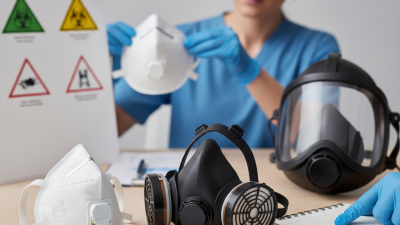
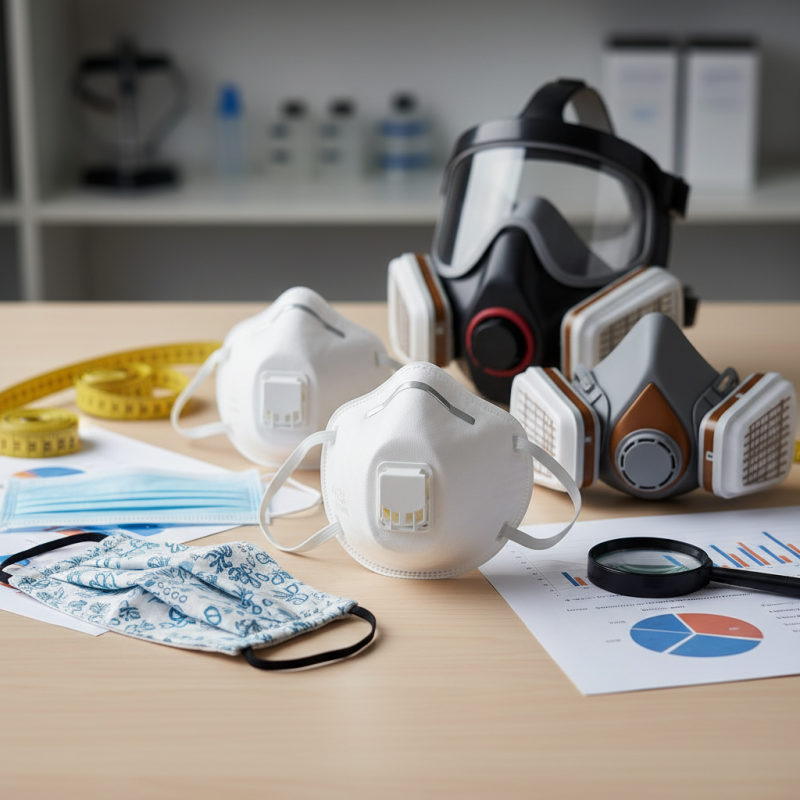
When selecting a safety mask, understanding the various types available is crucial. Respirators filter harmful particles, offering protection in hazardous environments. These are often used in industrial settings. They come in different shapes and sizes, ensuring a proper fit for maximum efficiency.
Surgical masks are designed for medical environments. They protect against large droplets but are not as effective against smaller airborne particles. They are lightweight and disposable, making them convenient for short-term use. On the other hand, cloth masks, although less protective, can serve as a basic barrier for everyday situations.
Each type of mask has its specific purpose and limitations. It's essential to assess your environment and the level of risk involved. Choosing the right mask isn’t always straightforward; many people overlook fit and comfort. A mask that feels good doesn’t always provide adequate protection. Reflecting on your specific needs is vital for the best outcome.
Identifying Your Specific Needs and Risks for Mask Selection
Choosing the right safety mask begins with assessing your specific needs and risks. Understand the environment where the mask will be used. Are you in a dusty construction site or a healthcare setting? Each situation demands different protection levels. Think about factors like air quality and exposure to particles. A mask that works for one scenario may not provide adequate protection in another.
Next, identify the type of hazards you face. Are you dealing with airborne contaminants, fumes, or biological agents? This clarity can guide you to the appropriate mask type. Consider the fit and comfort as well. A mask that feels tight may not be worn for long periods. Reflect on your daily activities and how the mask will fit into them. The right one should protect while allowing you to breathe comfortably.
Sometimes, looks can influence choice, but safety should come first. A trendy mask might not guard you effectively. Always consult reliable resources or professionals who understand safety standards. Regular evaluations of your mask choice are also vital. Health needs change, and your protection should adapt. This continuous assessment helps ensure that your mask performance remains effective in protecting your health.
Evaluating Mask Fit and Comfort for Extended Use
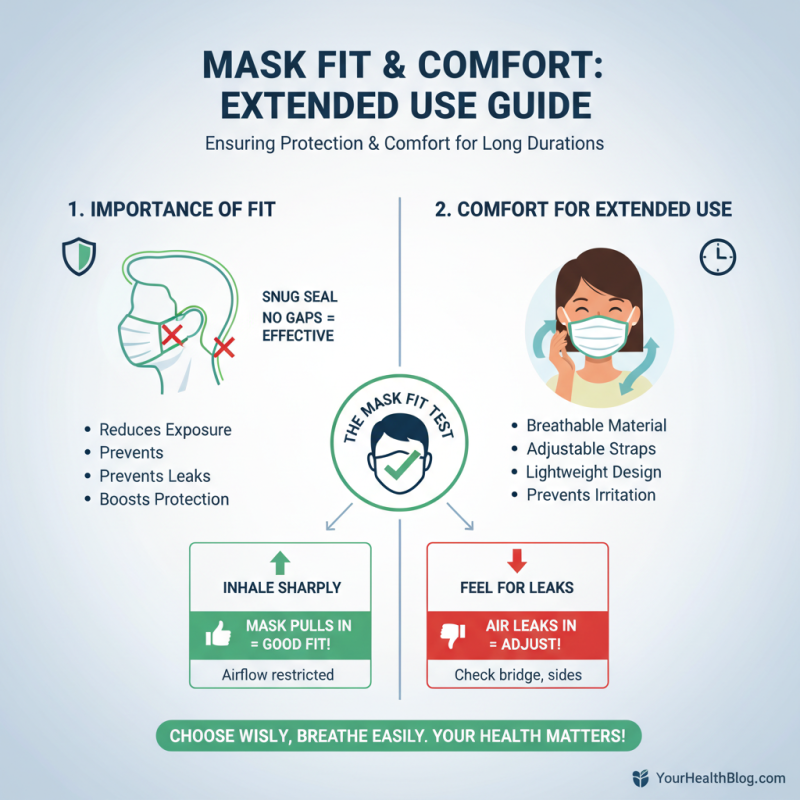
Choosing the right safety mask is crucial, but it's essential to focus on fit and comfort, especially for extended use. A well-fitting mask should create a snug seal around your face. Gaps can reduce effectiveness. To test the fit, perform a simple check: inhale sharply. If the mask pulls in, it fits well. If air leaks in from the sides, adjustments are needed.
Comfort plays a significant role in mask compliance. Look for features that enhance wearability, such as adjustable straps and breathable materials. Consider your intended use. Long hours in a mask can cause irritation. Regularly check for signs of discomfort. Red marks on the skin can indicate pressure points. Listen to your body; it will guide you to the best choice.
Remember that perfect comfort may not always be achievable. Some masks prioritize protection over comfort. You might find your ideal balance after trying various styles. Keep this in mind. Assess your needs and be open to experimenting with different options. It’s a process of trial and error. Finding the right mask can significantly impact your day-to-day activities.
Assessing Filter Efficiency and Ratings of Safety Masks
When selecting a safety mask, filter efficiency is crucial. Masks come with various ratings, such as N95, FFP2, or P100. These ratings indicate how effective the mask is at filtering out airborne particles. N95 masks filter at least 95% of very small particles, while P100 masks filter 99.97%. However, understanding these ratings can be confusing.
The fit of the mask also matters. A mask that doesn't seal properly won't provide adequate protection. Tight-fitting masks enhance filtration effectiveness, but comfort is vital for extended use. A poorly fitting mask may lead to discomfort, causing users to adjust it frequently. This can inadvertently expose them to harmful particles.
Not all tasks require the highest-rated mask. Assess your specific needs before choosing. Sometimes, a lower rating may suffice for less hazardous environments. However, always err on the side of caution. Masks with higher filter efficiencies may seem excessive, but in certain situations, they can be lifesaving. Consider your work environment and the types of hazards present, rather than just following the crowd. Prioritize your safety and make an informed choice.
Filter Efficiency of Different Types of Safety Masks
Maintaining and Caring for Your Safety Mask for Longevity
Maintaining your safety mask is crucial for ensuring its longevity and effectiveness. Regular cleaning is essential. Depending on the type, some masks can be machine washed, while others require hand washing. Always follow the manufacturer’s guidelines for best results. Neglecting to clean your mask can lead to the buildup of bacteria and reduce its protective capabilities over time.
Tips: After washing, allow your mask to air dry completely. Storing it in a dry, cool place reduces the risk of mold growth. Avoid folding your mask in a way that compromises its structure.
Replace any components that show wear. Straps can stretch, and filters can become clogged. If you notice any signs of damage, it’s best to replace those parts promptly. A compromised mask could fail to protect you as intended.
Tips: Keep an eye on any visible signs of wear and tear. Consult with a professional if you're unsure about whether your mask is still effective. Regular inspection should be a part of your mask maintenance routine to ensure you stay protected.