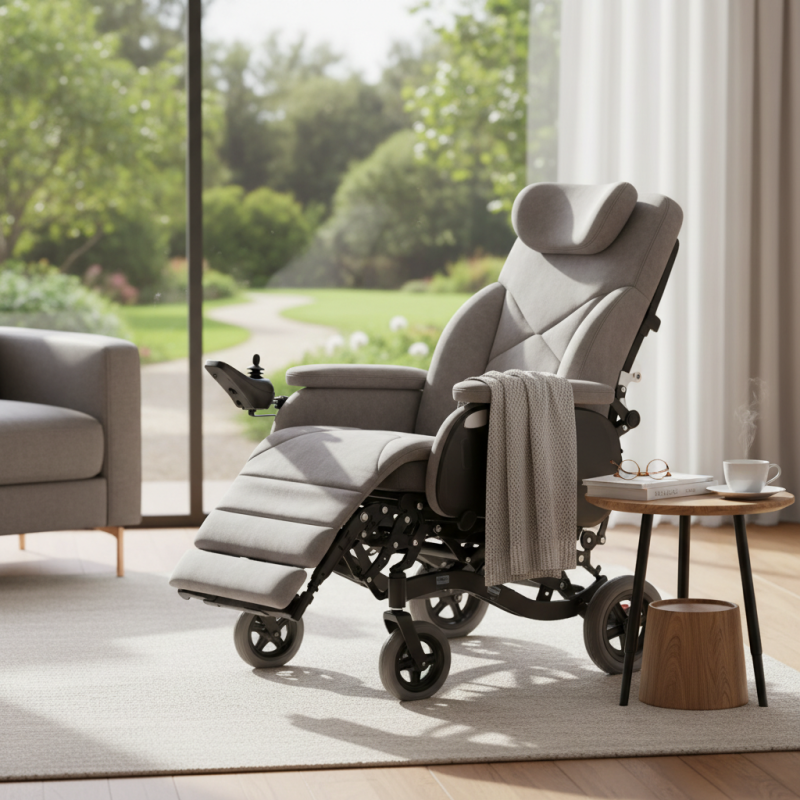
How to Choose the Best Reclining Wheelchair for Your Needs?
Choosing the best Reclining Wheelchair can be overwhelming. Experts like Dr. James Hudson emphasize, "Comfort should never be an afterthought." Reclining wheelchairs offer essential support for individuals needing rest and comfort.
Many factors come into play when selecting a reclining wheelchair. Body type, weight capacity, and the extent of reclining ability are key considerations. It’s important to find a design that fits your specific needs. A well-fitted wheelchair can prevent discomfort and health issues.
However, not all products on the market meet quality standards. Users often find themselves dissatisfied with their choices. Understanding your unique requirements is crucial. Reflecting on personal experiences can guide better decision-making in this area. Evaluating options carefully can lead to greater satisfaction and comfort.
Understanding the Various Types of Reclining Wheelchairs Available
When choosing a reclining wheelchair, it's essential to understand the types available. There are standard and lightweight models. Standard reclining wheelchairs often offer more support and features. They cater to users needing extensive support and comfort. Lightweight models are easier to transport, making them ideal for active users who need flexibility.
According to industry reports, 30% of users prefer standard models for added stability. However, these models can be heavier and more cumbersome. In contrast, lightweight options are gaining popularity. They typically weigh between 30 to 50 pounds. This can be beneficial for caregivers who need to lift or transport the wheelchair frequently.
Important features include adjustable reclining angles and footrests. The ability to adjust enhances comfort and accessibility. Statistics show that 40% of users experience enhanced comfort with customizable options. Still, some users find adjustment mechanisms complicated. It’s crucial to weigh how these features impact daily life. A thorough evaluation of needs can lead to better long-term satisfaction with the choice made.
How to Choose the Best Reclining Wheelchair for Your Needs?
| Type | Weight Capacity | Recline Angle | Seat Width | Special Features |
| Manual Reclining Wheelchair | 250 lbs | 90° to 180° | 18 inches | Affordable, Lightweight |
| Power Reclining Wheelchair | 300 lbs | 90° to 180° | 20 inches | Electric Adjustment, Comfort Features |
| Transport Wheelchair with Recline | 350 lbs | 100° to 160° | 16 inches | Compact, Foldable |
| Heavy Duty Reclining Wheelchair | 400 lbs | 90° to 180° | 22 inches | Sturdy, Durable Design |
| Reclining Wheelchair with Elevating Leg Rests | 300 lbs | 90° to 180° | 18 inches | Leg Support, Versatile Use |
Key Features to Look for in a Reclining Wheelchair
When selecting a reclining wheelchair, focus on essential features that enhance comfort and usability. Look for adjustable backrests, as these can reduce pressure sores and improve circulation. Research indicates that proper positioning can prevent complications, which is crucial for long-term wheelchair users. The ability to recline fully or at various angles can significantly increase user satisfaction.
Comfort is key. Cushioned seats are essential for prolonged use. A quality seat cushion can reduce pain levels by up to 40%. Verify the material for durability and ease of cleaning. User experience often reveals that easier maintenance leads to more frequent use.
Tip: Consider weight capacity and user height. Each wheelchair has specific limits, which can affect safety and comfort. Safety features like anti-tippers or footrests are also important. Always consult healthcare professionals when making a choice. Don’t overlook the importance of testing out different options; what looks good on paper may not fit all individual needs.
Assessing Individual Needs and Preferences for Wheelchair Use
Choosing the right reclining wheelchair involves evaluating individual needs and preferences. Comfort is crucial for users who spend extended periods in their chairs. Consideration should be given to how the seat feels and the materials used. Some may prefer softer cushions, while others value firm support. Adjustability in recline positions can enhance comfort and relaxation during use.
Users may also have unique mobility requirements. Some individuals need a wheelchair that allows for easy transitions between sitting and lying down. Others might have specific health conditions that necessitate particular features. It’s important to think about how often the wheelchair will be used outdoors or indoors. In addition, storage options may vary based on lifestyle and living space.
Finally, consulting with healthcare professionals can provide valuable insights. They can help identify specific features that might benefit the user. A user may want a model with enhanced safety features or improved usability. Reflection on which features are non-negotiable versus those that are nice to have will streamline the decision-making process. It can be tough to balance preferences and practical needs, but thorough consideration leads to better choices.
Evaluating the Comfort and Support of Reclining Wheelchairs
When selecting a reclining wheelchair, comfort and support are paramount. The seat should offer ample cushioning. Users spend significant time in their wheelchairs. A soft, supportive seat can reduce pressure sores. Look for adjustable footrests. They help accommodate different leg lengths. Proper leg positioning uplifts comfort and reduces strain.
The backrest is another essential element. It should recline smoothly without jarring movements. Some designs allow multiple angle adjustments. This lets users find their ideal position. Inadequate support can lead to discomfort over time. Pay attention to the lumbar support as well. It should maintain the natural curve of the spine.
Test the wheelchair before commitment. How does it feel during longer periods? A short trial may not reveal all issues. Watch for discomfort in key areas. The choice might require fine-tuning after use. Not every model fits every user perfectly. Regular assessments can enhance the comfort experience.
Considering Budget and Warranty Options for Your Purchase
When choosing a reclining wheelchair, budget and warranty options are crucial. A tight budget can limit your choices, but many affordable options exist. It's essential to explore features that matter most to you. Prioritize comfort, adjustability, and ease of use. Inexpensive models may lack some advanced features. Consider if they meet your needs adequately. Sometimes, spending a little more could save money in the long run.
Warranties play a significant role in your purchase. Look for products that offer solid warranty coverage. A longer warranty often suggests a manufacturer’s confidence in their product. Check what the warranty covers. Parts and labor? Or just parts? Understanding this can help you avoid unexpected costs down the line. Don’t hesitate to ask questions about warranty details. A thoughtful decision now can prevent future frustrations.
In the end, balancing your budget with quality options can be tricky. You might be tempted to cut corners. Reflect on what features will genuinely enhance your experience. Take your time assessing choices, as this will benefit you greatly in the future.