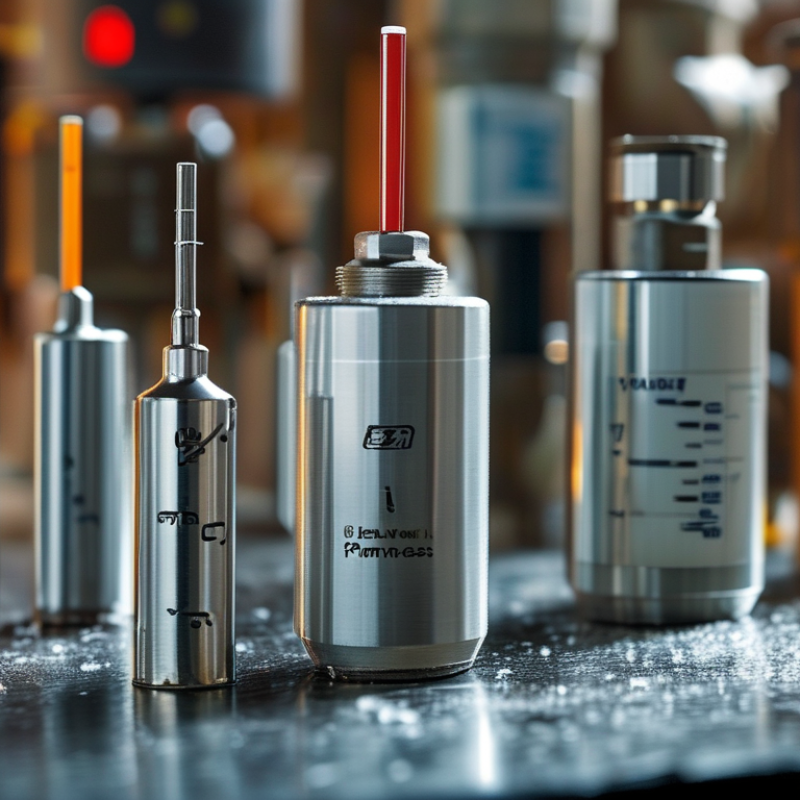
How to Choose the Best Temperature Sensor for Your Needs?
Selecting the right Temperature Sensor is crucial for various applications. Whether in industrial settings, home automation, or scientific research, the proper sensor ensures accuracy and reliability. With many options available, understanding their features becomes essential.
Temperature Sensors vary significantly in design and function. Some are analog, while others are digital, each suited for specific needs. For instance, thermocouples are great for extreme temperatures, while thermistors offer precision in a narrower range. Evaluating your requirements helps in making informed choices.
It's important to consider factors such as response time, temperature range, and environmental conditions. A sensor that works well in one setting may not perform in another. Balancing cost and performance is often a challenge. Reflecting on your unique needs will lead to the best Temperature Sensor decision.
Understanding the Basics of Temperature Sensors
When choosing a temperature sensor, understanding its basics is crucial. Temperature sensors come in various types, including thermocouples, thermistors, and infrared sensors. Each type serves different applications. For instance, thermocouples are excellent for high-temperature environments, while thermistors are great for precise readings at moderate temperatures.
Accuracy is vital. Some sensors may provide quick readings but lack precision. Consider the environment too. Sensors may perform poorly in extreme conditions. The placement of the sensor affects its performance. It's essential to place it where it can measure accurately without interference.
Evaluate the sensor’s response time. A slower response may not suit your needs in dynamic environments. Many users overlook this detail. Sometimes, the most popular sensor isn't the best one for your application. Research and understand your requirements. Taking the time to match the sensor to your specific needs can make a significant difference in your outcomes.
Types of Temperature Sensors: Pros and Cons
When selecting a temperature sensor, understanding the types available and their respective advantages and disadvantages is crucial. There are several common types: thermocouples, RTDs, thermistors, and infrared sensors. Each type has its unique characteristics, suited for different applications.
Thermocouples, for example, are popular due to their wide temperature range and fast response times. However, they may not be as accurate as other types, with typical errors around ±1 to ±2 degrees Celsius. This can pose challenges in precision applications.
Meanwhile, RTDs offer greater accuracy and stability. They usually deliver an error margin of only ±0.1 degrees Celsius. Yet, their higher cost and slower response times might be drawbacks for some users.
Thermistors are known for their sensitivity. They can provide quick and precise readings, ideal for applications in home automation. However, they have a limited temperature range compared to thermocouples.
Infrared sensors bring a non-contact method of measurement. They can effectively measure temperature from a distance, yet are influenced by environmental factors, making calibration essential. Understanding these details helps in making informed decisions about which sensor best fits specific needs.
Key Factors to Consider When Choosing a Temperature Sensor
When selecting a temperature sensor, several key factors come into play. The accuracy of the sensor is paramount. Look for sensors that offer precision within the required temperature range. Too much variance can lead to unreliable data and affect performance.
Next, consider the environmental conditions where the sensor will be used. Is it exposed to moisture, dust, or extreme temperatures? Choose sensors rated for these conditions. Some sensors may not perform well under certain conditions, leading to failures over time.
Response time is another significant factor. In applications where temperature changes rapidly, a sensor with a quick response time is essential. Slow sensors can result in delayed reactions to critical temperature changes. Reflect on the specific needs of your project. What trade-offs are you willing to make? Each application may have unique requirements that you should closely evaluate.
How to Choose the Best Temperature Sensor for Your Needs? - Key Factors to Consider When Choosing a Temperature Sensor
| Sensor Type | Temperature Range (°C) | Accuracy (% of Reading) | Response Time (s) | Cost (USD) |
| Thermocouple | -200 to 1260 | ±0.5% | 0.1 | 25 |
| RTD (Resistance Temperature Detector) | -200 to 850 | ±0.1% | 0.5 | 50 |
| Thermistor | -55 to 125 | ±1% | 1 | 15 |
| Infrared Sensor | -20 to 300 | ±2% | 0.5 | 100 |
| Semiconductor Sensor | -50 to 125 | ±0.5% | 0.2 | 10 |
Applications of Temperature Sensors in Various Industries
Temperature sensors play a vital role in various industries, delivering critical data for efficient operations. In the food industry, maintaining specific temperature ranges is crucial. According to the USDA, foodborne illnesses are responsible for approximately 48 million illnesses annually. Sensors ensure food safety by monitoring storage and cooking temperatures.
In the pharmaceutical sector, temperature control is essential for drug efficacy. A report from the World Health Organization highlights that unstable temperatures can degrade up to 25% of vaccines. Temperature sensors are integral to storage facilities, ensuring that products remain effective throughout their shelf life. Elevated precision in these environments saves costs and protects public health.
Additionally, temperature sensors are increasingly used in the renewable energy sector. Solar panel efficiency can drop by 10% with each degree increase in temperature. By utilizing sensors, operators can optimize energy output and make informed decisions about equipment maintenance. However, the accuracy and reliability of these sensors depend on proper selection and installation. Each application presents unique challenges, necessitating careful consideration beyond basic specifications.
Maintenance and Calibration for Optimal Sensor Performance
Maintaining and calibrating temperature sensors is essential for optimal performance. Regular maintenance ensures accurate readings and longevity of the sensor. Without it, even the best sensors can drift. Calibration verifies that the sensor gives accurate outputs.
A simple way to maintain sensors is through periodic cleaning. Dust and residue can affect readings. Often, just a soft cloth is enough. However, some situations may require more thorough methods. Use distilled water or specific cleaning solutions. Each sensor type has unique characteristics that might affect the choice of cleaner.
For calibration, follow recommended procedures from manufacturers. It usually involves comparing the sensor's readings to a known standard. Some professionals prefer using multiple reference points. This method increases accuracy. If results show discrepancies, adjustments must be made. Reflecting on this process reveals areas for improvement. Regular assessments help identify potential issues before they lead to significant problems.
Temperature Sensor Accuracy Comparison