How to Choose the Right Air Mask for Your Needs?
Choosing the right air mask can feel overwhelming. With so many options available, it’s essential to find one that suits your specific needs. The air mask you select should provide adequate protection against various pollutants and allergens. Consider your daily activities and the environments you frequent.
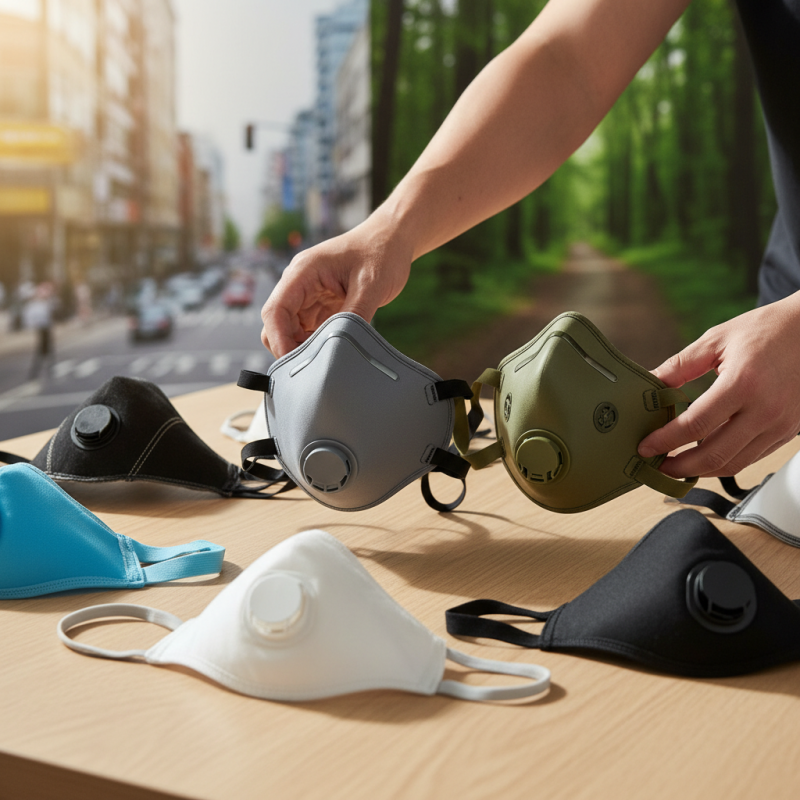
Are you commuting in a busy city? Or maybe exploring the great outdoors? Each scenario might require different features in an air mask. Look for masks with proper filtration standards to ensure safety. Some may be lightweight and breathable, while others offer more extensive coverage.
It's critical to understand that not all air masks are created equal. Some users may struggle with comfort or fit. This can lead to inconsistent use, diminishing the mask's effectiveness. Reflect on your priorities: is it protection, comfort, or style? Take the time to evaluate your options, and you will find the right air mask for you.
Understanding Different Types of Air Masks Available in the Market
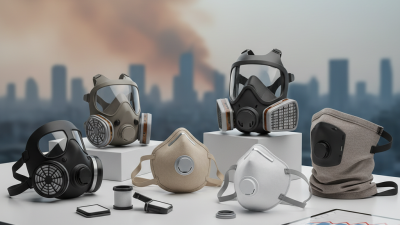
Choosing the right air mask involves understanding the types available. The market offers several options, each with unique features. A 2021 research report indicated that particulate matter (PM) masks filter out 95% of airborne particles. These are ideal for urban areas where pollution levels are high.
Another popular type is the N95 respirator, designed for health professionals. This mask can trap particles as small as 0.3 microns. However, it isn’t always the best choice for everyday use. Comfort is a significant factor; prolonged wearing can lead to discomfort or skin irritation.
Additionally, some masks combine features, providing both filtration and comfort. Yet, many consumers often overlook the fit of the mask. An ill-fitting mask reduces its effectiveness. Regular checks and adjustments are crucial for optimal protection. With so many options, careful consideration is vital in making the right choice.
Key Factors to Consider When Selecting an Air Mask for Personal Use
When selecting an air mask, consider your specific needs. The primary factor is the type of environment you'll be in. If you're in a polluted urban area, you'll need a mask that filters out particulate matter effectively. For those with allergies, a mask can provide relief from pollen and dust. Think about your daily activities too. Do you exercise outside? A mask designed for breathability is crucial.
Tips: Look for masks with adjustable straps. A proper fit enhances comfort and effectiveness. Check the filter type, as different materials offer varying levels of protection. Some masks have replaceable filters. This could save you money in the long run.
Finding a suitable air mask can feel overwhelming. There are many styles and types available. It is essential, however, not to get caught up in trends or appearances. Prioritize functionality and comfort over looks. Reflect on your own preferences and needs. Sometimes, the most straightforward option may be the best one. Take your time in making a choice that will serve you well.
How to Choose the Right Air Mask for Your Needs? - Key Factors to Consider When Selecting an Air Mask for Personal Use
| Factor |
Description |
Considerations |
| Filtration Efficiency |
Measures how well the mask can filter out particulates. |
Look for masks with high filtration ratings (e.g., N95, FFP2). |
| Fit and Comfort |
The mask should fit snugly without gaps. |
Try different sizes and styles, ensure adjustable features. |
| Material |
The type of fabric or material used in the mask. |
Choose breathable materials to avoid discomfort. |
| Purpose of Use |
Whether for general use, health reasons, or specific environments. |
Select masks appropriate for your intended environment (e.g., pollution, allergies). |
| Reusability |
Whether the mask can be reused or is disposable. |
Consider the environmental impact and your budget. |
| Price |
Cost of the mask. |
Evaluate the cost versus longevity and effectiveness of the mask. |
| Certification |
Whether the mask complies with safety standards. |
Look for certifications like NIOSH, CE, etc. |
Assessing Filtration Efficiency: N95, KN95, and Other Ratings Explained
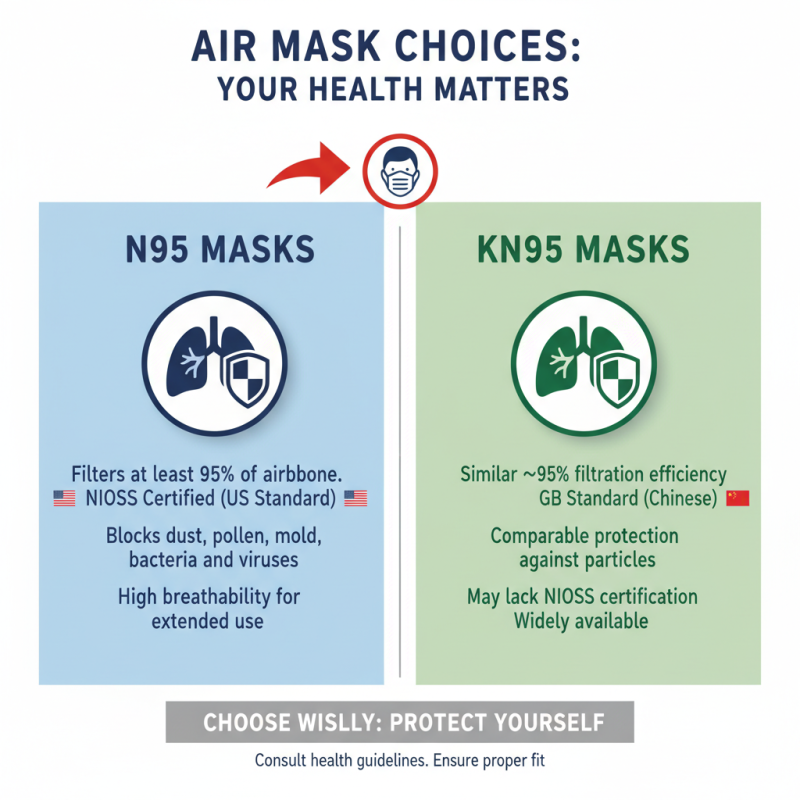
Choosing the right air mask is crucial for your health. Different masks offer various levels of protection based on their filtration efficiency. The N95 and KN95 masks are among the most recognized. An N95 mask filters at least 95% of airborne particles, including large respiratory droplets. In contrast, KN95 masks provide similar protection, but they may lack some U.S. regulatory approval.
Data from the CDC highlights the importance of N95 ratings. Studies show these masks effectively filter 95% of particles that are 0.3 microns or larger. However, not all masks labeled as KN95 meet the same standards. Some may only filter around 70% of particles. This inconsistency makes it essential to verify certifications when choosing a mask.
In real-world scenarios, many users find it challenging to wear these masks for extended periods. Discomfort can arise from the tight fit and breathability issues. While they excel in performance, the user experience is often not ideal. It's a reminder that while protection is vital, comfort also matters. Balancing efficiency and wearability is essential in making the right choice.
Comfort and Fit: How to Ensure Your Air Mask is Suitable for Extended Wear
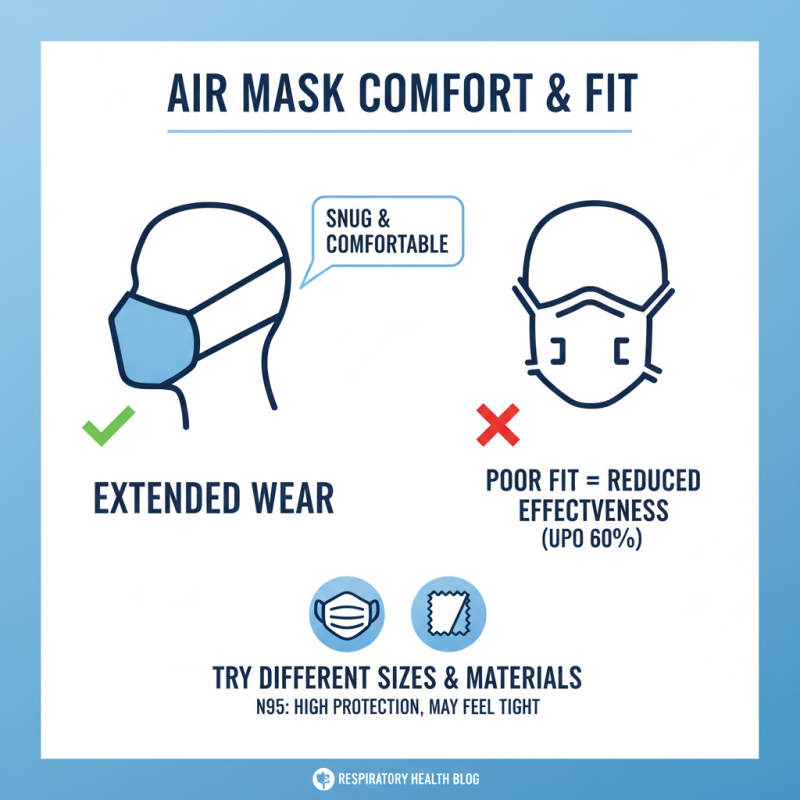
When selecting an air mask for extended wear, comfort and fit are crucial factors. A study published by the American Journal of Respiratory and Critical Care Medicine shows that poorly fitting masks can reduce their effectiveness by up to 60%. This emphasizes the need for masks that fit snugly but comfortably on the face. Consider trying different sizes and materials. N95 masks, for example, provide protection but can feel tight after prolonged use.
Proper adjustments can enhance comfort. Masks with adjustable ear loops or straps are beneficial for personalized fits. It's also vital to assess breathability. A recent analysis indicated that masks designed with multiple layers can hinder airflow. While they may offer filtration, it’s essential to test how they feel during daily activities. Some users report feeling dizzy or fatigued.
Ultimately, finding the right air mask requires balance. Users often face the dilemma of choosing between comfort and protection. Without addressing this, discomfort might lead to improper usage. Inadequate usage can reduce effectiveness over time. Therefore, personal trial and error play a vital role in identifying the ideal choice. Adjustments might be necessary as daily circumstances change, impacting comfort during extended wear.
Special Considerations for Specific Environments and Health Needs
When choosing the right air mask, consider your specific environment. Outdoor activities, like hiking, expose you to dust and allergens. An effective mask should filter these particles. Urban dwellers face pollution from vehicles and industry. Masks with higher filtration efficiency are preferable here.
For those with health concerns, like asthma or allergies, selection is crucial. A mask that fits well can prevent irritants from entering. Look for adjustable straps for a secure fit. The material used matters too. Breathable fabrics can make wearing the mask comfortable for longer periods.
It’s not just about filtering air; it’s also about comfort. Some masks can feel restrictive. Finding the right balance is key. Testing different options could lead to better choices. Remember, everyone’s needs are unique. Be prepared to rethink your selection as conditions change.