How to Choose the Right Smoke Mask for Your Safety in 2025
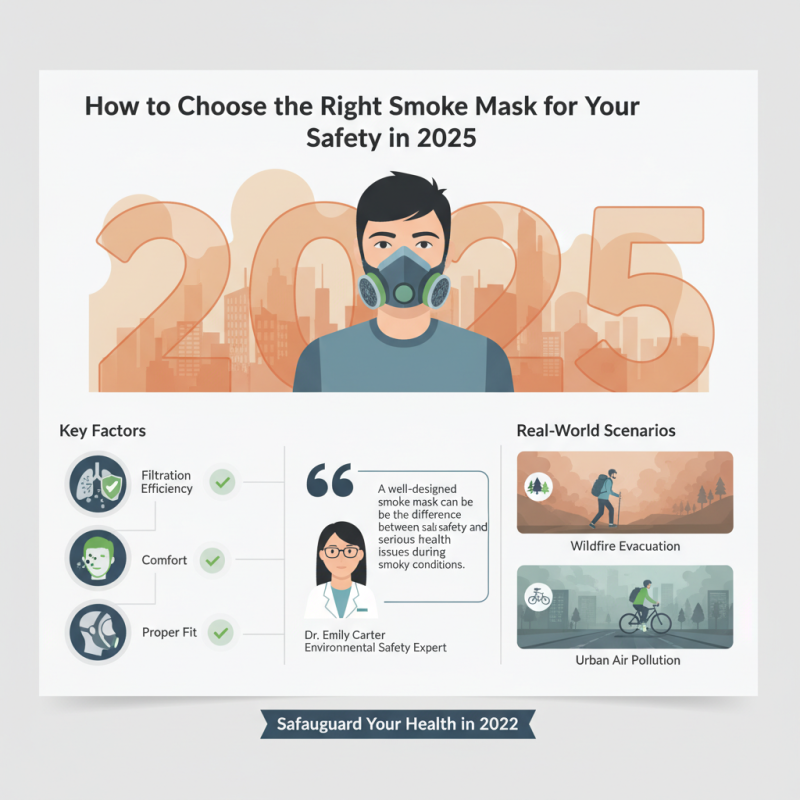
As wildfires and air pollution increasingly pose threats to public health, choosing the right smoke mask has never been more critical. In 2025, with enhanced awareness and technology available, the decision-making process surrounding smoke masks is complex yet vital. According to Dr. Emily Carter, an expert in environmental safety, "A well-designed smoke mask can be the difference between safety and serious health issues during smoky conditions." Her insight underscores the importance of understanding the features that can significantly impact your safety.
When selecting a smoke mask, consumers must consider various factors, including filtration efficiency, comfort, and proper fit. The ability of a smoke mask to filter out harmful particulate matter is paramount, as inadequate protection can lead to respiratory issues. Furthermore, as Dr. Carter emphasizes, "A mask that is uncomfortable or poorly fitting will likely be discarded in critical moments." Thus, it is essential to evaluate how a smoke mask performs in real-world scenarios, ensuring that it meets your specific needs.
As we navigate the increasing dangers posed by smoke exposure, informed decisions regarding smoke masks can help safeguard individual health. This article will guide you through the crucial aspects to consider when selecting the right smoke mask for your safety in 2025.
Understanding the Importance of Smoke Masks for Safety in 2025
As urban environments become increasingly vulnerable to wildfires and industrial accidents, the significance of smoke masks in personal safety cannot be overstated. In 2025, the growing number of air quality advisories indicates an urgent need for the public to understand how smoke inhalation can pose serious health risks. A report from the World Health Organization highlights that air pollution, including smoke from fires, contributes to approximately 7 million premature deaths globally each year. Smoke masks are crucial in filtering harmful particles and gases, thus safeguarding the respiratory health of individuals during emergencies.
When choosing a smoke mask, it's essential to prioritize filters rated to capture particles as small as 0.3 microns. N95 respirators, for instance, can effectively filter 95% of such particles, offering substantial protection in smoky conditions. Additionally, consider the fit of the mask; a proper seal is necessary to prevent contaminants from seeping in.
Tips: Ensure your mask fits snugly against the sides of your face to maximize filtration efficiency. Regularly check for any signs of wear and replace your mask as recommended by manufacturers. Establish an emergency plan that includes access to smoke masks for all family members, ensuring their availability during potential hazardous conditions.
Understanding the importance of smoke masks is crucial in 2025, where our proactive measures can significantly mitigate the health risks associated with smoke exposure. With air quality issues becoming more prevalent, leveraging effective safety equipment like smoke masks becomes not just a personal choice, but a necessity.
Key Features to Look for in a Smoke Mask
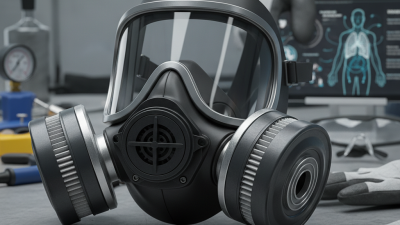
When selecting a smoke mask for optimal safety, it's crucial to understand the key features that ensure effective protection. A high-quality smoke mask should be equipped with a multi-layer filtration system, ideally featuring HEPA filters that can capture particulates smaller than 0.3 microns. According to a report by the National Institute for Occupational Safety and Health (NIOSH), masks with these capabilities can filter out 99.97% of airborne particles, significantly reducing the inhalation risks associated with smoke and toxins.
Another important aspect to consider is the fit and comfort of the mask. A mask that is too loose can allow smoke to enter around the edges, compromising its efficacy. Look for adjustable straps and a design that accommodates various face shapes. A study published in the Journal of Environmental Health highlighted that a proper fit can enhance mask performance by up to 50%, making comfort a non-negotiable factor.
Tips for choosing a smoke mask include checking for certification marks, such as NIOSH or equivalent standards, which indicate compliance with safety regulations. Additionally, ensure that the mask has an exhalation valve to reduce heat buildup and make breathing easier during prolonged use. Lastly, consider the mask's weight and portability, especially if you may need to wear it for extended periods in emergency situations. Prioritizing these features can significantly increase your safety and preparedness in smoke-related scenarios.
How to Choose the Right Smoke Mask for Your Safety in 2025
Types of Smoke Masks and Their Specific Applications
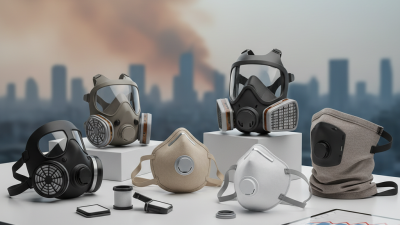
When selecting a smoke mask, it’s important to understand the different types available and their specific applications. Primarily, smoke masks can be categorized into two main types:
simple filtering masks and more advanced respirators. Simple filtering masks typically remove particulate matter, providing basic protection against smoke.
According to a report by the National Fire Protection Association, such masks are suitable for short exposure scenarios, like evacuating a building. However, they do not filter out toxic gases,
which can be hazardous in densely smoke-filled environments.
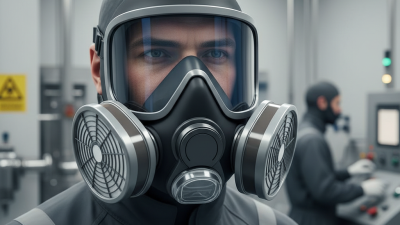
In contrast, advanced respirators offer a higher level of protection by filtering out both particulate matter and toxic fumes. These masks often feature
HEPA filters and activated carbon layers, making them suitable for prolonged exposure in emergency situations, such as wildfires or industrial accidents.
The Centers for Disease Control and Prevention recommends using such advanced equipment in environments where smoke contains harmful chemicals, as traditional masks may not provide adequate safety.
Tips: When choosing a smoke mask, ensure it fits properly to create a good seal around the face, allowing for effective filtration. Additionally, consider the duration of expected exposure and the specific hazards of the environment to select a mask that meets your needs effectively.
Always check for certifications that attest to the mask's efficacy in smoke and gas filtration.
Assessing the Fit and Comfort of Smoke Masks
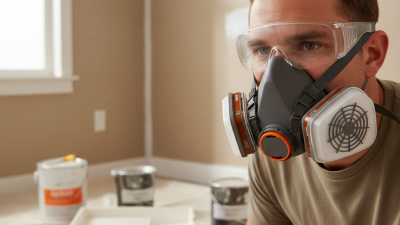
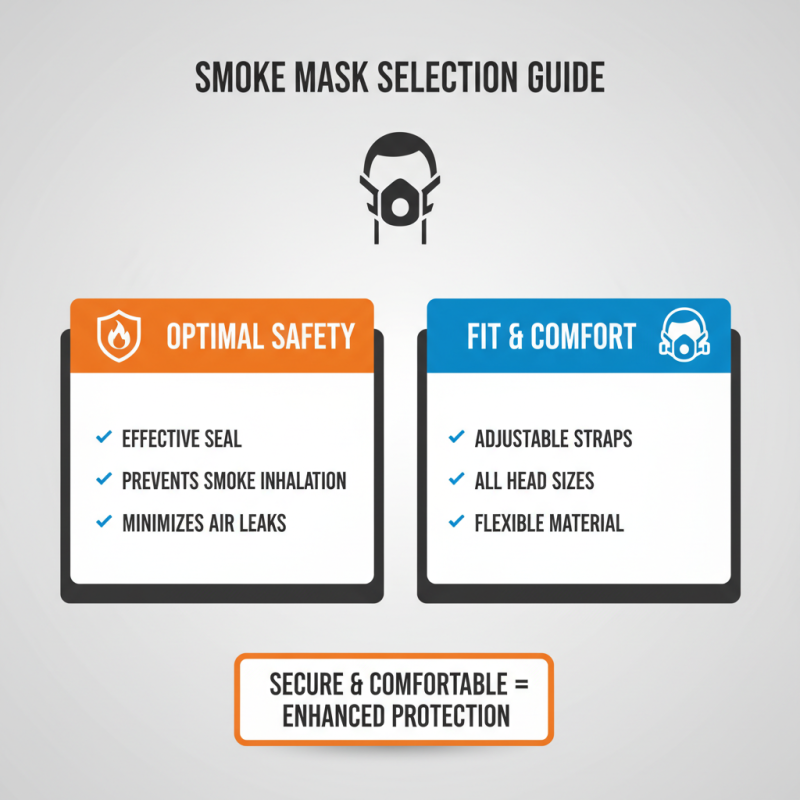
When selecting a smoke mask for optimal safety, assessing the fit and comfort is paramount. A well-fitting mask ensures effective sealing around the face, which is crucial for preventing smoke inhalation. Look for masks that provide adjustable straps to accommodate different head sizes and shapes. A secure fit minimizes air leaks, enhancing the mask's protective capabilities. Moreover, the material's flexibility should allow for both a snug fit and comfort, particularly during extended wear.
Comfort is equally essential, as a mask that causes discomfort may lead to improper use or avoidance altogether. Consider masks with soft, breathable materials to reduce irritation and enhance wearability. The weight of the mask also plays a role; lighter options can help users feel less burdened during emergencies. Additionally, features like padded nose strips can provide extra comfort, making it easier for users to breathe without experiencing pressure. Ultimately, prioritizing fit and comfort not only increases safety but also encourages proper usage in critical situations.
Regulations and Standards for Smoke Masks in 2025
In 2025, the landscape of smoke mask regulations is set to evolve significantly, reflecting an increased emphasis on public safety and health standards. Regulatory bodies are expected to introduce more comprehensive guidelines dictating the performance and testing of smoke masks. These standards will likely focus on filtration efficiency, ensuring that masks can effectively filter out a range of particulate matter and hazardous substances present in smoke. Compliance with these regulations will be crucial for manufacturers aiming to provide reliable safety equipment for consumers facing the dangers of smoke exposure.
Moreover, the adoption of international standards will become increasingly relevant as communities address the growing threat of wildfires and industrial smoke. Standards such as the ANSI/ISEA 110 for protective masks will provide benchmarks for manufacturers regarding the design, performance, and labeling of smoke masks. These guidelines will ensure that consumers can make informed choices, selecting masks that offer adequate protection based on their specific needs. The importance of certification marks and labeling will be emphasized, as they help consumers identify products that meet the required safety standards established for effective smoke protection in various environments.