Why You Should Consider P100 Masks for Maximum Air Protection
In an era where air quality has become a growing concern, choosing the right protective gear is essential for safeguarding respiratory health. A body of research from institutions like the Environmental Protection Agency (EPA) indicates that fine particulate matter (PM2.5) can penetrate deep into the lungs and contribute to a range of health issues, including respiratory diseases and cardiovascular problems. This highlights the importance of utilizing effective respiratory protection, particularly in environments where airborne pollutants are prevalent.
Among the various options available, the P100 mask stands out as a formidable choice for maximum air protection. According to the National Institute for Occupational Safety and Health (NIOSH), P100 masks are designed to filter at least 99.97% of airborne particles, providing superior filtration compared to standard N95 respirators. This capability makes P100 masks particularly suitable for use in environments such as industrial sites, healthcare settings, and areas affected by wildfires or high pollution levels, where exposure to hazardous airborne particulates is a critical concern.
As air quality continues to diminish in many urban and industrial areas, understanding the advantages of using a P100 mask becomes increasingly vital. Investing in advanced respiratory protection can not only enhance individual safety but also contribute to overall public health, safeguarding communities against the detrimental effects of poor air quality and ensuring a healthier future for all.
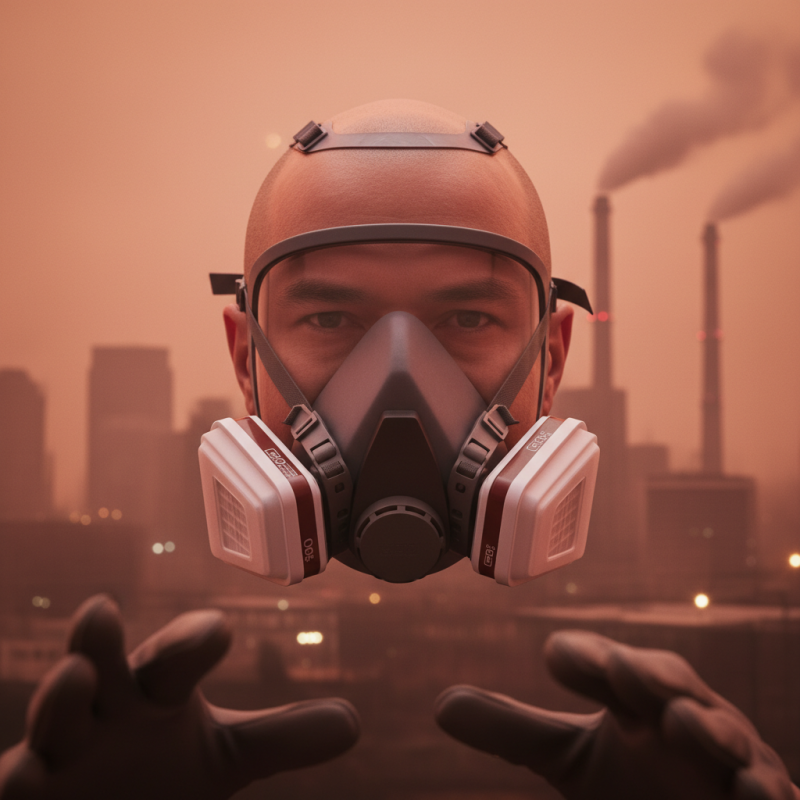
Understanding P100 Masks and Their Filtration Capabilities
P100 masks, designed for optimal air filtration, are equipped with advanced features that set them apart from standard respiratory protection devices. These masks are designed to filter out at least 99.97% of airborne particles, including dust, smoke, and biological agents, making them particularly effective in various environments such as construction sites, industrial settings, and during widespread health concerns. According to the National Institute for Occupational Safety and Health (NIOSH), P100 masks provide a higher level of filtration which is essential in situations where exposure to hazardous particles is a significant threat.
The filtration capability of P100 masks is rooted in their multi-layer construction, which often includes a combination of activated carbon and high-efficiency particulate air (HEPA) media. Studies from the American Journal of Industrial Hygiene indicate that P100 masks can effectively filter particles down to 0.3 microns in size, which is crucial in protecting against fine particulate matter that can penetrate the respiratory system. This makes them ideal for health care workers, first responders, and individuals living in areas with poor air quality.
By understanding the capabilities of P100 masks, users can make informed decisions about their respiratory protection needs in today’s challenging air quality landscape.
Comparison of P100 Masks with Other Respirator Types
When choosing a respirator, understanding the differences between P100 masks and other types can help ensure optimal air protection. P100 masks are designed to filter out at least 99.97% of airborne particles, including both large droplets and smaller aerosols. This high level of filtration is crucial in environments where harmful pollutants or pathogens are present. In contrast, N95 respirators, while effective, only filter out 95% of particles, leaving a higher potential for exposure to harmful substances. The enhanced filtration efficiency of P100 masks makes them especially suitable for industries where toxic dust, viruses, or mold spores are prevalent.
Another notable difference is in the fit and comfort of the masks. P100 masks typically have better sealing capabilities due to their design, which helps minimize leakage around the edges. Many P100 models come with adjustable straps and features that enhance the overall fit, providing a tighter seal during extended use. On the other hand, some other respirator types, like surgical masks or simple cloth masks, do not offer the same level of protection since they do not create a tight seal around the face and primarily protect against large droplets rather than airborne particles. Consequently, if maximum protection is a priority, P100 masks stand out as a superior choice for various settings, including healthcare facilities, construction sites, and manufacturing environments.
Comparison of Respirator Types for Air Protection
Situations Requiring P100 Masks for Enhanced Safety
P100 masks are often recommended in environments where air quality is at its most compromised. According to the National Institute for Occupational Safety and Health (NIOSH), P100 respirators are designed to filter out at least 99.97% of airborne particles, including dust, fumes, and biological agents. This makes them particularly useful in industrial settings such as construction sites, where exposure to silica dust can lead to serious respiratory conditions, including silicosis and lung cancer. Recent studies indicate that workers in these high-risk environments experience significantly lower rates of respiratory diseases when utilizing proper protective equipment like P100 masks.
Moreover, P100 masks become crucial in healthcare settings, especially during outbreaks of airborne pathogens. The Centers for Disease Control and Prevention (CDC) emphasizes the importance of using high-efficiency filtration masks in hospitals and clinics, where healthcare workers are exposed to pathogens such as tuberculosis and COVID-19. An analysis published in a recent peer-reviewed journal estimated that P100 masks can reduce the risk of airborne disease transmission by up to 95%, providing an essential barrier in environments with high-risk exposure. For anyone working in or frequenting such locations, investing in a P100 mask can enhance safety and promote better health outcomes.
Why You Should Consider P100 Masks for Maximum Air Protection
| Situation |
Reason for P100 Usage |
Additional Notes |
| Construction Sites |
High levels of dust and particulate matter |
Recommended for prolonged exposure |
| Healthcare Settings |
Protection against airborne pathogens |
Essential during pandemics |
| Industrial Workplaces |
Exposure to chemical fumes and dust |
Must be fit-tested for effectiveness |
| Wildfire Smoke Areas |
Protects against hazardous smoke particles |
Use during high smoke conditions |
| Laboratories |
Prevention of inhalation of harmful substances |
Critical for safety in chemical labs |
Proper Usage and Maintenance of P100 Masks
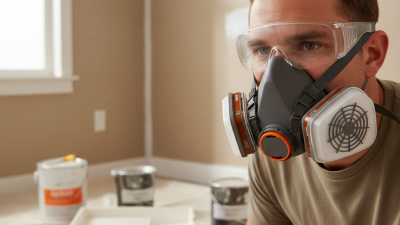
When using P100 masks, proper usage and maintenance are crucial for ensuring maximum air protection. First, it is essential to wear the mask correctly. Position the mask securely over the nose and mouth, ensuring there are no gaps between the mask edges and your skin. Adjust the straps for a snug fit, which provides an effective seal and minimizes the inhalation of harmful particles. Additionally, avoid touching the front of the mask during use, as this area may be contaminated. Instead, handle the mask by the straps when putting it on or taking it off.
Maintenance of P100 masks is equally important to ensure their effectiveness and longevity. After each use, inspect the mask for any signs of damage, such as tears or deformities, which can compromise its protective capabilities. If the mask is reusable, store it in a clean, dry place, away from contaminants, and follow the manufacturer's guidelines regarding cleaning methods if applicable. It is also vital to replace the P100 filters as needed, typically after a specified period of use or upon noticing a decrease in airflow resistance. By adhering to these usage and maintenance principles, users can maximize the protective benefits of P100 masks against airborne particles.
Potential Limitations and Considerations When Choosing P100 Masks
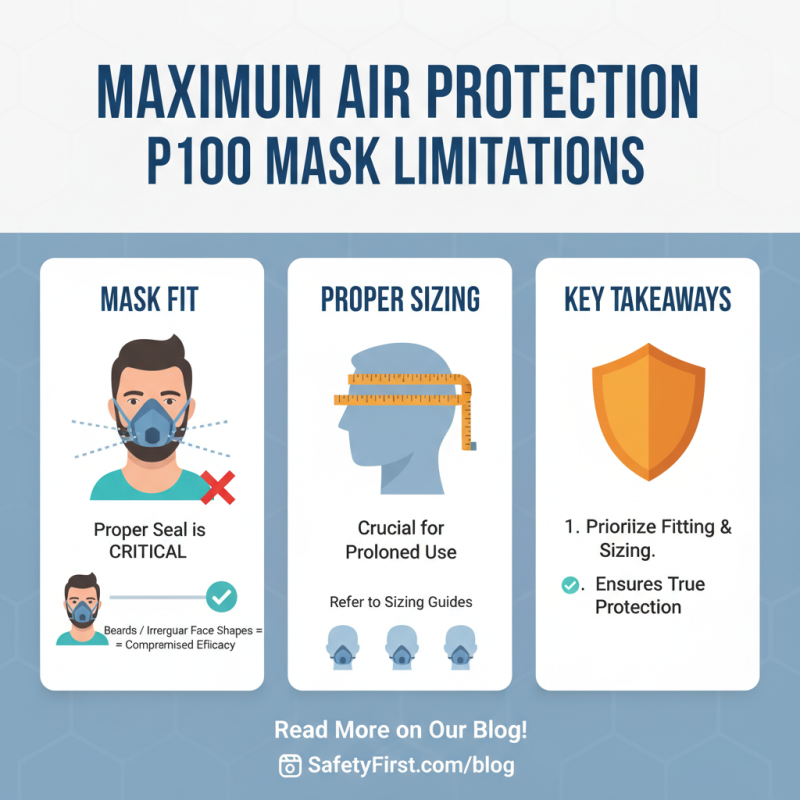
When choosing P100 masks for maximum air protection, it is essential to consider several potential limitations and factors that may impact their effectiveness and user experience. One significant limitation is the fit of the mask. P100 masks must form a proper seal around the face to prevent the infiltration of airborne particles. Individuals with beards or irregular face shapes may find it challenging to achieve an adequate fit, thereby compromising the mask’s efficacy. Therefore, proper fitting and sizing should be a priority for anyone intending to use these masks for prolonged periods.
Another consideration involves the breathability of P100 masks. While they provide high levels of filtration for harmful particulates, the dense material can make breathing more strenuous, particularly during extended use or physical activity. This factor is crucial for users who may have respiratory conditions or require the mask for long durations. Additionally, the moisture and heat buildup inside the mask can lead to discomfort. It is vital for users to evaluate their comfort levels and breathing capabilities, especially in high-stress or high-activity environments, to ensure that the chosen mask suits their specific needs.