Why Are Food Safety Kits Essential for Every Household?
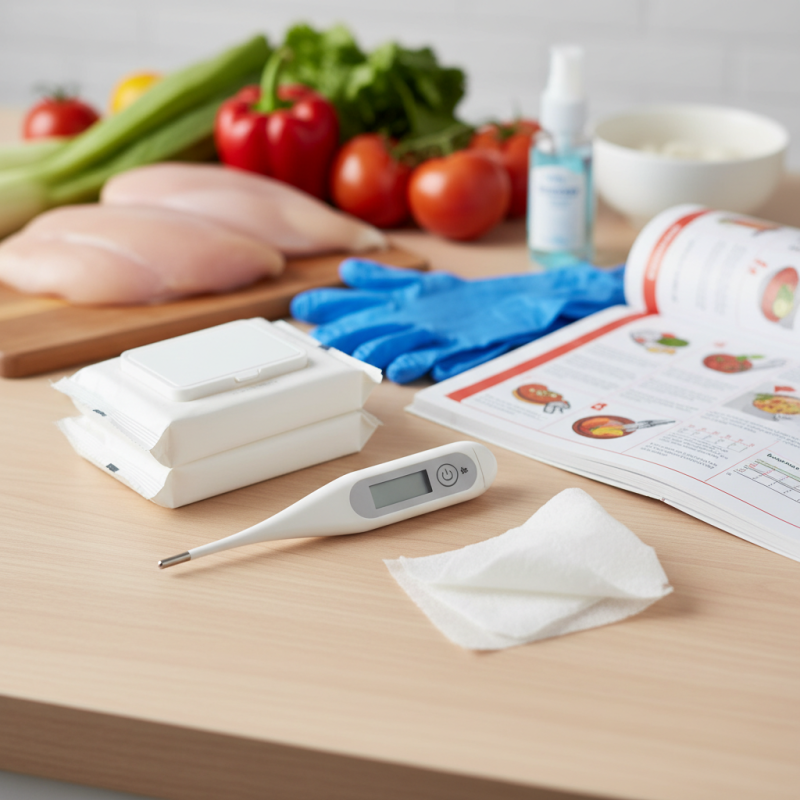
In today's world, food safety is a critical issue for every household. Food Safety Kits are essential in ensuring that families remain healthy and safe. These kits provide the tools and resources needed to prevent foodborne illnesses. They contain thermometers, sanitizing wipes, and instructional guides that make food preparation safer.
Every year, countless people suffer from food poisoning due to improper handling and storage of food. Food Safety Kits help to combat this issue effectively. Families need to be aware of the risks associated with food. Without proper safety measures, anyone can fall victim to dangerous pathogens.
Moreover, having a Food Safety Kit encourages better habits. It serves as a reminder to check food temperatures and maintain cleanliness. Many households may underestimate the importance of these kits. Reflecting on this can lead to healthier choices and safer cooking practices. In conclusion, investing in a Food Safety Kit is not just a choice; it is a necessity for every family.
Importance of Food Safety Kits in Preventing Foodborne Illnesses
Food safety kits play a crucial role in every household. They are essential for preventing foodborne illnesses, which affect millions annually. According to the Centers for Disease Control and Prevention (CDC), roughly 48 million people in the U.S. get sick from foodborne diseases each year. This staggering number highlights the need for proper food safety practices.
These kits typically include thermometers, gloves, and test strips. A food thermometer ensures that meat is cooked to the right temperature. For instance, poultry should reach 165°F to eliminate harmful bacteria. Gloves can prevent cross-contamination during meal prep. Using gloves while handling raw food significantly reduces the chances of spreading pathogens.
Despite the available tools, many people overlook food safety measures. A survey found that about 50% of respondents did not use a thermometer regularly while cooking. This neglect can lead to serious consequences. Simple mistakes, like not washing hands after handling raw meat, are common. Reflecting on these habits is vital for a healthier home environment.
Key Components of a Comprehensive Food Safety Kit
A comprehensive food safety kit should include essential components for preventing foodborne illnesses. According to the Centers for Disease Control and Prevention (CDC), approximately 48 million Americans suffer from food poisoning annually. This alarming statistic highlights the importance of having the right tools at home.
First, a reliable food thermometer is vital. Cooking food to the correct internal temperature kills harmful bacteria. For example, poultry should reach 165°F. Many people overlook this simple step, leading to preventable illnesses. Besides a thermometer, color-coded cutting boards help reduce cross-contamination. These boards remind users to use specific colors for different food types.
Another key element is antibacterial wipes or sprays. Surfaces can harbor bacteria that may transfer to food. A 2019 study from the Food Safety and Inspection Service revealed that only 60% of consumers regularly clean their countertops. This poor practice underscores the need for accessible sanitizing products in any food safety kit. Lastly, food storage bags and containers prevent spoilage and keep allergens separate. Ensuring proper food storage is crucial yet often neglected.
Why Are Food Safety Kits Essential for Every Household? - Key Components of a Comprehensive Food Safety Kit
| Component | Purpose | Frequency of Use |
| Food Thermometer | Ensures food is cooked to safe temperatures | Each cooking session |
| Hand Sanitizer | Reduces risk of contamination | After food handling |
| Food Storage Containers | Keeps food fresh and prevents spoilage | As needed |
| First Aid Kit | Addresses injuries during food preparation | As needed |
| Cleaning Supplies | Maintains a sanitary food preparation area | Regularly |
| Food Safety Guide | Provides information on safe food handling practices | As needed |
How to Select the Right Food Safety Kit for Your Household
When choosing the right food safety kit for your household, consider your lifestyle. Think about what foods you usually prepare. Do you cook daily or rely on takeout? Your needs will guide your selection.
Tips: Assess your cooking habits. If you grill often, look for a kit with meat thermometers. If you enjoy baking, make sure you have a reliable way to measure ingredients accurately.
Next, evaluate the size of your household. A larger family may need more comprehensive kits. Items like gloves, towels, and storage bags should be considered in quantity.
Tips: Check expiration dates on consumables. Is your kit up to date? Regularly inspect it for missing components. Don’t overlook sanitary wipes; they can be a lifesaver when quick cleaning is necessary.
Above all, make sure the kit is user-friendly. Complex tools can be overwhelming. Avoid unnecessary gadgets that may complicate your food prep. Focus on what keeps your family safe and healthy.
Best Practices for Using Food Safety Kits Effectively
Food safety kits are essential in every home. They provide the tools needed to prevent foodborne illnesses. Many households overlook food safety practices. A simple lapse can lead to serious health risks. It’s crucial to understand how to use these kits effectively.
Start by regularly checking the contents of your kit. Ensure that items like thermometers and sanitizing wipes are working and not expired. These tools help monitor food temperatures and maintain cleanliness. Use color-coded cutting boards to avoid cross-contamination. This practice is easy but often ignored.
Remember to educate all family members on food safety protocols. Kids should know the importance of washing hands before meals. Sometimes, individuals may not recognize the severity of food safety risks. Regular training can seem tedious but makes a big difference in the long run. Embrace learning from mistakes. If someone gets sick, reflect on possible oversights.
Educating Your Family About Food Safety and Kit Utilization
Food safety is critical in every home. A food safety kit can help families stay informed and prepared. Teaching children about food safety should start early. Use engaging methods to explain the importance of keeping food clean and safe. This knowledge creates lifelong habits.
Tips: Read labels carefully. Teach your family to look for expiration dates. If something seems off, don't hesitate to throw it away. Remember, it’s better to waste food than risk illness.
Tips: Practice cleanliness. Show your kids how to wash hands before preparing meals. Demonstrate proper food storage and cooking temperatures. Children learn best through hands-on experiences, so involve them in the kitchen.
While food safety kits can be useful, it’s essential to review their contents regularly. Some items may expire or become less effective over time. Discuss these issues with your family and encourage them to suggest new items. A kit is only as good as the knowledge and practices you instill in everyone.