What is an FFP2 Mask and How Does it Protect You from Airborne Particles
In recent years, the importance of respiratory protection has gained significant attention due to the increasing prevalence of airborne particles, including dust, pollen, and biological pathogens. Among various types of respiratory masks, the FFP2 mask has emerged as a key player in safeguarding public health. According to the European Committee for Standardization, FFP2 masks filter out at least 94% of airborne particles, making them essential in environments where exposure to harmful aerosols is a concern. These masks are particularly beneficial in settings such as healthcare facilities, construction sites, and during public health emergencies.
The effectiveness of the FFP2 mask is largely attributed to its design, which includes a close-fitting structure that creates a seal around the face, ensuring minimal leakage. Studies published in peer-reviewed journals have shown that properly fitted FFP2 masks significantly reduce the risk of inhalation of fine particulates, which can lead to adverse health effects. As respiratory issues continue to rise globally, experts advocate for the use of FFP2 masks as a standard measure to enhance personal and collective safety against airborne threats. With ongoing research and data collection, understanding the role of FFP2 masks is crucial for informing public health policies and individual protective strategies in an increasingly polluted world.
What is an FFP2 Mask: Definition and Key Features
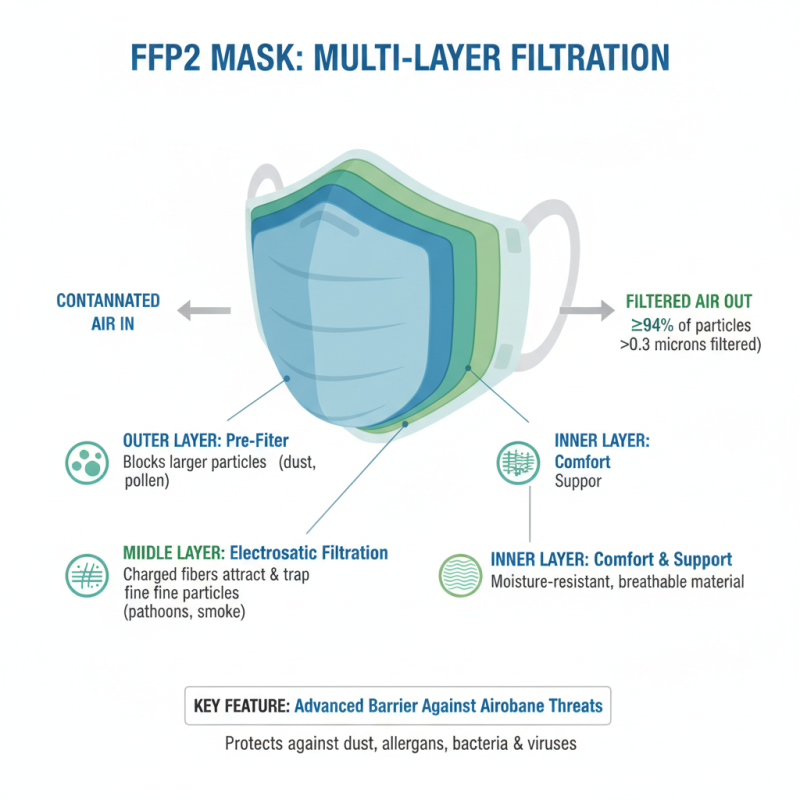
An FFP2 mask, also known as a filtering facepiece mask, is designed to provide a high level of protection against airborne particles, including bacteria and viruses. The "FFP" stands for "filtering facepiece," with the "2" indicating that it filters at least 94% of particles that are 0.3 microns in size or larger. This makes it a critical tool for individuals in high-exposure environments, such as healthcare settings, as well as for the general public during times of heightened respiratory illness.
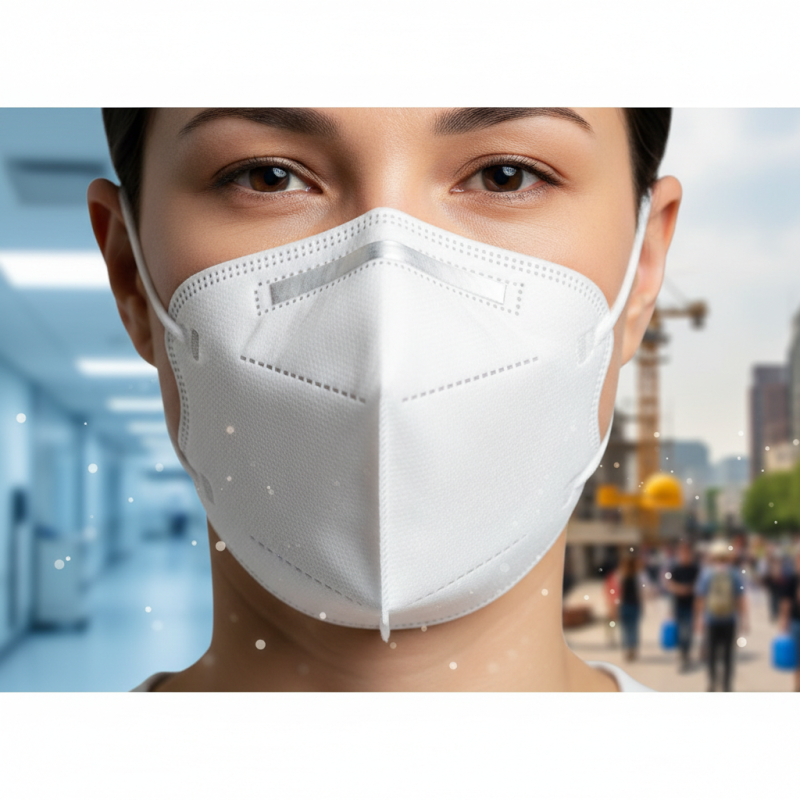
Key features of the FFP2 mask include its snug fit, which helps to prevent air from leaking around the edges. The mask is typically composed of multiple layers of filter material, contributing to its efficacy in trapping harmful particles. Additionally, many FFP2 masks are equipped with a nose clip to ensure a secure seal, making it easier to breathe while still providing robust protection.
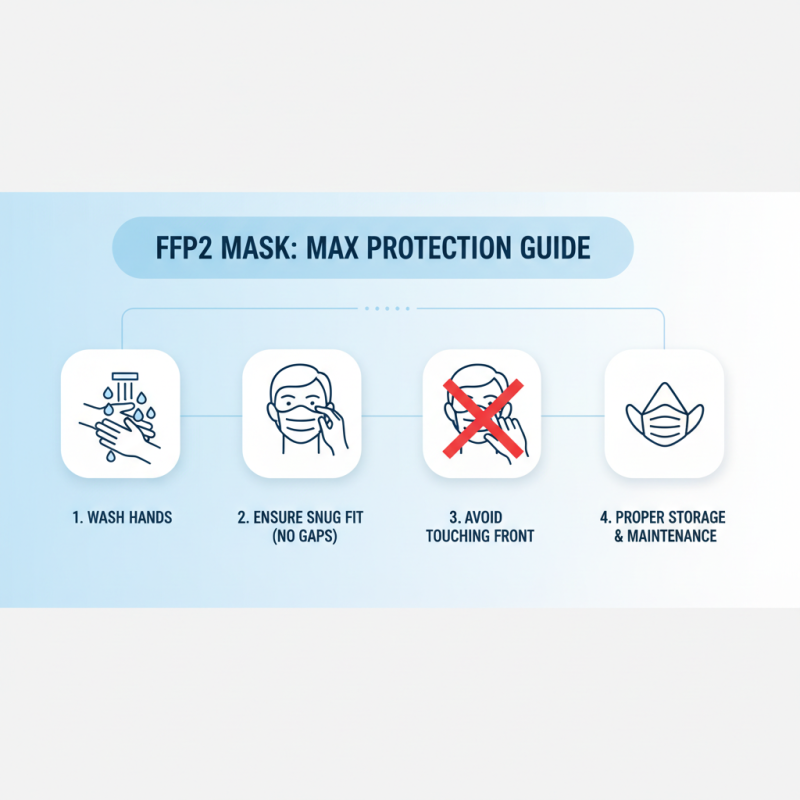
**Tips:** When wearing an FFP2 mask, ensure that it fits securely around your nose and chin to maximize its effectiveness. Avoid touching the mask once it's on your face, and always wash your hands before and after handling it. For optimal protection, replace the mask if it becomes damp or damaged.
FFP2 Mask Protection Levels Against Airborne Particles
The Importance of FFP2 Masks in Airborne Particle Protection
FFP2 masks play a crucial role in protecting individuals from airborne particles, which include dust, allergens, and pathogens. In environments where particulate matter poses health risks, the use of these masks can significantly mitigate exposure. Designed to filter out at least 94% of airborne particles, FFP2 masks offer a high level of filtration efficiency, making them an effective barrier against harmful agents in the air. Their snug fit ensures that air passes through the filter rather than around the edges, enhancing protection in various settings, including healthcare facilities, industrial sites, and crowded public areas.
The importance of FFP2 masks has been underscored during health crises, where airborne diseases can spread rapidly. By wearing these masks, individuals not only protect themselves but also contribute to the overall health safety of their communities. The design of FFP2 masks often includes multiple layers of filtration material, which is essential in capturing both large droplets and smaller aerosol particles. This dual-action capability is vital for reducing transmission rates, thereby helping to control outbreaks and safeguard public health. In summary, FFP2 masks serve as a pivotal line of defense against airborne threats, emphasizing their significance in maintaining safety and well-being in various environments.
How FFP2 Masks Work: Filtration Mechanisms Explained
FFP2 masks are designed to provide a high level of filtration and protection against airborne particles. The effectiveness of these masks is largely attributed to their intricate filtration mechanisms. These masks are constructed from multiple layers of specialized materials that work together to trap and filter out particles as small as 0.3 microns. The first layer acts as a pre-filter, capturing larger particles, while subsequent layers consist of electrostatically charged fibers that attract and capture smaller airborne contaminants, including dust, pollen, and certain pathogens.
The filtration process in FFP2 masks involves a combination of mechanical filtration and electrostatic attraction. Mechanical filtration occurs as air passes through the fibrous layers, where particles are physically blocked from passing through. At the same time, the electrostatic properties of the materials enhance the mask’s ability to attract and retain smaller particles, which may otherwise pass through traditional filters. This dual mechanism ensures a tighter seal around the face and significantly reduces the risk of inhaling harmful airborne substances, making FFP2 masks an effective choice for environments where air quality is a concern.
Comparing FFP2 Masks to Other Types of Masks
When it comes to protecting yourself from airborne particles, understanding the differences between various types of masks is crucial.
FFP2 masks, known for their filtration efficiency, are widely regarded as a superior choice compared to standard surgical masks and cloth masks.
While surgical masks primarily protect others from the wearer’s respiratory emissions, FFP2 masks are designed to filter out at least 94% of particles in the air, including viruses and bacteria.
This high level of protection makes them particularly effective in crowded or high-risk environments.
Tips for choosing the right mask include ensuring a proper fit, as even the best mask can be less effective if it doesn't seal well against the face.
Additionally, consider the environment where you'll be wearing the mask; for instance, in settings with high exposure risk, such as hospitals, an FFP2 mask is preferable over a cloth mask.
Remember, a mask can only provide protection when it is used correctly and combined with other safety measures, like maintaining physical distance and practicing good hygiene.
When comparing FFP2 masks to other types like cloth masks, it is essential to recognize that while cloth masks can still serve as a barrier, they do not offer the same level of filtration or protection.
For everyday use, cloth masks might suffice, but for situations that require heightened safety, investing in FFP2 masks can be a more effective choice for safeguarding your health.
Proper Usage and Maintenance of FFP2 Masks for Maximum Protection
Proper usage and maintenance of FFP2 masks are crucial for ensuring maximum protection against airborne particles. To achieve optimal effectiveness, it is important to put on the mask correctly. Start by ensuring that the mask fits snugly over your nose and mouth, with no gaps at the sides. Always wash your hands before handling the mask. Avoid touching the front of the mask while wearing it, as it may be contaminated.
One of the key aspects of FFP2 mask maintenance is proper cleaning and storage. Although FFP2 masks are primarily designed for single use, if you need to wear one multiple times, store it in a clean, dry place away from direct sunlight and heat. Consider rotating your masks—using a different one each day to allow used masks to air out for at least 72 hours before reusing. Remember to inspect your mask for any signs of damage or wear before each use.
**Tips:** Always keep a spare mask handy in case your primary mask becomes damaged or excessively dirty. Additionally, avoid sharing your mask with others to reduce the risk of cross-contamination. When it comes time to dispose of your mask, ensure to do so responsibly by placing it in a sealed bag before discarding it in the trash. Following these guidelines will help you maintain the integrity of the FFP2 mask and enhance your protection against airborne hazards.