Choosing the right ffp2 mask involves more than picking a familiar brand or attractive package. Protection depends on certification, fit, construction, and everyday use.
A compliant FFP2 mask is designed to filter at least 94% of airborne particles under the relevant European standard, EN 149. That number matters. It does not tell the whole story. A mask can meet a filtration requirement yet leak around the nose or cheeks. Fit is personal. Facial hair, glasses, and movement can affect the seal. Even a small gap may reduce practical protection.
Look for clear product information, including the manufacturer, model, standard reference, and CE marking where applicable. Packaging should not rely on vague phrases such as “medical quality” or “maximum safety.” Check the straps, nose clip, and inner surface before wearing it. The mask should sit firmly without causing painful pressure. It should also remain comfortable enough for the intended period of use. Comfort is not a luxury here. It affects whether people adjust the mask repeatedly.
Real-world choices are rarely perfect. A certified mask may feel too warm, while a comfortable one may fit poorly. Many shoppers focus on filtration percentages and overlook leakage. That is an easy mistake. This guide examines the details that separate a trustworthy ffp2 mask from a misleading purchase. It also considers storage, reuse guidance, and signs of damage, while recognising that official instructions should always take priority.
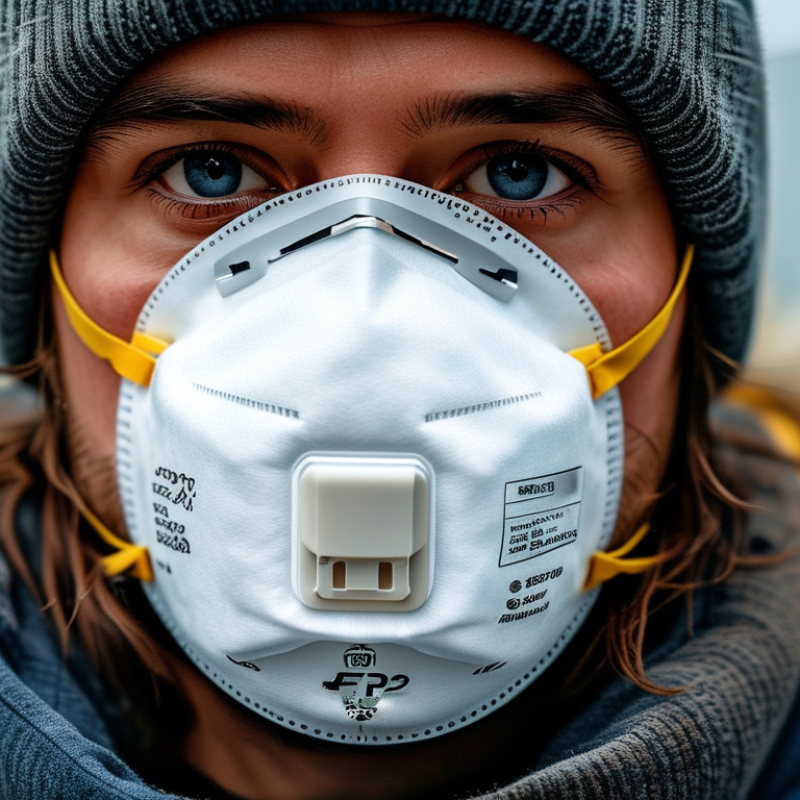
How to Choose the Right FFP2 Mask?
What an FFP2 Mask Is and How Its Protection Works
An FFP2 mask is a filtering half-mask designed to reduce inhaled airborne particles. Its protection comes from several filter layers, not from the fabric alone. Under EN 149:2001+A1:2009, an FFP2 filter must remove at least 94% of test aerosols. The same standard limits total inward leakage to 8% during testing. These figures describe laboratory performance, not guaranteed protection in every situation.
Fit changes the result dramatically. A mask should cover the nose, mouth, and chin, with the upper edge sitting firmly across the nose. Facial hair, twisted straps, or a bent seal can create tiny gaps. Air will choose the easier route. The filter may work well, but the wearer may still inhale unfiltered air. The U.S. National Institute for Occupational Safety and Health stresses fit testing and user seal checks for tight-fitting respirators.
Choose a model with clear conformity markings, intact packaging, and adjustable straps. Check whether it is certified under the relevant local requirements. Avoid relying on appearance alone. A thicker mask is not automatically safer. During a seal check, gently cover the mask and breathe in; the mask should pull slightly toward the face. If air leaks around the nose, readjust it. This simple check is often skipped. That is a practical weakness worth admitting. No mask is magic. Ventilation, correct use, and replacement after damage remain important layers of protection.
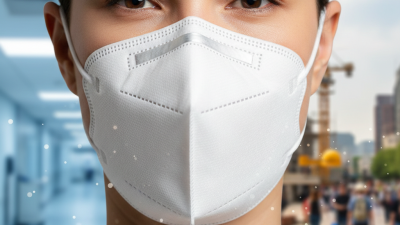
FFP2 masks are classified under the European EN 149 standard. Their performance depends on particle filtration, inward leakage, fit, and correct use.
Minimum particle filtration levels under EN 149 are approximately 80% for FFP1, 94% for FFP2, and 99% for FFP3. A proper facial seal is essential because gaps can reduce real-world protection.
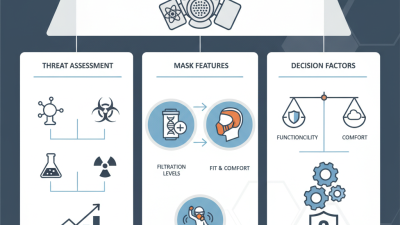
Choosing the right FFP2 mask starts with the hazard, not the packaging. FFP2 respirators are designed to filter at least 94% of airborne particles during standardized testing under EN 149. That number does not guarantee the same protection on your face. Consider what you may inhale, how long exposure lasts, and whether the room has effective ventilation. Fine dust, smoke particles, and respiratory aerosols may justify FFP2 protection in crowded or poorly ventilated spaces. The setting matters.
For workplace exposure, a documented risk assessment should guide the decision. An FFP2 mask is not designed to protect against gases, vapors, or oxygen-deficient environments. Those conditions require different equipment and qualified safety advice. Fit is equally important. Press the nose clip firmly, position the straps correctly, and perform a seal check before entering the exposed area. Facial hair, glasses, head movement, and repeated adjustments can create small leaks. A compliant mask can still provide poor protection when it fits badly. This is often overlooked.
Replace the mask when it becomes damp, dirty, damaged, or difficult to breathe through. Follow the manufacturer’s instructions about reuse and storage, rather than guessing. A tempting shortcut is choosing the highest-looking protection without considering comfort. Discomfort may cause frequent touching or removal, which weakens real-world protection. The honest limitation is that no mask removes every risk. Reassess the exposure if conditions change, even when the original choice seemed reasonable.
| Situation or Hazard | Recommended Protection | Why It May Be Suitable | Important Conditions |
|---|---|---|---|
| Routine exposure to fine, non-toxic particles | FFP2 | FFP2 respirators are designed to filter at least 94% of test aerosols under the EN 149 classification system. | The mask must seal closely to the face and be correctly worn throughout exposure. |
| Dust from sanding, drilling, cutting, or general construction work | FFP2 for moderate exposure; consider FFP3 for higher concentrations | Provides protection against many solid particles and liquid aerosols that do not release harmful gases or vapors. | The specific material may require additional controls, local exhaust ventilation, or a higher protection class. |
| Exposure to airborne biological particles or respiratory droplets | FFP2 when risk assessment and local guidance indicate this level | A well-fitting FFP2 can reduce inhalation of airborne particles and aerosols. | It does not replace hand hygiene, ventilation, isolation, vaccination, or other infection-control measures. |
| Higher concentrations of hazardous particles or very fine aerosols | FFP3 may be more appropriate | FFP3 provides a higher nominal filtration level than FFP2 under EN 149. | Selection should be based on a documented workplace risk assessment and exposure concentration. |
| Low-level nuisance dust with limited exposure | FFP1 may be sufficient | FFP1 has a lower filtration classification and may suit lower-risk particle exposure. | Do not use FFP1 where the hazard assessment requires FFP2 or FFP3 protection. |
| Oil-based aerosols or particles | Use a respirator specifically marked for the relevant aerosol type | Not every filtering facepiece is suitable for oil-containing aerosols or prolonged use with them. | Check the product marking, instructions, and applicable occupational safety requirements. |
| Gases, vapors, solvents, or chemical fumes | A suitable gas or vapor respirator, not a standard FFP2 alone | FFP2 filtering facepieces are intended primarily for particles and do not provide general protection against gases or vapors. | Obtain professional advice and select filters based on the identified chemical and concentration. |
| Oxygen-deficient, unknown, or immediately dangerous atmosphere | Do not use an FFP2 filtering facepiece | FFP2 masks do not supply oxygen and are not designed for unknown or immediately dangerous atmospheres. | Use an appropriate supplied-air or self-contained breathing apparatus selected by qualified professionals. |
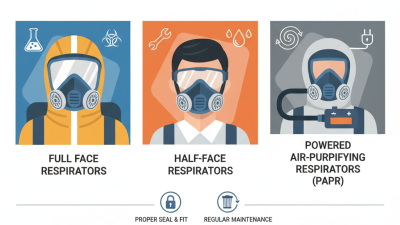
| Work requiring a tight facial seal | Fit-tested FFP2 or another suitable tight-fitting respirator | Facial fit strongly affects the protection achieved in practice; facial hair or poor fit can allow leakage. | Perform a user seal check every time and follow workplace fit-testing requirements. |
| Long periods of strenuous work | Select the required class while considering breathing resistance and wearer comfort | Higher protection can involve greater breathing resistance, which may affect tolerance and work performance. | Schedule breaks and seek medical or occupational-health advice when required. |
Choosing an FFP2 mask starts with its certification, not its color, price, or packaging design. Under EN 149:2001+A1:2009, an FFP2 respirator must achieve at least 94% filtration efficiency and meet strict inward-leakage limits during laboratory testing. Look for “FFP2,” the standard number, manufacturer details, model code, batch number, and expiry date.
A genuine European product should also show a CE mark followed by a four-digit notified-body number. Check that number through the EU NANDO database, then request the EU Declaration of Conformity from the seller. A QR code alone proves little. The European Commission’s 2023 Safety Gate report recorded 3,412 product alerts across categories, showing why traceability deserves attention. Not every alert concerns masks, but the signal is clear.
Fit remains equally important. Place the mask over your nose and chin, press the nosepiece firmly, and check for air leaks around your cheeks. Facial hair can seriously weaken the seal. A quick visual check helps, but it is not proof. I would reject unclear printing, missing batch information, loose straps, or suspiciously thin material. Packaging can look perfect and still be misleading. My own checking process would benefit from recording the supplier, lot number, and purchase date, rather than relying on memory.
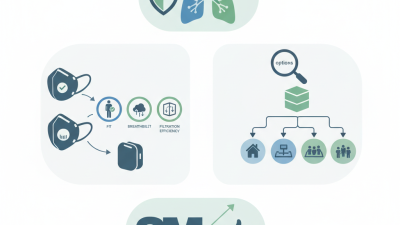
Choosing an FFP2 mask starts with the seal, not the package appearance. Choose a product certified to the applicable FFP2 standard in your region. A correct fit keeps the mask close to your cheeks, nose, and chin. Check the size guidance and inspect the mask for damage. Place the nosepiece firmly, then perform a user seal check. Breathe in and out gently. Air should not escape around the edges. Facial hair, glasses, and heavy movement can weaken that seal.
Shape matters because faces differ. A cup-shaped mask may hold its form, while a folded design can fit more easily in a pocket. Neither shape is automatically better. Try both styles if possible, especially when the mask shifts during speech. The nose bridge should stay stable without painful pressure. If the mask gaps near your eyes or chin, choose another size or shape. Do not stretch ear loops until the seal feels forced.
Comfort affects real-world use. Look for soft edges, breathable layers, and straps that do not pull your ears. A mask that causes repeated touching may be the wrong choice, even if its filter meets requirements. Replace it when damp, dirty, damaged, or difficult to breathe through. Fit testing offers stronger evidence than a quick mirror check, particularly in workplaces. Still, no fitting method is perfect. Recheck the seal after talking, climbing stairs, or adjusting glasses. Small leaks are easy to overlook.
A suitable FFP2 mask should fit your face without gaps around the nose, cheeks, or chin. Choose a size that stays comfortable during normal movement. Before entering a crowded space, wash your hands and inspect the mask. The material should be dry and undamaged. Shape the nose clip carefully, then perform a seal check. If air escapes near your eyes, adjust the mask or choose another size. Facial hair can prevent a reliable seal.
Use the mask only as directed by its manufacturer and local health guidance. Avoid touching the front while wearing it. If you must adjust it, clean your hands first. Do not wear it below your nose, even briefly. Keep a spare mask in a clean paper bag, not loose inside a pocket or handbag. Store used and unused masks separately. A humid bathroom is a poor storage place. I still catch myself touching the nose area, especially when speaking, so this habit needs attention.
Replace the mask when it becomes damp, dirty, crushed, or difficult to breathe through. Replace it sooner after close contact with respiratory illness. Do not wash or disinfect it unless the instructions specifically allow this. Reuse is not automatically safe. Remove the mask by its straps without touching the front. Place it in a closed waste bin, then wash your hands. Follow local disposal rules if the mask has unusual contamination. Many people rush this final step. That small mistake can undo careful handling.