Choosing the right respirator mask is not a simple shopping decision. It begins with the hazard, exposure level, workplace conditions, and required protection.
OSHA estimates that about five million U.S. workers use respirators across approximately 1.3 million workplaces. Its Respiratory Protection Standard, 29 CFR 1910.134, requires employers to assess hazards, select suitable equipment, and conduct fit testing. CDC and NIOSH guidance adds another practical layer: approval numbers, filtration performance, facial seal, and user training must work together. A mask may filter particles effectively, yet still fail around the nose or cheeks.
Dr. John Howard, NIOSH Director, has emphasized, “A respirator is only as effective as its fit.” That principle deserves attention. A loose strap, facial hair, or fogging eyewear can reveal a poor seal before a worker notices discomfort. Small details matter.
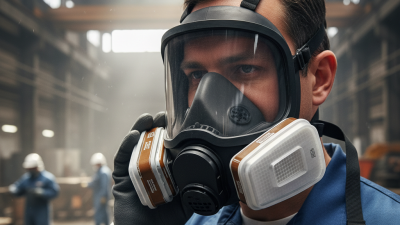
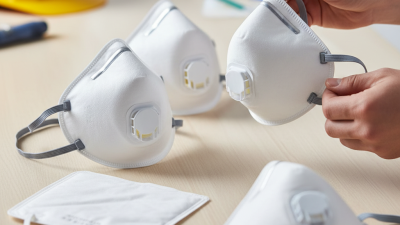
Start with the contaminant. Dust, smoke, biological particles, gases, and vapors require different solutions. N95 respirators can help against many airborne particles, but they do not protect against gases or oxygen-deficient atmospheres. Reusable elastomeric models may offer better sealing and longer service life, but only with correct cartridges, cleaning, and maintenance.
The uncomfortable truth is that comfort often influences real-world use more than laboratory performance. Workers may remove a respirator during heat, communication, or heavy movement. That weakness should be examined honestly. The right respirator mask is therefore not merely certified equipment. It is a carefully matched system that people can wear correctly, consistently, and safely.
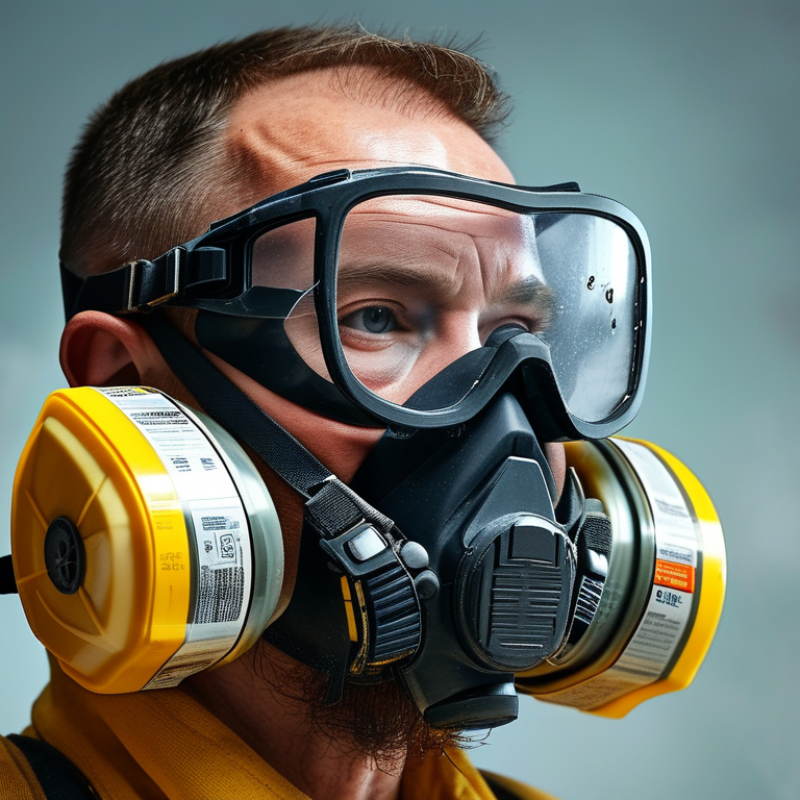
Respirator selection begins with identifying the hazard, not choosing a familiar mask. Determine whether the danger involves dust, mist, fumes, gases, vapors, or several contaminants. Read the safety data sheet and review the task carefully. Cutting concrete, spraying solvent, and entering a storage tank require different protection.
Measure the contaminant concentration whenever possible. Compare the result with the applicable occupational exposure limit. A filter may stop particles, but it cannot remove chemical vapors. Cartridge service life also changes with humidity, temperature, workload, and concentration. That detail is easy to underestimate. Replace cartridges according to validated schedules, not smell alone.
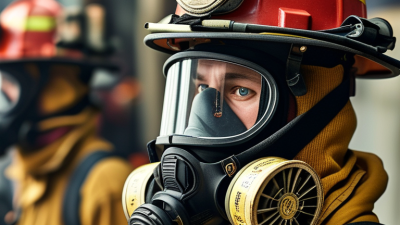
Oxygen level changes the decision completely. Air-purifying respirators must not be used in oxygen-deficient atmospheres. They are also unsuitable for immediately dangerous to life or health, or IDLH, conditions. These environments require positive-pressure self-contained breathing apparatus or supplied-air equipment with an emergency escape supply. Only trained personnel should enter them under a written plan, atmospheric testing, medical clearance, fit testing, and emergency procedures. Facial hair, poor adjustment, or damaged seals can defeat excellent equipment. A careful selection can still fail when conditions change, so continuous monitoring matters. During a recent review, I would question any plan based on a single air sample. Workplaces are rarely that predictable.
How to Choose the Right Respirator Mask?
Choosing a respirator starts with the hazard, not the mask’s appearance. NIOSH Assigned Protection Factors, or APFs, range from 10 to 10,000. An APF of 10 may reduce inhaled exposure to roughly one-tenth of the outside concentration, when the respirator fits correctly. A full-face respirator may provide a higher assigned factor, while certain powered or supplied-air systems can reach APF 1,000 or 10,000 under specific configurations. The number matters.
Match the APF to the measured workplace concentration and its exposure limit. For example, a contaminant measured at 50 ppm, with a permissible limit of 1 ppm, requires an APF of at least 50. The maximum use concentration is generally calculated by multiplying the exposure limit by the APF. However, this calculation must not override cartridge limits, oxygen-deficient conditions, or immediately dangerous conditions. A higher number is not automatically safer.
Fit testing is essential. Facial hair, glasses, movement, and poor strap adjustment can weaken protection quickly. I have seen a well-rated respirator fail because the seal shifted during a simple head turn. That detail is easy to overlook. Workers also need medical evaluation, training, seal checks, and a replacement schedule based on the hazard. APF tables require careful reading, and real workplaces are rarely as tidy as training examples. Consult a qualified safety professional when exposure data is incomplete or conditions may change.
How to Choose the Right Respirator Mask?
The filter, cartridge, or supplied-air class must match the hazard. NIOSH’s 42 CFR Part 84 standard classifies particulate filters by performance. An N95 filter removes at least 95% of test particles, while a P100 filter removes at least 99.97%. “P100” sounds stronger, but it does not protect against gases or vapors. Oil resistance also matters: N-series filters are not oil-resistant, R-series filters resist oil for limited use, and P-series filters are oil-proof. Check the workplace substance, concentration, and exposure time before choosing.
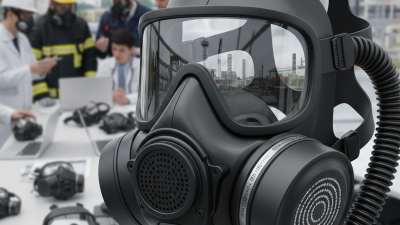
Cartridges protect against specific gases or vapors, not ordinary dust. Combination cartridges may address both particles and chemical vapors, but only when their approval matches the hazard. Supplied-air respirators deliver breathing air from a clean source. Their pressure-demand or continuous-flow design can be critical in oxygen-deficient or immediately dangerous environments. OSHA’s Respiratory Protection Standard, 29 CFR 1910.134, requires a written program, medical evaluation, fit testing, and annual fit testing for tight-fitting respirators.
A practical detail is often missed: facial hair can break the seal. OSHA assigns an APF of 10 to many half-mask respirators and 50 to full-face models, but these values assume proper fit and use. That assumption can fail. NIOSH’s Respirator Selection Logic 2004 also stresses selecting protection from measured exposure data, not guesswork. When concentrations are unknown, supplied-air selection needs competent industrial hygiene support and documented verification.
A respirator protects only when its face seal remains intact. OSHA’s Respiratory Protection Standard, 29 CFR 1910.134, requires fit testing before initial use, after major changes, and at least annually. It also requires retesting when weight changes, dental work, scarring, or other facial changes may affect the seal. A half-mask air-purifying respirator has an assigned protection factor of 10, while a full-facepiece model can reach 50 under approved conditions. Those numbers mean little if air leaks around your cheeks.
Facial hair is a frequent problem. NIOSH guidance states that hair crossing the sealing surface can prevent a reliable fit. Even short stubble may create tiny leak paths. A mirror check is not enough. Use a qualitative or quantitative fit test with the exact model, size, and configuration you will wear. Test while turning your head, speaking, bending, and moving your jaw. Glasses, hooded clothing, sweat, and long hair can also disturb the seal. I would not trust a comfortable feeling alone.
A respirator must match the wearer and the hazard. If facial hair cannot be removed from the sealing area, consider a loose-fitting hood or helmet only when its approval and protection level suit the task. OSHA permits no seal interference in the tight-fitting zone. Records should include the test date, method, respirator type, and result. In practice, people sometimes test once and forget daily checks. That is an easy mistake to correct.
(Sources: OSHA, 29 CFR 1910.134; NIOSH, Filtering Facepiece Respirators FAQs.)
How to Choose the Right Respirator Mask?
Before selecting a respirator, confirm the applicable OSHA requirements for your workplace. OSHA rules may require a written respiratory protection program, medical evaluation, fit testing, training, and documented inspections. These steps matter even when the mask feels comfortable. A loose face seal can allow contaminated air to enter around the cheeks or nose. Facial hair, eyeglass frames, and deep wrinkles may also interfere with protection. Fit testing must use the exact model, size, and configuration intended for work.
Check that the respirator has a valid NIOSH approval for the hazard and task. The approval covers specific components, filters, cartridges, and configurations. Mixing parts from different systems can invalidate that approval. Read the manufacturer’s instructions before use, including limitations, storage conditions, cleaning methods, and replacement schedules. Do not assume a cartridge lasts for a full shift. Vapor breakthrough can occur sooner because of heat, humidity, concentration, or heavy breathing.
A quick seal check is useful, but it does not replace formal fit testing. Inspect the straps, valves, facepiece, and filter surfaces before entering the work area. Replace damaged or contaminated parts. I sometimes find that workers focus on the mask, while ignoring the written program behind it. That is an easy mistake to make. Keep the instructions available, record training, and ask a qualified safety professional when the hazard or equipment is unclear.