What is a medical face mask and how to choose the right one?
In recent years, the medical face mask has become vital for public health. Many individuals wear masks to protect themselves and others. However, not all masks are created equal. Understanding what constitutes a medical face mask is essential.
A medical face mask is designed to prevent the spread of infectious agents. They are typically made from multiple layers of fabric. This design helps filter airborne particles effectively. Choosing the right medical face mask involves considering the mask's fit, filtration efficiency, and comfort.
Some masks may claim high protection but lack proper certification. The importance of proper use cannot be overstated. A poorly fitting mask reduces its effectiveness. When selecting a mask, evaluate the manufacturer’s credibility. This ensures you’re using a reliable product. Mistakes in choice can compromise safety, leading to unintended consequences. Being knowledgeable about these factors can significantly impact your well-being.

What is a Medical Face Mask: Definition and Purpose
Medical face masks are essential in reducing the spread of infections. These masks serve a vital role in healthcare settings and everyday environments. They act as a barrier, preventing respiratory droplets from entering or exiting. The need for masks has surged due to global health concerns.
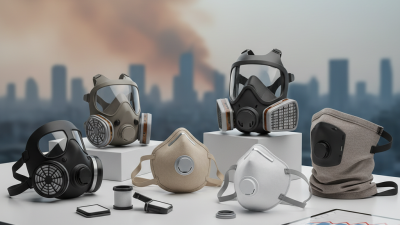
Choosing the right mask requires understanding its types. Surgical masks are designed for medical professionals. They filter out large particles. N95 respirators offer a higher level of protection, designed to fit snugly around the nose and mouth. Cloth masks are more commonly used by the general public, providing a basic level of protection. However, their effectiveness can vary based on the material used and the number of layers.
It's crucial to consider fit and comfort when selecting a mask. A well-fitted mask ensures better protection. Many users face challenges in finding the right size or style that allows them to breathe easily. While some may prefer the convenience of cloth masks, others might reflect on the need for higher protection in certain situations. Understanding these nuances can lead to more informed choices in safeguarding health.
What is a Medical Face Mask and How to Choose the Right One?
| Mask Type |
Filtration Efficiency |
Usage |
Comfort |
Cost |
| Surgical Mask |
Approx. 95% |
Medical settings, general public |
Moderate |
Low |
| N95 Respirator |
95% or greater |
Healthcare professionals, high-risk environments |
Moderate to High |
Moderate to High |
| KN95 Mask |
95% or greater |
General public, industrial use |
Moderate |
Moderate |
| Cloth Mask |
Varies widely |
General public, low-risk situations |
High |
Low |
Types of Medical Face Masks: Characteristics and Uses
Medical face masks come in various types, each designed for specific uses. Surgical masks are the most common type. They provide a protective barrier against large droplets and splashes. However, they are not designed for complete filtration. This means small particles can still enter. Surgical masks should be used in clinical settings but may not offer full protection in public spaces.
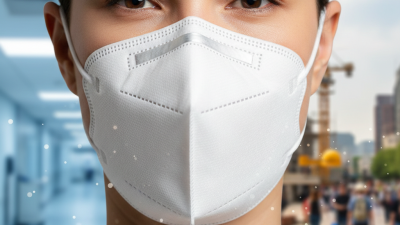
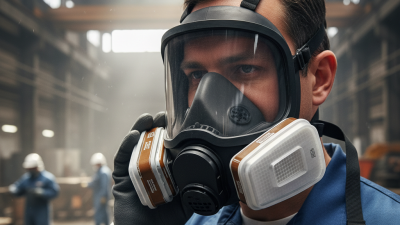
N95 respirators, on the other hand, offer a higher level of protection. They filter out at least 95% of airborne particles. These masks are essential for healthcare professionals who are exposed to infectious diseases. They create a tight seal around the face, minimizing the risk of inhalation. Nevertheless, their fit can vary. It’s crucial to ensure a proper seal when wearing an N95 mask.
Cloth masks have gained popularity for everyday use. They are reusable and can be handmade or commercially available. While they are better than wearing no mask at all, their effectiveness varies greatly. Not all fabrics provide adequate filtration, and fit plays a significant role. Therefore, selecting the right mask involves considering materials and fit. This can be tricky, as each person may have different needs.
Key Factors to Consider When Choosing a Medical Face Mask
Choosing the right medical face mask is crucial for effective protection. Consider the mask's filtration efficiency. Masks should meet a minimum standard, such as ASTM Level 1 or higher. A report from the CDC indicates that masks with higher filtration can significantly reduce the transmission of airborne pathogens.
Fit is another important factor. An ill-fitting mask can let in unfiltered air. A snug fit around the nose and chin is essential. According to recent studies, masks that completely cover the nose and mouth reduce exposure by over 80%.
Some masks come with additional features such as adjustable ear loops or built-in nose wires. These features enhance comfort and efficacy. Also, look for masks made from non-woven material. This material often offers better protection compared to woven fabrics.
Consider the duration of use. Some masks are designed for single use, while others may be re-usable after proper disinfection. When shopping, prioritize quality over price. The value of safety far outweighs a lower cost.
Choosing masks made from breathable material can enhance compliance. This is especially important for prolonged use in healthcare settings. Stay informed on updates and recommendations from health authorities to ensure you are making the best choice.
How to Properly Wear and Care for Your Medical Face Mask
Wearing a medical face mask correctly is essential for optimal protection. Begin by washing your hands before handling the mask. Hold it by the ear loops or ties, avoiding contact with the mask's front. Ensure it covers your nose, mouth, and chin without gaps. A snug fit around the edges is crucial. For masks with ties, secure them comfortably behind your head. If using ear loops, adjust them to minimize discomfort.
Caring for your mask is just as important. If you are using a disposable mask, never reuse it. After wearing, dispose of it in a sealed container. For reusable masks, wash them daily. Use hot water and a detergent suitable for your fabric. Ensure it's fully dry before next use. Regularly check for signs of wear. If the mask is frayed or damaged, replace it. This attention to detail enhances safety and effectiveness.
It’s essential to reflect on your mask-wearing habits. Are you mindful of where you touch it? Frequent touching can transfer germs. Also, consider your surroundings. In crowded spaces, double-check your mask fit. Small adjustments can make a significant difference. Consciousness about these factors can improve overall health safety.
Regulations and Standards for Medical Face Masks in Healthcare
Medical face masks play a crucial role in healthcare settings, especially during infectious outbreaks. Regulations for these masks ensure they meet specific safety and efficacy standards. In the United States, the FDA oversees medical face masks, classifying them into different categories. There are surgical masks and N95 respirators, each serving unique purposes.
When selecting a medical face mask, consider filtration efficiency, fit, and comfort. Surgical masks offer basic protection against droplets. N95 respirators provide a tighter seal and filter out at least 95% of airborne particles. However, finding the right fit can be challenging. Masks that don't fit well may lead to leakage, reducing overall effectiveness.
Healthcare workers often face challenges in adhering to guidelines. Some may prioritize comfort over safety, especially during long shifts. Others might misuse masks or forget to replace them regularly. This can compromise protection. Regular training and reminders are essential to improve compliance and ensure safety in healthcare environments.