Why You Need a Paint Mask for Safe and Effective Painting Projects
In the realm of home improvement and DIY projects, safety is paramount, especially when it comes to painting. According to the Environmental Protection Agency (EPA), the inhalation of volatile organic compounds (VOCs) found in many paints can lead to serious health issues, including respiratory problems and long-term damage to vital organs. A study published in the American Journal of Public Health revealed that nearly 10% of professionals in the painting industry reported work-related respiratory ailments due to exposure to hazardous materials. This alarming data underscores the importance of protective measures, specifically the use of a paint mask.
A paint mask serves as a critical line of defense against inhaling harmful particles and chemicals present in paint fumes. The American Industrial Hygiene Association (AIHA) recommends using proper respiratory protection to significantly reduce the risk of inhaling toxic substances during painting projects. With the right paint mask, individuals can filter out over 95% of airborne particles and vapors, facilitating a safer environment for both amateur and professional painters alike. As the demand for home improvement projects continues to rise, prioritizing personal safety with appropriate respiratory protection becomes essential for achieving not only professional results but also safeguarding health.
Purpose of Using a Paint Mask in Painting Projects
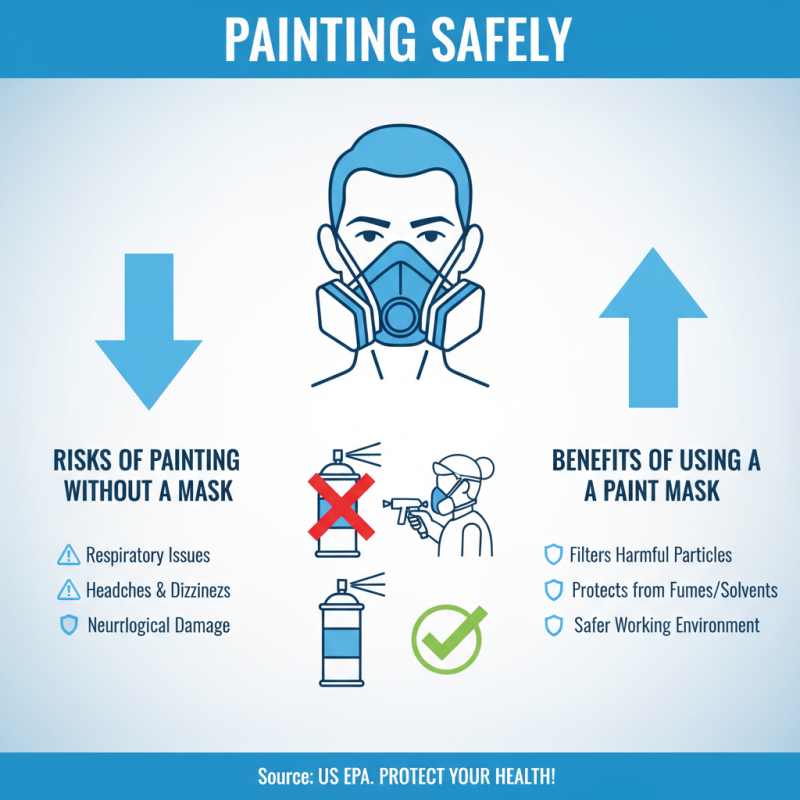
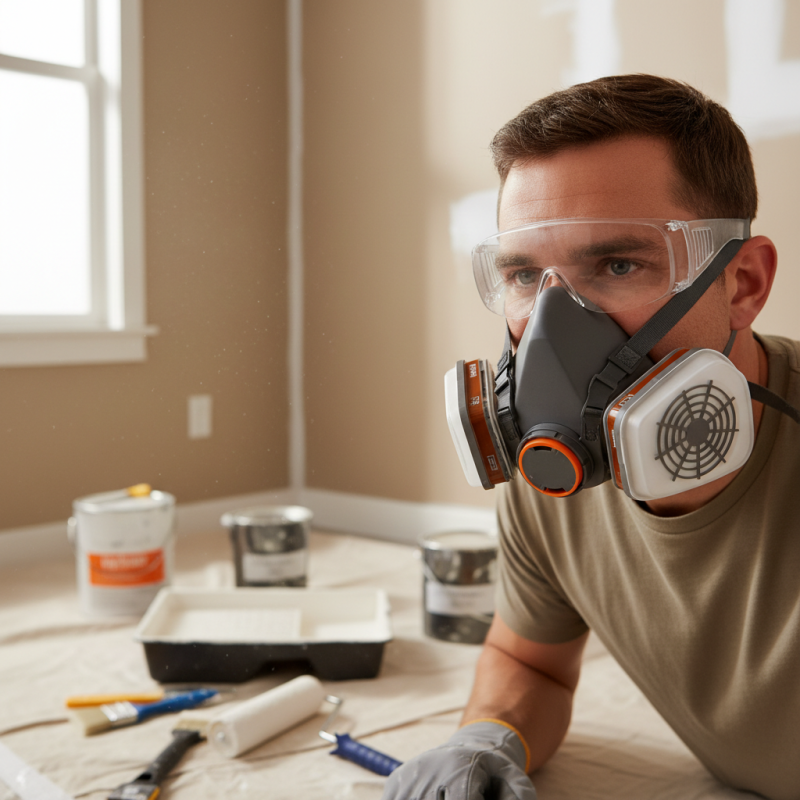
When undertaking painting projects, the importance of using a paint mask cannot be overstated. Paint masks are designed to protect the wearer from airborne particles, fumes, and harmful solvents that are often present during painting activities. According to the U.S. Environmental Protection Agency (EPA), exposure to paint aerosols can lead to serious health problems, including respiratory conditions, headaches, and even neurological damage. The use of a paint mask significantly reduces this risk by filtering out harmful substances, ensuring a safer working environment.
Moreover, the effectiveness of a paint mask enhances the overall quality of painting projects. As reported by the Occupational Safety and Health Administration (OSHA), using proper personal protective equipment (PPE) during such tasks leads to better concentration and performance. Painters who utilize masks tend to experience less fatigue and discomfort, allowing them to focus on the details of their work. This is especially critical in professional settings where precision is paramount. In conclusion, the effectiveness of a paint mask in safeguarding health and ensuring optimal project results makes it an essential tool for both amateur and professional painters alike.
Types of Paint Masks and Their Features
When engaging in painting projects, selecting the right type of paint mask is essential to ensure both safety and effectiveness. There are primarily three types of paint masks:
disposable masks,
reusable masks,
and
respirators. Each type comes with its own set of features designed to provide varying levels of protection against airborne particles, toxins, and fumes generated during painting.
Disposable masks are often the most accessible option, usually made of lightweight materials that filter out large particulates. These masks are ideal for short, non-toxic projects where convenience is key, as they can be discarded after use.
On the other hand, reusable masks are constructed from more durable materials and can be fitted with different filters to enhance their protective capabilities. These masks are suitable for prolonged usage and provide better filtration against finer particles and paint mist.
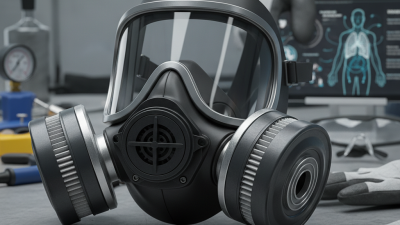
For those undertaking more intensive painting tasks, respirators are the preferred choice. These devices feature tighter seals and advanced filters that protect against harmful chemicals and gases. They are essential for professional painters or individuals working in confined spaces, ensuring a higher level of respiratory safety.
Understanding these types of paint masks allows individuals to choose the right protection based on their specific needs and project requirements.
Health Risks Associated with Paint Fumes and Particulates
When engaging in painting projects, it is crucial to consider the health risks associated with paint fumes and particulates. Many paints contain volatile organic compounds (VOCs) and other harmful chemicals that can be detrimental to your respiratory health. Inhalation of these fumes can lead to headaches, dizziness, and in some cases, long-term respiratory issues. Particulates from sanding or mixing paint can also exacerbate these risks, potentially causing allergic reactions or other health problems.
To protect yourself while painting, wearing a paint mask is essential. A quality mask can filter out harmful particles and fumes, reducing your exposure significantly. When selecting a mask, look for one that provides adequate coverage and is specifically designed for paint fumes and particulates. Additionally, ensure you are working in a well-ventilated space to further minimize the inhalation of harmful substances.
Tips: Always take breaks in fresh air to give your lungs a rest. Consider using water-based paints, which tend to have lower VOC levels compared to oil-based options. Lastly, before starting your project, read the safety guidelines on the paint cans to understand the specific risks and recommended safety measures. By taking these precautions, you can ensure a safer painting experience without compromising on quality.
Best Practices for Choosing and Using a Paint Mask
When engaging in painting projects, selecting the right paint mask is essential for protecting your health and ensuring effective results. A paint mask acts as a barrier, preventing harmful chemicals and particles from entering your respiratory system. When choosing a mask, consider the type of paint you'll be using; for solvent-based paints, a mask with organic vapor cartridges is necessary, while a simpler dust mask may suffice for water-based paints.
Tips for choosing a paint mask: always check the mask’s filter rating — look for N95 or higher for adequate filtration. Ensure the fit is snug but comfortable, as gaps can let in harmful particles. Additionally, consider masks with adjustable straps, as they provide a better seal and can accommodate different face shapes.
When using your paint mask, remember to replace filters regularly to maintain optimal protection. For prolonged use, take breaks in well-ventilated areas to give your lungs a rest. It's also wise to clean your mask after each use to extend its lifespan and effectiveness. By following these best practices, you can safeguard your health while enjoying the creative process of painting.
Why You Need a Paint Mask for Safe and Effective Painting Projects - Best Practices for Choosing and Using a Paint Mask
| Feature |
Description |
Best Use Cases |
Considerations |
| Type of Mask |
Disposable, Reusable, or Powered |
General painting, heavy-duty tasks |
Personal comfort, cost, and waste disposal |
| Filtration Efficiency |
N95, P100, or specialized filters |
Spray painting, sanding |
Type of fumes and particles encountered |
| Comfort and Fit |
Adjustable straps, cushioned nose bridge |
Long duration tasks |
Fit testing to avoid leaks |
| Certification Standards |
NIOSH certified or equivalent |
Regulatory compliance |
Choosing compliant masks for safety |
| Maintenance |
Regular replacement of filters |
Long term projects |
Cost implications of ongoing maintenance |
Maintenance and Care for Your Paint Mask
Proper maintenance and care of your paint mask is essential to ensure its effectiveness during painting projects. After each use, it is important to clean your paint mask thoroughly to remove any paint particles, dust, and other contaminants. Most masks can be rinsed with warm water and mild soap, making sure to scrub any areas where paint residue may accumulate. Regular cleaning not only extends the life of the mask but also enhances its filtration capabilities, keeping you safe from harmful chemicals.
In addition to cleaning, you should inspect your paint mask regularly for signs of wear and tear. This includes checking the straps for elasticity and comfort, ensuring the filter is intact, and looking for any cracks or damage in the mask material. Replacing worn-out components promptly is crucial; a damaged mask can compromise safety and hinder effective painting. Storing your paint mask in a cool, dry place away from direct sunlight can also help maintain its integrity, making it ready for your next painting project while ensuring your health and safety are never compromised.
Importance of Paint Masks in Painting Projects