Top Reasons to Choose P95 Masks for Protection in 2025
In recent years, the importance of effective respiratory protection has become increasingly evident. With the emergence of numerous airborne threats including viruses, pollutants, and allergens, the P95 mask has gained recognition as a crucial tool in personal safety. According to the National Institute for Occupational Safety and Health (NIOSH), P95 masks are designed to filter out at least 95% of airborne particles, making them an essential choice for both healthcare workers and the general public. Moreover, a report published by the World Health Organization (WHO) indicates that respiratory diseases have risen by 9% over the last decade, highlighting the growing need for protective gear.
By 2025, as industries evolve and environmental challenges escalate, the relevance of P95 masks is likely to increase, providing a reliable barrier against increasingly sophisticated risks. Recent studies suggest that particulate matter (PM2.5) levels in urban areas have surged, prompting health officials to advocate for the use of high-efficiency masks. As a safeguard against respiratory infections and chronic health conditions, P95 masks not only promise protection but also offer comfort and breathability, which are vital for prolonged wear. This comprehensive overview will delve into the top reasons to choose P95 masks, underscoring their importance in a rapidly changing world where health and safety continue to be paramount.

Understanding P95 Masks and Their Filtration Efficiency
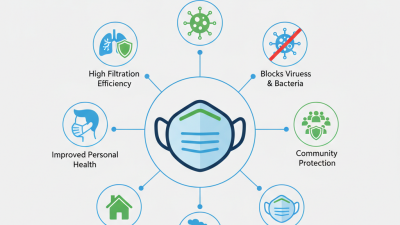
P95 masks have gained significant attention for their filtration efficiency and protective capabilities, especially in an increasingly uncertain health landscape. Designed to filter out at least 95% of airborne particles, P95 masks are particularly effective against various pollutants, including dust, smoke, and biological agents. Their name, "P95," signifies their filtration standard—making them a preferable option among various mask types for both professional and everyday use. The respiratory protection provided by these masks is critical, particularly in industries where exposure to harmful particulates is prevalent, as well as during public health emergencies.
Understanding the filtration efficiency of P95 masks is crucial for making informed choices about respiratory protection. The masks are equipped with a special filter material that captures fine particles, offering a reliable barrier against contaminants that could otherwise compromise respiratory health. Unlike standard cloth masks, P95 masks can effectively block sub-micron particles, thereby providing a higher level of security. This unique capability not only supports individual safety but also contributes to greater public health efforts, especially in densely populated areas or during events that raise concerns about air quality. As we move forward into 2025, the demand for effective personal protective equipment will likely continue to rise, and P95 masks stand out as a top choice for those seeking robust filtration and safety.
Top Reasons to Choose P95 Masks for Protection in 2025
| Feature |
Description |
Filtration Efficiency |
Usage Scenarios |
| Animal Droplet Protection |
Effective against animal droplet transmission. |
95% against non-oily particles |
Veterinary practices, agriculture |
| Healthcare Settings |
Recommended for use in hospitals and clinics. |
95% against airborne pathogens |
Hospitals, doctor’s offices |
| Organic Vapor Filtration |
Provides protection against harmful vapors. |
Effective against organic vapors |
Laboratories, manufacturing |
| Comfort Fit Design |
Designed to provide maximum comfort during wear. |
N/A |
Daily use, long-term wear |
| Durability |
Robust materials that prolong mask life. |
N/A |
Industrial, outdoor activities |
Key Health Benefits of Using P95 Masks in 2025
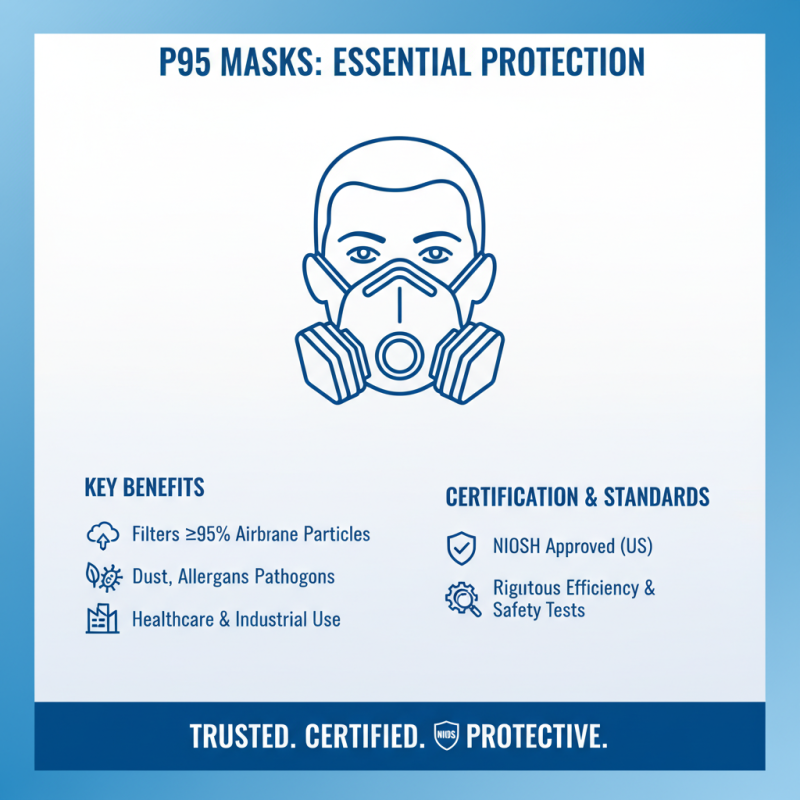
As we approach 2025, the importance of using P95 masks for respiratory protection remains paramount. According to a report by the National Institute for Occupational Safety and Health (NIOSH), P95 masks are designed to filter out at least 95% of airborne particles, including dust, allergens, and pathogens. This is particularly beneficial in protecting against respiratory diseases and improving overall health. In light of ongoing concerns about air quality and the spread of infectious diseases, adopting P95 masks can significantly reduce the risk of respiratory-related health issues.
Incorporating P95 masks into daily routines not only safeguards individual health but also contributes to community well-being. The Centers for Disease Control and Prevention (CDC) emphasizes that masks can be an effective barrier against airborne diseases, especially in crowded or enclosed spaces. Emphasizing their effectiveness during high pollution days or flu seasons can offer essential protection, making them a prudent choice for anyone committed to maintaining their health in 2025.
Tips for optimal P95 mask usage include ensuring a proper fit to enhance filtration efficiency, as gaps can reduce effectiveness. Regularly inspecting masks for any wear and tear is crucial, as damaged masks may not provide the intended level of protection. Finally, consider using P95 masks during outdoor activities in polluted areas, as they can significantly reduce exposure to harmful particulate matter, thus promoting long-term respiratory health.
Comparative Analysis: P95 Masks vs. Other Respiratory Protection Options
When evaluating respiratory protection options,
P95 masks stand out due to their high filtration efficiency, making them a preferred choice for individuals in various sectors, including healthcare and construction.
According to the National Institute for Occupational Safety and Health (NIOSH), P95 masks filter at least 95% of airborne particles, including particles as small as 0.3 microns.
This level of protection is critical, especially as airborne diseases and contaminants continue to pose significant health risks.
In contrast, standard surgical masks offer limited filtration capabilities, primarily designed for droplet protection rather than aerosolized particles.
Moreover, P95 masks not only provide superior filtration but also offer better fit and sealing compared to cloth masks or basic surgical options.
A study published in the Journal of Occupational and Environmental Hygiene highlights that proper fit can enhance protection significantly; even small gaps can lead to a reduction in overall effectiveness.
With respiratory viruses becoming increasingly sophisticated, opting for a P95 mask ensures that users are better safeguarded against a wide variety of airborne hazards.
As industries and workplaces adapt to evolving health standards, the choice of respiratory protection should prioritize efficacy, which is where P95 masks demonstrate their undeniable advantage.
Regulatory Standards and Certifications for P95 Masks
P95 masks are gaining popularity as an essential protective gear, especially in light of regulatory standards and certifications that ensure their efficacy. These masks are designed to filter out at least 95% of airborne particles, including dust, allergens, and pathogens, making them invaluable in various environments, such as healthcare settings and industries involving harmful materials. The designation "P95" indicates that they comply with specific regulatory standards set by organizations like the National Institute for Occupational Safety and Health (NIOSH) in the United States. Such certifications guarantee that the masks have been rigorously tested for efficiency and safety.
In 2025, the importance of regulatory compliance will be paramount as the global focus on health safety continues to intensify. P95 masks will not only need to meet existing standards but will also likely be subject to evolving guidelines to enhance protection against emerging threats. This could involve additional testing for resistance to new types of aerosols or pathogens. Moreover, manufacturers may need to adhere to more stringent quality control practices to ensure consistency and reliability, making P95 masks a preferred choice for consumers who prioritize safety and performance backed by verified certifications.
Practical Tips for Proper Use and Maintenance of P95 Masks
When it comes to ensuring effective respiratory protection, understanding the proper use and maintenance of
P95 masks is crucial. According to a report by the
National Institute for Occupational Safety and Health (NIOSH),
P95 masks filter at least 95% of airborne particles, making them a reliable option for
environments where particulate matter is prevalent. However, even the best masks can fail to protect if not
used correctly. One key aspect is ensuring a proper fit; masks should create a tight seal around the face to
avoid any leaks. A recent study indicated that improperly fitted masks can reduce filtration efficiency by up
to 60%, highlighting the importance of regular fit tests,
especially for healthcare professionals and industrial workers.
In addition to fit, maintenance plays a vital role
in the effectiveness of P95 masks. It’s essential to store masks in a clean, dry place and
to inspect them for any signs of damage before use. The Center for Disease Control and Prevention (CDC) offers guidelines suggesting regular cleaning of
reusable components and discarding any disposable mask that has been used in high-risk environments. Moreover,
a report from the American Industrial Hygiene Association emphasizes
the importance of replacing masks after certain periods or exposure levels to ensure optimal performance.
Adhering to these practices not only prolongs the lifespan of the masks but also ensures continuous protection against harmful airborne particles.