[wpml_language_selector_widget]

What Is a P95 Mask and How Does It Work?

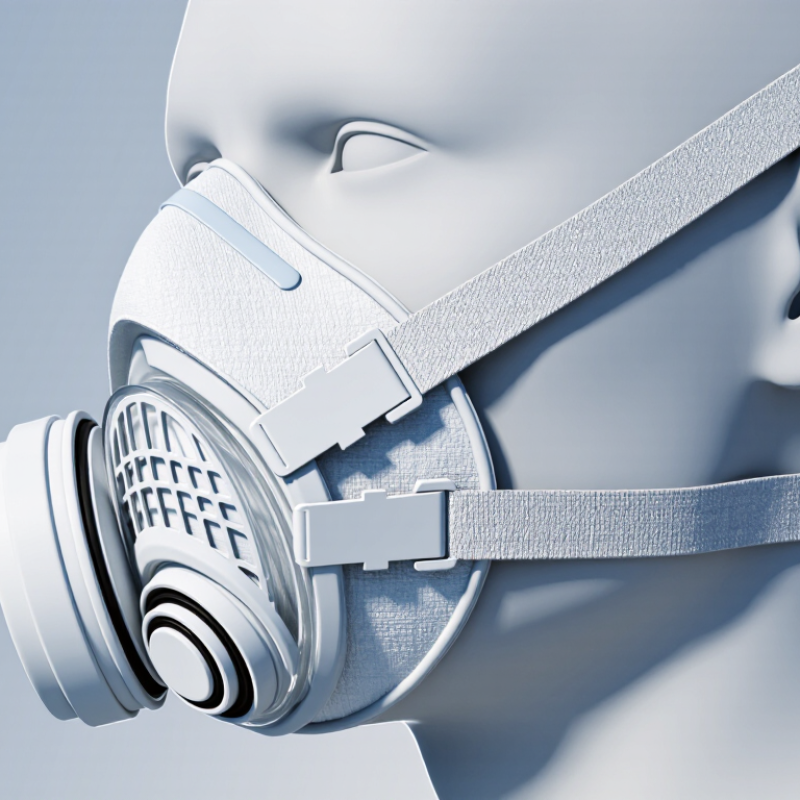
A p95 mask is a specialized particulate respirator designed to filter at least 95 percent of airborne particles. The “P” rating also indicates resistance to oil-based aerosols. This makes it different from ordinary cloth coverings and many loose surgical masks. It does not protect against every gas, vapor, or chemical hazard.

Dr. John Howard, former Director of the National Institute for Occupational Safety and Health, explains the core principle clearly: “Protection depends on proper fit and correct use.” That sentence is easy to overlook. Fit matters. A p95 mask must seal closely around the nose, cheeks, and chin. Facial hair, glasses, sweat, or damaged straps can create small gaps. Those gaps may allow unfiltered air to enter, even when the filter material performs well in laboratory testing.

This guide will explain how a p95 mask captures particles, why its electrostatic filter layer matters, and how users can check the seal before entering dusty environments. It will also discuss markings, replacement concerns, storage, and practical limitations. A brief fit check is useful, but it is not the same as professional fit testing. That distinction matters in workplaces with serious airborne hazards.

Real-world use is less perfect than product descriptions suggest. People touch the mask, loosen straps, or wear it below the nose. These habits reduce protection. Understanding the technology helps, but careful behavior completes the protection.
What Is a P95 Mask and How Does It Work?

Definition and Purpose of a P95 Mask

A P95 mask is a particulate respirator designed to filter workplace particles. Under NIOSH certification requirements in 42 CFR Part 84, it must remove at least 95% of test particles. The “P” rating means the filter is strongly resistant to oil-based aerosols. This makes it different from an N95 respirator, which is not oil-resistant. However, P95 protection does not remove gases or vapors. It is intended for particles such as dust, mist, and certain metal fumes.

The number is a laboratory threshold, not a personal guarantee. OSHA’s Respiratory Protection Standard assigns a protection factor of 10 to properly fitted half-mask air-purifying respirators. Fit matters greatly. Facial hair, loose straps, or a damaged seal can allow contaminated air around the filter. A useful detail is the breathing resistance: a clogged filter may feel harder to breathe through, even when it still looks clean. That assumption can be misleading.

Tips: Check the approval marking before use. Press the mask gently against your face and perform a user seal check every time. Replace it when it becomes damaged, dirty, or difficult to breathe through. NIOSH guidance also recommends fit testing for required workplace use. P95 filters are not suitable for oxygen-deficient environments. Even careful users sometimes confuse oil resistance with chemical-vapor protection. They are not the same.
How the P95 Filtration System Works

A P95 is a filtering respirator designed to remove at least 95% of challenging airborne particles during standardized testing. The “P” means it offers some resistance to oil-based particles. It is not automatically suitable for every workplace or exposure.

The filtration system works through several layers of specially formed fibers. Some particles collide with fibers directly. Others are intercepted as air moves around the fibers. Very small particles may also be captured by diffusion and electrostatic attraction. The filter does not simply act like a kitchen sieve. Air can pass through, while many particles remain trapped in the material.

Fit matters just as much. A good filter cannot protect well if air leaks around the nose, cheeks, or chin. Facial hair, a damaged strap, or a wet filter can reduce real-world performance. The 95 rating also does not mean complete protection. I would not treat it as a magic shield. Workplace conditions, exposure levels, and local certification requirements still need careful review.

Tips: Check the respirator’s markings and instructions before use. Press the nose area firmly, then perform a seal check each time. Replace it when breathing becomes difficult, the material is damaged, or contamination is suspected. Never assume one size fits every face. A professional fit test provides stronger evidence than appearance alone.

Understanding Oil Resistance and Particle Protection

A P95 mask is a particulate respirator tested to filter at least 95% of airborne particles. The “P” classification means it is strongly resistant to oil-based aerosols, unlike N-rated filters. NIOSH 42 CFR Part 84 sets the performance test at a flow rate of 85 liters per minute, creating demanding laboratory conditions. This matters in workplaces where cutting, spraying, or machining may produce oily mist.

Oil resistance does not mean vapor protection. A P95 filter can capture many solid and liquid particles, but it cannot reliably remove solvent vapors or other gases. OSHA assigns an assigned protection factor of 10 to properly fitted half-mask air-purifying respirators. Fit remains critical. Gaps around the nose or cheeks can let contaminated air bypass the filter, even when the filter media performs well. A beard, loose strap, or damaged edge may reduce protection.

In practice, check the seal before entering a dusty area. Feel for air leakage near the nose bridge. Replace the respirator when it becomes dirty, damaged, difficult to breathe through, or contaminated with oil. NIOSH certification data supports the filter rating, not careless use. That distinction is easy to miss. A P95 may be the wrong choice for a vapor hazard, and real workplaces are often messier than laboratory tests.

Sources: NIOSH, 42 CFR Part 84; OSHA, Respiratory Protection Standard, 29 CFR 1910.134.

Proper Fit, Seal, and Wearing Procedure

A P95 is a tight-fitting particulate respirator, not simply a loose face mask.

It filters at least 95% of airborne particles under standard test conditions. The “P” rating means it resists oil-based particles for limited use. It does not remove gases, vapors, or oxygen-deficient air. Proper protection depends on the seal against your face.

Before wearing it, inspect the material, straps, and nose area.

Do not use it if damaged, dirty, or difficult to breathe through. Clean-shaven skin usually gives the best seal where the respirator touches. Hold it over your nose and mouth, then position the straps according to the manufacturer’s instructions. Press the nose area gently, but avoid crushing the respirator.

Perform a seal check every time.

Cover the filter surface and breathe in gently. The respirator should pull slightly toward your face. Breathe out and check for escaping air around the edges. Fogged eyewear can suggest leakage, but it is not a complete test. A professional fit test is more reliable, especially after changing models, sizes, or facial features.

I once assumed a tight strap meant a secure fit; it only caused discomfort and still allowed leakage near my cheeks. Recheck the seal after speaking, moving, or adjusting the respirator. Small gaps matter. A P95 cannot work properly if it is worn under the chin or repeatedly touched with dirty hands.

Limitations, Maintenance, and Replacement Guidelines

What Is a P95 Mask and How Does It Work?

A P95 mask filters at least 95% of airborne particles under certified testing conditions. The “P” rating means it resists oil-based particles for limited workplace use. It does not remove oxygen, carbon monoxide, or most chemical vapors. That distinction matters. A mask can feel secure while offering the wrong protection.

Fit is a major limitation. Gaps near the nose, cheeks, or chin can allow contaminated air inside. Facial hair often prevents an effective seal. Glasses may fog when the nose area leaks. In practical use, heat, sweat, and difficult breathing can also reduce wearing time. A user may adjust the mask repeatedly. That habit can transfer dirt to the face. Fit testing and a user seal check are more reliable than appearance alone.

Maintenance depends on the design. A disposable P95 filtering facepiece should not be washed, sprayed, or shared. Store it in a clean, dry, breathable container, away from sunlight and crushing. Reusable respirators require cleaning according to their instructions, while filters need separate replacement. Replace the mask when it becomes wet, visibly dirty, damaged, difficult to breathe through, or unable to seal. Loose straps are a warning. Do not rely on a calendar alone, although heavy use may require more frequent changes. I sometimes see people keep a mask because it looks clean. That is not enough. Hidden filter damage and weakened straps can remain unnoticed.

What Is a P95 Mask and How Does It Work?

A P95 respirator is a particulate filter rated by NIOSH to remove at least 95% of test particles and to be strongly resistant to oil-based aerosols. Its effectiveness depends on a proper facial seal, correct use, and timely replacement.

The values show the minimum filtration efficiency specified for the indicated NIOSH filter classes under standardized test conditions.

Limitations, Maintenance, and Replacement

  • Filtration performance does not compensate for an inadequate fit; facial hair, gaps, and incorrect positioning can allow contaminated air to bypass the filter.
  • P95 filters are designed for particulate hazards and do not provide protection against gases or vapors unless specifically combined with an approved chemical cartridge.
  • Inspect the respirator before each use. Replace it if it is damaged, deformed, heavily soiled, difficult to breathe through, or no longer forms a reliable seal.
  • Follow the manufacturer’s instructions and workplace respiratory-protection program for storage, cleaning of reusable components, and replacement intervals. Do not wash disposable filter media.