What is a respirator mask and how does it work?
In today's world, the importance of a respirator mask cannot be overstated. Dr. Jane Smith, a leading expert in respiratory health, emphasizes, "A respirator mask is essential for protecting against airborne hazards." This essential piece of equipment serves to filter out harmful particles and protect the wearer from inhaling toxic substances.
Respirator masks function through a blend of mechanical and electrostatic processes. They are designed to provide a secure fit and create a seal around the face, ensuring that air inhaled passes through a filter system. Often made from multiple layers of specialized materials, these masks are crucial in various environments, from healthcare settings to construction sites.
Despite their effectiveness, not all respirator masks are created equal. Issues like improper fit and maintenance can undermine their protective qualities. Users often underestimate features such as filter type and replacement frequency. Understanding how a respirator mask works is vital for maximizing safety and effectiveness in hazardous conditions.
Definition and Purpose of Respirator Masks
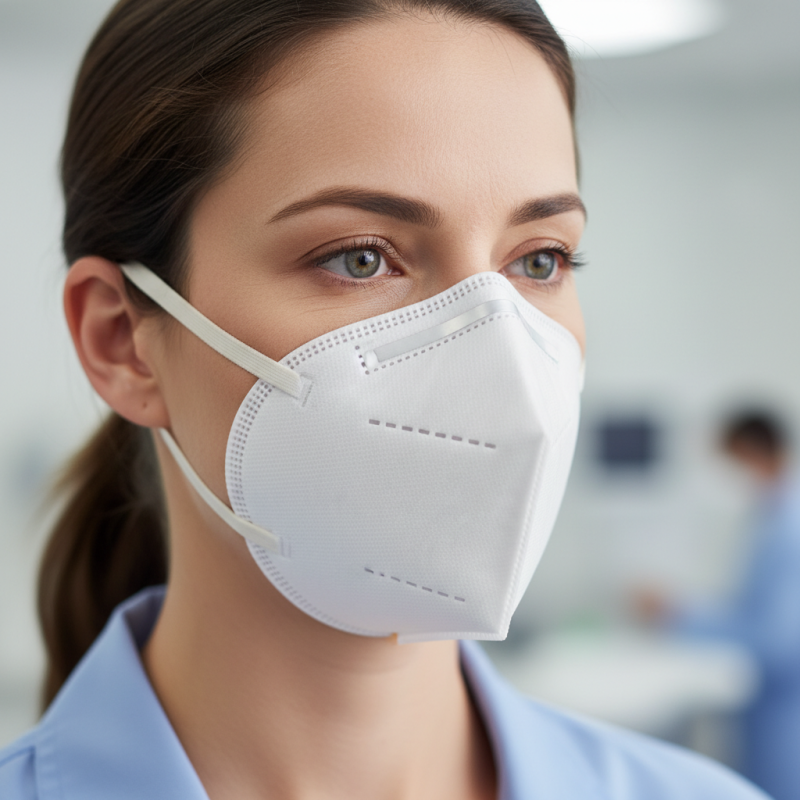
A respirator mask is designed to protect the wearer from inhaling harmful particles. Its primary purpose is to filter out dust, fumes, and infectious agents. Unlike regular masks, respirators create a tight seal around the face. This ensures that air passes through the filter before entering the lungs.
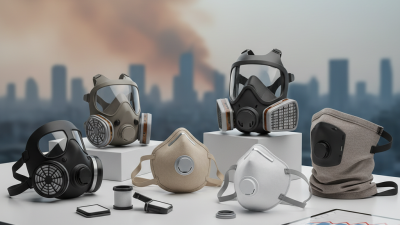
There are different types of respirator masks. Some filter out particles, while others also protect against gases and vapors. The fit is crucial. An improper fit can lead to exposure. It’s vital to ensure a proper seal before use. Regularly inspect the mask for any signs of wear or damage.
Tips: Always read the instructions for your respirator. Understand its limitations. Keep it clean to maintain effectiveness. Use it in well-ventilated areas if possible. Don’t rely solely on masks; combine them with other protective measures.
What is a respirator mask and how does it work? - Definition and Purpose of Respirator Masks
| Dimension |
Details |
| Definition |
A respirator mask is a device designed to protect the wearer from inhaling hazardous airborne particles, gases, or vapors. |
| Purpose |
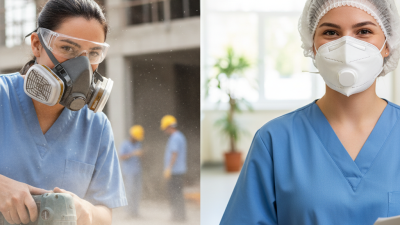
To provide respiratory protection in various environments such as construction sites, healthcare facilities, and chemical handling. |
| Types |
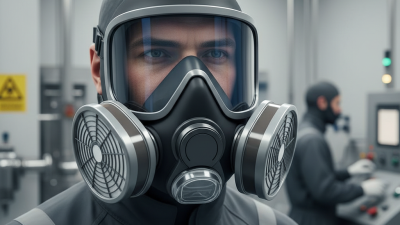
N95 masks, Half-mask respirators, Full-face respirators, Powered Air-Purifying Respirators (PAPRs). |
| How it Works |
Respirators filter out harmful particles and contaminants from the air before they are inhaled by the wearer. |
| Protection Level |
Different respirators offer varying levels of filtration efficiency and protection, often specified by NIOSH standards. |
| Fit Testing |
Fit testing is required to ensure that the respirator provides the intended level of protection by achieving a proper seal. |
| Use Cases |
Used in healthcare for infection control, in industrial settings for protection against dusts and chemicals, and in emergencies for fire or hazardous materials. |
Types of Respirator Masks and Their Applications
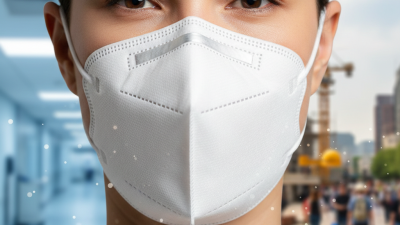
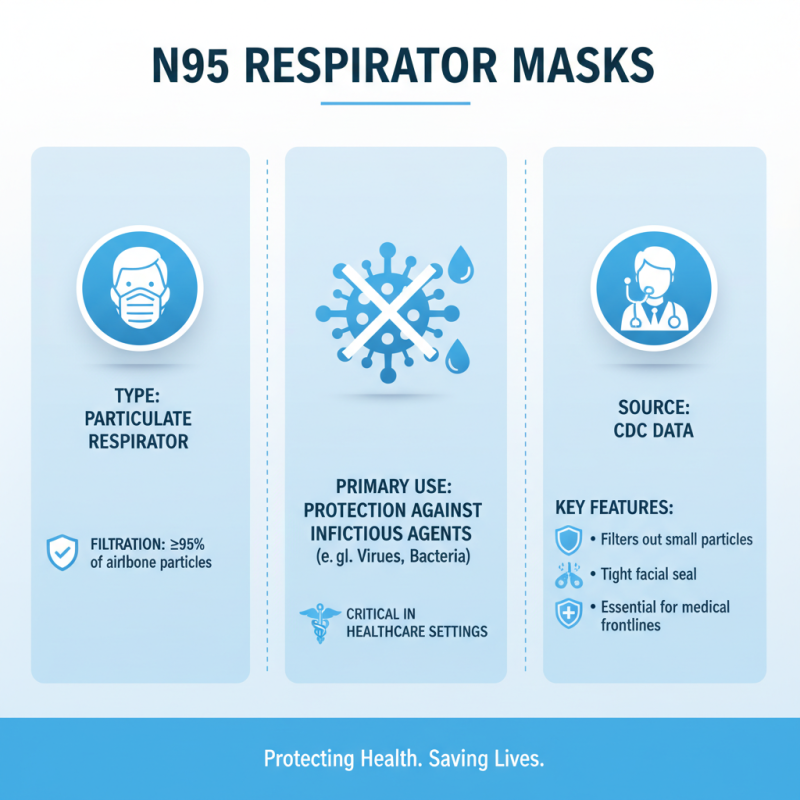
Respirator masks come in various types, each designed for specific applications. The N95 masks are among the most well-known. They filter out at least 95% of airborne particles. Data from the CDC indicates they are vital in healthcare settings to protect against infectious agents.
Another common type is the elastomeric respirator. This mask has replaceable filters and can fit snugly on the face. It is reusable, making it a cost-effective choice for prolonged use. Industrial reports show that these respirators provide superior protection in construction and hazardous material handling.
Powered air-purifying respirators (PAPRs) are also important. They provide a higher level of protection, ideal for environments with high toxicity. According to OSHA, these are increasingly used in healthcare due to their comfort and efficiency. However, the complexity of these devices can be a challenge for proper usage and maintenance. Training is essential but often overlooked. Many users may not realize that fit testing is crucial for optimal performance. Each type has its advantages and limitations that require thoughtful consideration.
Mechanism of Action: How Respirator Masks Filter Air
Respirator masks are essential for protecting individuals from airborne particles. They serve as a barrier between the wearer and the environment. The masks are designed to filter incoming air, capturing harmful substances. This can include dust, pollutants, and microorganisms.
The mechanism of action involves multiple layers of filtration material. These materials work together to trap particles of various sizes. Larger particles are caught in the outer layers, while smaller ones get trapped deeper inside. The tight fit of the mask also plays a crucial role in its effectiveness. Air should enter through the filter and not around the edges.
Despite their benefits, respirator masks can be uncomfortable. They may cause difficulty in breathing for some individuals. Proper fit and adjustment is essential. Misalignment can reduce their protective capabilities. Individuals often need practice to wear them correctly. Over time, discomfort may lead to inconsistent usage. It's important to address these factors for optimal protection.
Important Features and Standards of Respirator Masks
Respirator masks are essential in various industries. They offer protection against airborne particles, chemicals, and other harmful substances. The effectiveness of these masks is measured by specific standards. Organizations like the National Institute for Occupational Safety and Health (NIOSH) assess respirators for safety and efficiency.
One key standard is the N95 rating. According to the CDC, N95 respirators filter out at least 95% of airborne particles. This makes them crucial in healthcare settings. Proper fit testing is also vital. A poorly fitting mask renders it ineffective. Some studies suggest that improper use significantly lowers a mask's protective capabilities.
Material quality matters too. Masks made of multiple layers improve filtration. A report by the World Health Organization noted that masks constructed from non-woven polypropylene fabric offer higher protection. Respirator masks vary in design, impacting comfort and usability. Users often neglect to replace filters regularly, which can compromise safety. Awareness of these issues is essential for effective mask utilization.
Proper Usage and Maintenance of Respirator Masks
Respirator masks are essential for protection against airborne hazards.
Proper usage is crucial for their effectiveness. According to the
National Institute for Occupational Safety and Health (NIOSH),
improper fit can reduce mask efficiency by up to 60%.
Users must ensure a snug fit to avoid leaks.
Facial hair can compromise this seal, limiting protection levels significantly.
Maintenance is equally important.
Cleaning and storing respirators properly can extend their lifespan.
The American National Standards Institute (ANSI)
recommends cleaning reusable masks after each use.
Using mild soap and water, followed by air drying, can prevent bacterial contamination.
However, many overlook these maintenance steps.
Frequent inspections are necessary for monitoring wear and tear,
as damages might not be easily visible.
Remember, not all respirators are created equal.
Some may filter out particles but fail to protect against gases.
It's essential to select the right type per the environment.
Training on usage is often neglected, leading to misuse.
This gap in knowledge can have dire consequences.
Awareness of how these masks work is vital for safety,
but many still lack understanding.