[wpml_language_selector_widget]

What Is a Safety Mask and What Type Do You Need?

A safety mask is more than a barrier over your nose and mouth. It is protective equipment selected for a specific workplace hazard. Dust, smoke, chemical vapors, and infectious particles require different levels of protection. Choosing the wrong mask can create false confidence. That mistake deserves attention.

In a workshop, fine dust may settle on a workbench within minutes. A properly fitted particulate respirator can reduce inhalation risks when used correctly. However, it may not protect against gases or vapors. Disposable masks, reusable half-face respirators, and full-face respirators each serve different purposes. The right choice depends on the hazard, exposure time, airflow, and required fit. Always read the manufacturer’s instructions and consult a qualified safety professional when risks are uncertain.

Fit matters greatly. Even a high-quality safety mask may fail around facial hair, loose straps, or damaged seals. Check the mask before use. Breathe normally. Notice unusual odors, breathing resistance, or gaps around the face. Replace worn components promptly. Small details matter.

No mask solves every problem. Ventilation, safer materials, training, and protective clothing may also be necessary. Standards and workplace guidance can support a reliable decision, but labels should never replace practical assessment. People sometimes choose comfort over protection, especially during long tasks. I understand why, but that choice can be risky. The best safety mask is not simply the most expensive option. It is the one matched to the hazard, fitted to the user, and used consistently.
What Is a Safety Mask and What Type Do You Need?

What a Safety Mask Is and What It Protects Against

A safety mask is protective equipment worn over the nose and mouth. It helps reduce exposure to airborne hazards during work, cleaning, construction, or emergency response. However, “safety mask” is a broad term. Different designs protect against different threats.

Some masks reduce inhalation of dust, mold particles, smoke, and other suspended particles. Others help limit exposure to droplets and splashes. Respirators with suitable filters may protect against specific gases or vapors. No single mask blocks everything. A filter designed for particles may not remove chemical vapors. It may also fail in an oxygen-deficient environment.

Fit matters as much as the filter. Air can enter through gaps around the cheeks, nose, or chin. I have seen people adjust a mask repeatedly because the seal felt uncomfortable. That small problem can become a serious weakness. Facial hair, damaged straps, and poor sizing can also reduce protection. A user should check the seal according to the manufacturer’s instructions before entering a hazardous area.

Choose protection based on the actual hazard, its concentration, and the length of exposure. Workplace assessments and qualified safety professionals provide better guidance than guesswork. Replace a mask when it becomes damaged, dirty, difficult to breathe through, or unsuitable for the task. Comfort matters, but it should never replace verified protection. Even careful users can misunderstand labels. Rechecking the hazard is worthwhile.
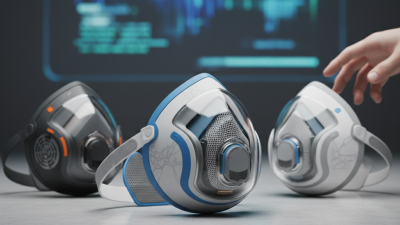
How Safety Masks Work and Where They Are Used

A safety mask helps reduce exposure to hazards people may breathe in, but no single mask protects against everything. A disposable filtering mask can capture certain airborne particles, such as dust from sanding or droplets in a care setting. Masks with suitable cartridges may protect against specified gases or vapors. The hazard must be identified before choosing one. Fit matters. Gaps around the nose or cheeks can let contaminated air bypass the filter, so facial hair and movement may affect protection.

Masks are used in workshops, construction areas, healthcare settings, laboratories, and during some cleaning tasks. The right choice depends on what is in the air, how much is present, and how long exposure lasts. A loose-fitting medical mask, for example, is not the same as a tight-fitting respirator; it may help limit splashes or reduce spread but does not provide the same seal. Check the product’s approved use, replace filters as directed, and follow workplace fit-testing and training procedures where applicable. Ventilation and safer work methods matter too. In real workplaces, the choice can feel less tidy than a chart suggests. A mask that seems comfortable during a quiet moment may shift when someone bends, sweats, or speaks.

What Is a Safety Mask and What Type Do You Need? - How Safety Masks Work and Where They Are Used

Type How It Works Common Uses Key Limits and Selection Notes
Disposable filtering facepiece respirator (N95) Filters airborne particles when properly fitted and worn. In the United States, NIOSH-approved N95 respirators are tested to filter at least 95% of airborne particles in the certification test. Dusty tasks, some healthcare settings, and other work where particle hazards are identified and an N95 is suitable. Does not protect against gases or vapors, and is not suitable for oxygen-deficient atmospheres. Workplace use may require medical evaluation, fit testing, and training under applicable regulations.
Other particulate respirators (for example, N99 or P100) Uses a filter rated for particle filtration. Under the U.S. NIOSH classification system, N99 filters at least 99% and P100 filters at least 99.97% of airborne particles in certification testing. Tasks with particle hazards that call for a higher filter efficiency or a particular filter class, as determined by a hazard assessment. A higher filtration rating does not guarantee a better fit or make a respirator suitable for every hazard. These filters do not remove gases or vapors.
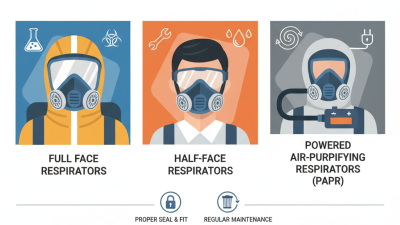
Elastomeric half-mask respirator A reusable facepiece seals around the nose and mouth and holds replaceable filters, cartridges, or approved combinations selected for the hazard. Some industrial, maintenance, and construction work involving particles, gases, or vapors when the correct approved filters or cartridges are used. The facepiece covers only the nose and mouth, so it does not protect the eyes. Cartridge selection and replacement schedules matter; it must seal properly. Not for oxygen-deficient atmospheres.
Elastomeric full-facepiece respirator A reusable, tight-fitting facepiece covers the eyes as well as the nose and mouth and uses hazard-appropriate filters or cartridges. Work requiring respiratory protection and eye protection from certain airborne contaminants or splashes, subject to the respirator’s approval and use conditions. Requires a suitable seal and correct cartridge selection. Facial hair at the sealing surface can interfere with fit. Not for oxygen-deficient atmospheres unless specifically designed and approved for that use.
Powered air-purifying respirator (PAPR) A battery-powered blower moves air through compatible filters or cartridges and supplies it to a hood, helmet, or facepiece. Selected workplaces where an approved PAPR configuration suits the hazard, task, and wearer’s needs. Protection depends on the complete approved configuration, correct filter or cartridge, airflow, and battery condition. Most PAPRs do not supply oxygen and are not for oxygen-deficient atmospheres.
Surgical or procedure mask A loose-fitting barrier designed mainly to limit the wearer’s sprays or droplets and help protect against certain splashes, depending on its construction and intended use. Healthcare and care settings where a medical mask is specified for source control or splash protection. It does not form the tight face seal of a respirator and should not be treated as equivalent respiratory protection against airborne hazards.
Cloth face covering A fabric covering can reduce the spread of respiratory droplets in some circumstances, but its performance varies with material, layers, fit, and condition. General public settings where a face covering is recommended or required by local guidance. Not a substitute for a certified respirator where workplace respiratory protection is required. It is not designed to protect against hazardous dusts, gases, or vapors.

Choosing safely: Identify the hazard and exposure level first, then select equipment approved for that hazard and follow its instructions. In workplaces, a respiratory protection program may require medical evaluation, fit testing, training, maintenance, and a suitable cartridge or filter. No tight-fitting respirator seals properly over facial hair where it contacts the face.

The Main Types of Safety Masks and Their Features

Safety masks are not interchangeable. The right type depends on what is in the air, how long exposure lasts, and how well the mask fits. No mask covers every hazard.

Disposable Particulate Respirators

Disposable particulate respirators filter airborne particles such as dust and certain fine aerosols. Their lightweight design suits many short tasks, but a poor seal can let contaminated air pass around the edges.

Check the fit each time you wear one. Fit matters most. A surgical-style mask can help limit splashes and droplets, but it is not a substitute for a properly selected respirator against hazardous airborne particles.

Reusable Elastomeric Respirators

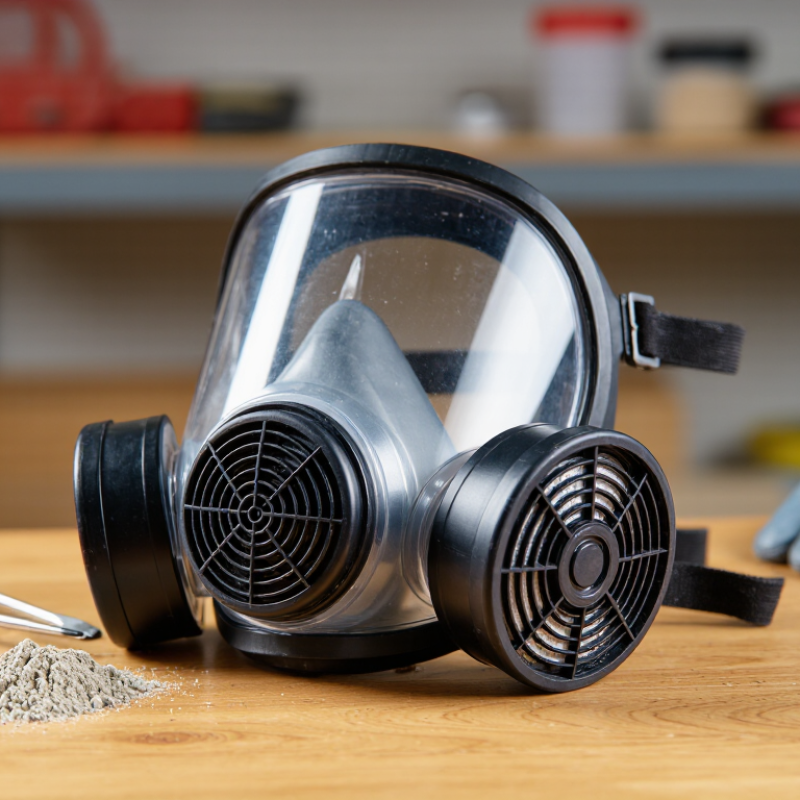
Reusable elastomeric respirators use a snug facepiece with replaceable filters or cartridges. Particulate filters target particles, while suitable cartridges address specific gases or vapors; one type does not automatically protect against the other.

Full-face models also cover the eyes, which may help where splashes are possible.

Powered Air-Purifying Respirators

Powered air-purifying respirators move filtered air through a hood or facepiece and can be useful for some users who struggle with tight-fitting masks. They are bulkier and need charging and maintenance.

How to Match a Mask to Specific Workplace Hazards

What Is a Safety Mask and What Type Do You Need?
How to Match a Mask to Specific Workplace Hazards

A safety mask is not a universal shield. Start by identifying the hazard, its concentration, and how it enters the body. A disposable filtering facepiece can help control airborne particles, such as dust or certain aerosols, but it does not protect against gases or vapors. Those hazards may require a respirator with a compatible cartridge. For oxygen-deficient or unknown environments, ordinary air-purifying respirators are not appropriate. A NIOSH estimate puts the number of U.S. workers required to wear respirators at about five million, underscoring how varied workplace needs can be.

Match the device to the actual task: sanding creates fine particles; solvent use can release vapors; welding may produce fumes and gases. Check the product’s approved use and the safety data sheet, then have a qualified safety professional assess exposure. OSHA assigns a protection factor of 10 to a properly used half-mask air-purifying respirator under a compliant respiratory-protection program. That figure is not a guarantee for every wearer or hazard. Fit matters: facial hair under the seal, a poor size, or an incompatible cartridge can undermine protection. A neat label can mislead; selection is rarely that tidy.

Tips: Check the seal each time you wear a tight-fitting respirator, and replace filters or cartridges according to the exposure and manufacturer’s instructions. Fit testing and training matter. If the hazard is unclear, pause and ask for an exposure assessment rather than guessing. Sources: NIOSH respirator guidance; OSHA Respiratory Protection Standard, 29 CFR 1910.134.

What Is a Safety Mask and What Type Do You Need?

Match respiratory protection to the workplace hazard, exposure level, and required fit.

How to read this chart: Assigned Protection Factor (APF) indicates the level of protection a respirator is expected to provide when properly selected, fitted, and used within a respiratory protection program. APF is not a filter-efficiency percentage. N95 filtering facepiece respirators filter particles, not gases or vapors; other hazards may require different filters or cartridges. A qualified assessment must determine the appropriate respirator for the specific contaminant and conditions.

How to Wear, Maintain, and Replace a Safety Mask

A safety mask helps reduce exposure to airborne particles, but only when it suits the hazard and fits correctly. Check workplace guidance and the mask’s instructions before use. Wash your hands, then inspect the mask for tears, damaged straps, dirt, or a misshapen nosepiece. Place it over your nose and mouth, secure the straps, and adjust the nosepiece without leaving gaps at the edges. Fit matters. For a tight-fitting respirator, follow the supplied seal-check steps each time you put it on. Facial hair or glasses pressing against the seal can affect the fit.

Keep reusable masks clean and dry, following the maker’s cleaning instructions; different materials need different care. Disposable masks should not be washed or reused unless their instructions specifically allow it. Store masks in a clean, dry place, away from dust and crushing. Replace a mask if it becomes wet, damaged, difficult to breathe through, or visibly soiled. Follow the stated replacement schedule for filters and other parts. A mask can look fine and still fit poorly, so check the seal again after adjusting it. It is an easy step to rush. Don’t.