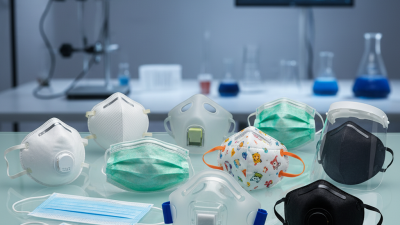
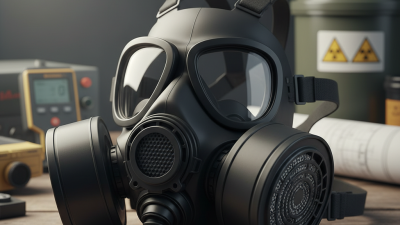
What is a surgical mask and how does it protect you?
In recent years, the surgical mask has become a vital tool for public health. This simple piece of equipment has a significant role in preventing the spread of infectious diseases. A surgical mask acts as a barrier, blocking droplets from the mouth and nose. Many people underestimate its importance.
When worn correctly, a surgical mask can reduce the risk of transmission during conversations and coughs. Healthcare professionals rely on these masks in hospitals and clinics. Yet, the general public often does not understand their full potential. A mask alone is not enough; proper usage and hygiene are crucial.
It is interesting to note that not all masks provide the same level of protection. Some masks may not fit well, leading to gaps that allow air to escape. This highlights the need for awareness and education around the proper use of surgical masks. While they offer considerable protection, reliance on them should be paired with other preventive measures. Understanding their role can empower individuals to take control of their health.

What is a Surgical Mask? Definition and Types Explained
Surgical masks are vital tools in promoting health and safety. They are defined as disposable masks used primarily in medical settings. Their design includes a multilayer structure, which effectively filters out particles and pathogens. There are various types of surgical masks. Some have extra protection layers, while others provide basic filtration.
These masks protect users by creating a barrier against germs and respiratory droplets. When someone coughs or sneezes, the mask helps capture these droplets, reducing the risk of infection. It’s interesting to note that if a mask fits poorly, its effectiveness decreases. Proper fit is crucial for the mask to function as intended.
While surgical masks provide essential protection, they are not flawless. Some people find them uncomfortable, leading to fidgeting or adjustment. Regular users might experience skin irritation if worn for extended periods. Additionally, there's a need for awareness that masks alone do not guarantee complete safety. They are part of a broader strategy to reduce transmission of infectious diseases.
Effectiveness of Surgical Masks in Different Settings
This chart illustrates the effectiveness of surgical masks in various settings, highlighting their role in reducing the transmission of airborne particles and protecting individuals from potential infections.
The Role of Surgical Masks in Infection Control: A Statistical Overview
Surgical masks play a crucial role in infection control. They are designed to protect both the wearer and those around them. These masks filter out large respiratory droplets that may contain viruses and bacteria. Studies indicate that wearing surgical masks reduces the transmission of respiratory infections. In healthcare settings, their effectiveness is vital. Health professionals often rely on them to maintain a sterile environment.
Statistical data reveals that surgical masks can reduce infection rates significantly. One study showed a 70% decrease in virus spread in controlled environments. However, the effectiveness of masks can vary based on proper usage. Incorrectly worn masks may not offer the expected protection. It’s essential to ensure that masks cover both the mouth and nose adequately.
Despite their advantages, surgical masks are not a complete solution. Other preventive measures, such as hand hygiene, are equally important. Awareness of the limitations of surgical masks can enhance their effectiveness. While they offer substantial benefits, reliance solely on them can lead to complacency. Balancing mask usage with other health protocols is key to comprehensive infection control.
How Surgical Masks Filter Airborne Particles: Mechanisms and Efficacy
Surgical masks are designed to protect both the wearer and those around them. They act as a barrier against airborne particles. These particles can carry viruses and bacteria, making the mask essential in healthcare settings. The primary mechanism involves filtering out larger droplets. This helps reduce the risk of respiratory infections.
Masks are made from multiple layers of fabric. The outer layer repels moisture, while the inner layers trap tiny particles. Studies suggest that a properly fitted surgical mask can block up to 95% of airborne particles. However, fit and seal are crucial for maximum efficacy. If the mask is loose, the protection diminishes significantly.
While surgical masks are effective, misuse can reduce their benefits. For example, touching the mask frequently can compromise its effectiveness. Moreover, masks must be discarded after use. Keeping a mask for too long can lead to contamination. Awareness of these factors is important for optimizing protection. Understanding the limits of surgical mask efficacy helps users make informed choices in various environments.
Key Guidelines for Proper Use of Surgical Masks in Healthcare Settings
Surgical masks are vital in healthcare settings. They provide a barrier to respiratory droplets, which can carry viruses and bacteria. A study by the CDC found that proper use of surgical masks reduces the risk of COVID-19 transmission by up to 80%. This emphasizes the importance of correct usage among healthcare workers.
Key guidelines for using surgical masks include proper fit and regular replacement. Masks should cover both the nose and mouth snugly. They should also be changed when wet or after prolonged use. Research highlights that masks lose their effectiveness over time, particularly in challenging environments. Inconsistent mask use in hospitals can lead to increased infection rates, impacting patient care.
Healthcare professionals need training on mask protocols. A report from WHO indicates that inadequate mask training can result in misuse. This misuse compromises their protective capabilities. Not every mask is equal; awareness about the specific context of mask use is crucial. Keeping up-to-date with guidelines ensures optimal infection control measures.
Limitations of Surgical Masks: When They May Not Provide Adequate Protection
Surgical masks serve as a crucial barrier in healthcare settings. However, their protection has limitations. For instance, surgical masks primarily filter large respiratory droplets but may not effectively block smaller airborne particles. According to a report from the CDC, surgical masks have a filtration efficiency of around 60-80% against such droplets. In high-risk situations, relying solely on surgical masks might give a false sense of security.
They are also designed for single use. Reusing them can compromise their effectiveness. A study published in a reputable medical journal showed that reused masks can harbor pathogens, negating their protective role. Always take care to discard masks properly after use to minimize infectious risks.
When in crowded or poorly ventilated spaces, consider combining masks with other protective measures. Maintaining physical distance is essential. Avoid touching your face, especially the mask area. Awareness of the limitations of surgical masks helps in making informed decisions about personal safety. Always check the latest guidelines from health authorities to stay updated on best practices.
What is a surgical mask and how does it protect you? - Limitations of Surgical Masks: When They May Not Provide Adequate Protection
| Dimension |
Details |
| Purpose |
To provide a barrier against respiratory droplets and reduce exposure to infectious agents. |
| Filtration Efficiency |
Typically filters out 60-80% of particles in the air, depending on the material and fit. |
| Usage Scenarios |
Healthcare settings, public transport, and crowded places during an outbreak. |
| Limitations |
May not fit snugly, only filter large droplets, and do not provide complete protection. |
| Recommended Use |
Best combined with hand hygiene and physical distancing for maximum effectiveness. |
| Types |
Medical masks, non-medical masks, and disposable masks, each with varying levels of protection. |