[wpml_language_selector_widget]

7 Tips for Choosing a P2 Respirator Mask

Choosing the right p2 respirator mask requires more than comparing prices or trusting attractive packaging. A P2 respirator is designed to filter fine airborne particles, including dust, smoke, and some aerosols. It does not protect against every gas, vapor, or oxygen-deficient environment. That distinction matters. A mask can look professional and still fit poorly.

This guide presents seven practical tips for making a safer, better-informed choice. It considers filtration classification, face seal, comfort, breathing resistance, and product authenticity. Fit is especially important. Gaps around the nose or cheeks can allow contaminated air to bypass the filter. Facial hair may also prevent a reliable seal. Small details matter. A mask that causes pressure behind the ears may be removed too often, reducing its real-world value.

The discussion also covers packaging checks, correct storage, replacement, and manufacturer instructions. P2 classifications can vary by region, so users should confirm the relevant local standard before purchasing. Workplace users should follow their employer’s risk assessment and fit-testing procedures. For home use, clear instructions remain essential. One easy mistake is assuming that a higher price guarantees better protection. It does not. The best choice balances certified performance, proper fit, practical comfort, and the hazards present. No respirator works perfectly when worn carelessly, and that is worth remembering.
7 Tips for Choosing a P2 Respirator Mask

Understand the Purpose and Protection Level of a P2 Respirator

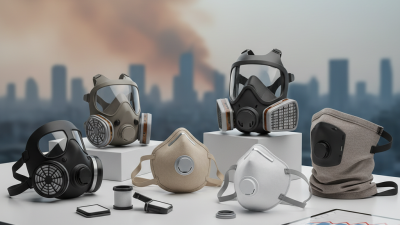
A P2 respirator is designed to reduce exposure to airborne particles, including dust, mist, and some fine aerosols. It does not protect against gases or vapours. Understanding this limit matters before choosing one. A mask may feel secure, yet still provide weak protection if its purpose does not match the hazard. Check the task, material, and expected exposure level carefully.

Tip: Look for a clearly stated P2 classification and follow the relevant local safety standard. Do not rely on appearance alone. During fitting, press the mask firmly around your nose and cheeks, then check for air leaks. Facial hair, glasses, sweat, or movement can affect the seal. In practical use, a leaking edge near the nose is easy to notice in cold air. It should not be ignored.

Tip: Choose a suitable size and shape, then test comfort before extended work. The respirator should stay in place while speaking, bending, and turning your head. Replace it when breathing becomes difficult, the material is damaged, or contamination is visible. P2 protection is not perfect. I have seen people adjust a mask repeatedly because it was uncomfortable, which can create new gaps. Fit testing and workplace guidance remain more reliable than guesswork. Check the instructions each time, especially when conditions change.
7 Tips for Choosing a P2 Respirator Mask

Understand the Purpose and Protection Level of a P2 Respirator

Under AS/NZS 1716, a P2 filter has a minimum filtration efficiency of 94% for tested particulate aerosols. P2 respirators are designed for particles such as dust, mist and smoke, but they do not filter gases or vapours. Protection also depends on correct fit, a proper seal and following the applicable local standard.

Check the Mask’s Fit, Seal, and Adjustable Features

7 Tips for Choosing a P2 Respirator Mask

A P2 respirator works properly only when it fits your face. Choose a size that covers your nose, mouth, and chin without pressing painfully. Check the mask’s seal before entering dusty or smoky areas. Place both hands over the mask, then breathe in gently. The mask should pull slightly inward. Air should not leak around your cheeks, nose, or chin. Facial hair can interrupt the seal, even when the mask feels comfortable.

Tip 1 Try different shapes and sizes. A mask that suits one face may fail on another.

Tip 2 Adjust the nose clip firmly across the bridge of your nose. Press from the centre outward.

Tip 3 Check the straps for steady tension. They should hold the mask close, not cause headaches.

Tip 4 Move your head, speak, and bend forward. Watch for gaps. Real movement reveals problems.

Do not rely on comfort alone. A loose mask may feel easier to wear, but protection can drop quickly. Replace the mask if it becomes damp, damaged, or difficult to breathe through. Recheck the seal each time you put it on.

I once noticed a small side gap only after turning my head sharply. That detail changed my fitting routine. Fit checks are simple, but they are easy to rush. Take a few extra seconds.

Compare Comfort, Breathability, and Wearing Duration

7 Tips for Choosing a P2 Respirator Mask

Comfort matters when a P2 respirator must stay on for hours. During dusty maintenance work, I noticed pressure behind my ears before breathing became difficult. A softer strap helped, but only when the mask still sealed around my nose and cheeks. Fit comes first. Choose an adjustable nosepiece and check for gaps while moving, speaking, and looking down. Facial hair can prevent a reliable seal, even when the mask feels comfortable.

Breathability depends on the filter design, facial fit, humidity, and your workload. A mask that feels easy in a shop may feel restrictive during climbing or heavy lifting. Try it while walking and talking. Do not guess. If breathing resistance increases, stop and inspect the mask. Moisture from warm breath can also make a mask unpleasant sooner than expected. Some models include valves, but workplace rules may restrict their use because exhaled air is not filtered.

Wearing duration should follow the product instructions and local workplace guidance, not a fixed internet number. Replace the mask when it becomes wet, damaged, dirty, difficult to breathe through, or unable to maintain its seal. I have sometimes kept a mask too long because it looked clean; that was poor judgment. Store unused masks away from dust, heat, and crushing pressure. P2 classifications can differ by country, so verify the relevant standard and consult a qualified safety professional when exposure risks are uncertain.

Verify Standards, Certification, and Product Authenticity

7 Tips for Choosing a P2 Respirator Mask

Verify Standards, Certification, and Product Authenticity

A P2 respirator should carry clear compliance information, not vague safety claims. Check the packaging for the applicable standard, certification reference, model number, and manufacturer details. These markings should match the documents supplied with the product. Check the details. A printed logo alone proves very little.

Examine the mask itself before use. Its model identification, batch code, and packaging information should remain consistent. Look for accurate printing, sealed packaging, strong straps, and a clean, undamaged filter surface. Compare the certification details with an official regulator or standards database when possible. Do not guess. A seller’s description is not independent evidence.

Fit also affects real protection. Press the mask over your nose and mouth, then adjust the straps evenly. Check for gaps around the cheeks, nose bridge, and chin. Facial hair, glasses, and movement can weaken the seal. In practical testing, people often focus on the label and forget fit. I would question that habit. Certification applies to the tested design, not every damaged, altered, or poorly fitted mask. Keep purchase records and inspect each mask before wearing it. If the documentation conflicts, pause and seek advice from a qualified safety professional.

Choose the Right Design, Size, and Maintenance Requirements

7 Tips for Choosing a P2 Respirator Mask

Choose a design that seals comfortably around your nose, cheeks, and chin. Tip 1: Select a certified P2 respirator for fine airborne particles, not gases or vapours. Tip 2: Prefer adjustable straps and a flexible nose bridge. Tip 3: Check whether glasses, hearing protection, or facial hair disrupts the seal. Small gaps matter.

Size should be tested, not guessed. Tip 4: Follow the fitting instructions carefully, then perform a user seal check every time. Cover the filter surface and breathe in gently. Air should not leak around the edges. Tip 5: If the mask feels tight, painful, or constantly slips, try another size or design. I have noticed that comfort is often treated as cosmetic, but discomfort encourages poor wear.

Maintenance affects protection. Tip 6: Replace the respirator when it becomes damp, dirty, damaged, or difficult to breathe through. Tip 7: Store reusable components in a clean, dry container away from heat and dust. Never place a used mask loose in a bag. Follow the manufacturer’s instructions and workplace risk assessment. A competent safety professional can confirm whether the chosen design suits the task. Availability may influence decisions, yet convenience should not replace fit or filtration performance.

7 Tips for Choosing a P2 Respirator Mask: Choose the Right Design, Size, and Maintenance Requirements

Tip Selection Dimension What to Check Practical Guidance Key Facts and Requirements
1 Confirm the required protection level Identify whether the hazard consists of dust, mist, fumes, microorganisms, or a combination of particulates. Use a P2 respirator for suitable non-gas particulate hazards when it is selected under the applicable workplace risk assessment. P2 is a particulate-filtering class used in Australia and New Zealand. It is not designed to remove oxygen deficiency, gases, or vapours.
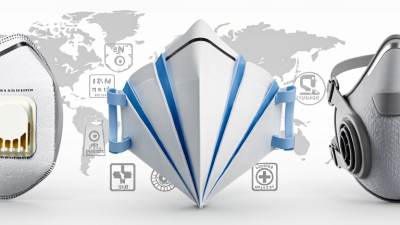
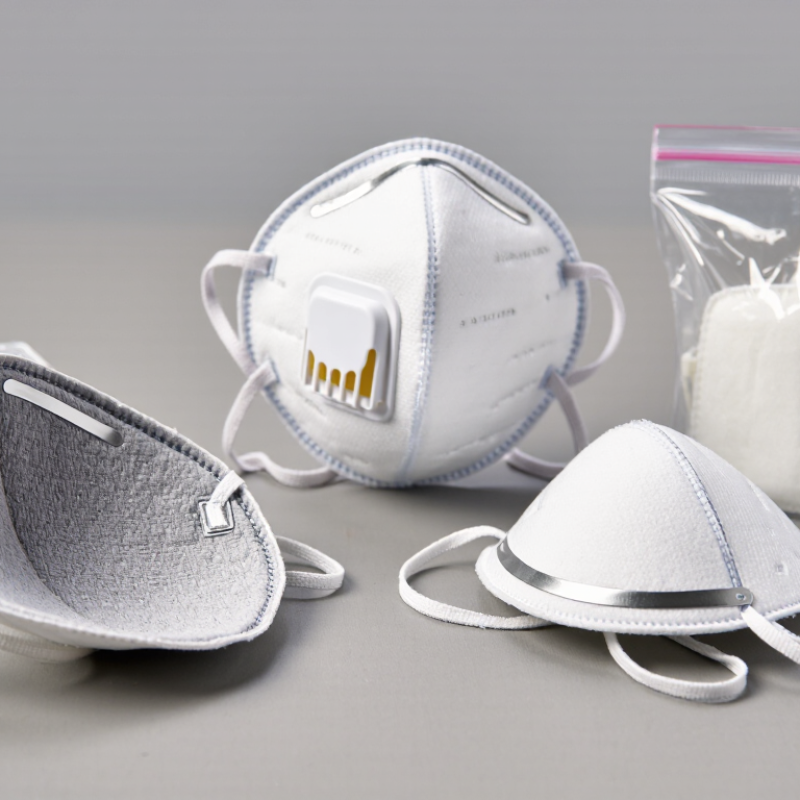
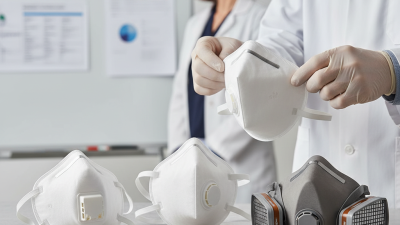
2 Choose the correct respirator design Compare disposable filtering facepieces with reusable half-face respirators fitted with replaceable particulate filters. Select a disposable design for short, low-contamination tasks when permitted. Consider a reusable design for repeated work, higher exposure potential, or easier component replacement. A respirator must cover the nose and mouth and create an effective seal. Reusable designs require compatible filters, cleaning, inspection, and replacement parts.
3 Check certification and markings Inspect the packaging and product markings for the applicable standard, model identification, class marking, and manufacturer instructions. Do not rely on appearance alone. Use only products with clear, traceable compliance information for the jurisdiction and task. For work in Australia or New Zealand, check that the respirator is approved or certified under the applicable requirements, such as AS/NZS 1716 where relevant.
4 Select the right size and shape Assess nose-bridge position, cheek coverage, chin placement, strap position, and whether the mask remains stable during head movement. Try the available sizes and models before purchase. A mask that gaps around the nose, cheeks, or chin should not be used for a tight-fitting application. One size does not fit every face. Facial hair, scars, spectacles, and some protective equipment can interfere with the seal.
5 Perform a seal check every time Complete the manufacturer’s positive- or negative-pressure user seal check after putting on the respirator and before entering the hazard area. Adjust the nose clip, straps, and mask position until the seal check passes. Repeat the check whenever the respirator is repositioned. A user seal check is not a substitute for a formal fit test. Tight-fitting respirators should be fit-tested in accordance with workplace requirements.
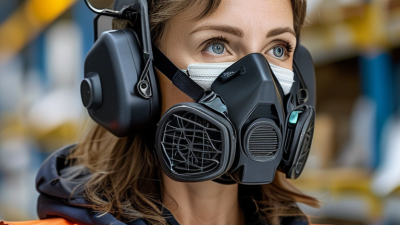
6 Consider comfort and compatibility Evaluate breathing resistance, heat, moisture, strap pressure, speech, visibility, and compatibility with eye or hearing protection. Choose a design that workers can wear correctly for the full task. Schedule breaks and apply workplace controls if heat or breathing difficulty becomes significant. Comfort does not prove protection, but poor comfort can encourage incorrect wearing or removal. Do not modify the respirator or obstruct its valves and filters.
7 Plan cleaning, storage, and replacement Review whether the product is disposable or reusable, how it must be cleaned, where it will be stored, and what damage or contamination requires replacement. Replace disposable respirators when they are damaged, soiled, wet, difficult to breathe through, or no longer maintain a seal. Clean reusable components according to the instructions. Store respirators in a clean, dry place away from direct sunlight, chemicals, crushing, and extreme temperatures. Particulate filters do not remove gases or vapours unless specifically designed and approved for that purpose.
Important: A P2 respirator is only one part of respiratory protection. Follow the applicable occupational health and safety regulations, complete a task-specific risk assessment, and use fit testing, training, ventilation, and other controls where required.