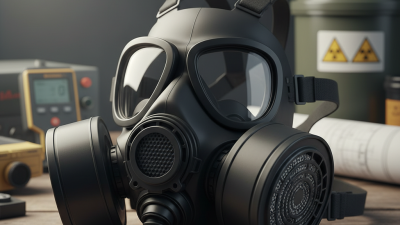
Choosing among China’s top 10 3M gas mask suppliers requires more than comparing prices and product photographs. Global buyers need clear evidence of manufacturing capability, product traceability, and responsible export practices. This introduction examines suppliers through practical purchasing criteria, including factory experience, quality-control procedures, documentation, and after-sales support. It also considers whether a supplier is authorized to represent 3M products or only offers compatible protective equipment. The distinction matters.
Details matter.
A reliable supplier should provide current technical specifications, material information, batch records, and relevant conformity documents. Buyers should confirm whether testing applies to the complete respirator system, filters, valves, and accessories. Product samples can reveal uncomfortable truths, such as uneven seals, unclear markings, or inconsistent packaging. Independent laboratory verification may be appropriate for higher-risk applications. Factory audits, production photographs, and video inspections can add useful evidence, but none should replace document checks or fit testing. Certification alone is not proof of suitability.
This guide does not treat every supplier as equally qualified. Some companies have strong export experience but limited customization capacity. Others communicate quickly yet provide incomplete compliance records. That is not automatically disqualifying, but it deserves careful review. The term 3m gas mask may also create confusion, because buyers must verify trademarks, authorization, and product identity before making claims or placing orders. Procurement teams should check destination-country requirements and consult qualified safety professionals. No supplier list can eliminate every risk. Careful verification remains the buyer’s responsibility.
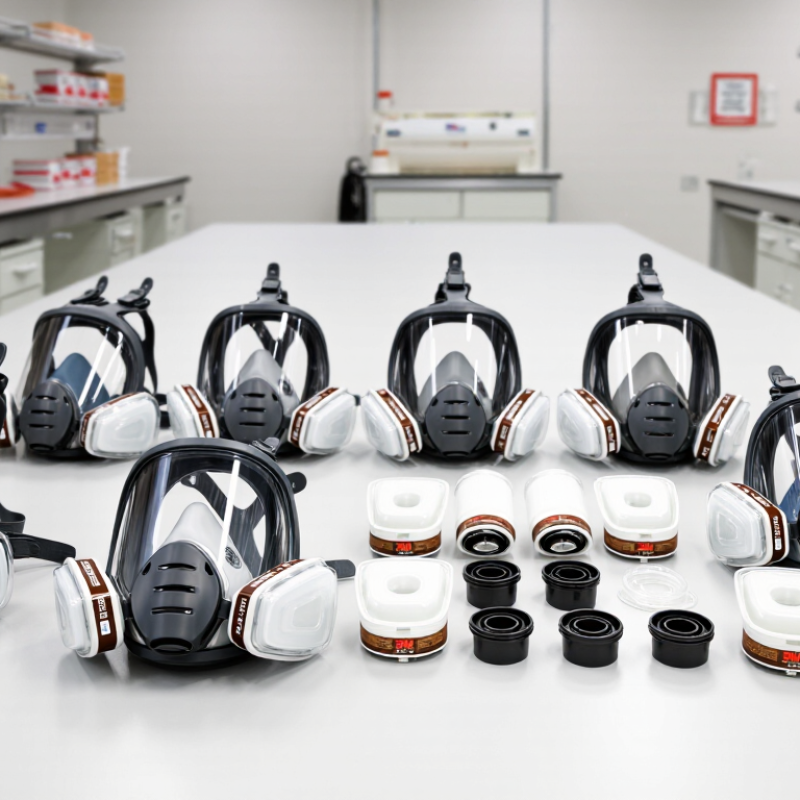
China has become a major source of industrial respirator suppliers because its manufacturing network is broad and closely connected. Mold makers, filter-material producers, packaging firms, and testing laboratories often operate within the same regional clusters. This shortens production cycles and reduces transport between suppliers.
Many Chinese factories provide private-label production, small trial orders, and design adjustments for overseas buyers. Their engineers can modify facepiece shapes, valve structures, straps, and filter housing details. Production lines may include injection molding, silicone forming, assembly, and final inspection. A buyer can often review samples before approving larger quantities. That practical step matters.
Quality is not uniform. Some catalogs promise more than factories can consistently deliver. Buyers should request current test reports, material declarations, batch records, and documented inspection procedures. Factory audits can reveal storage problems, weak traceability, or inconsistent sealing checks. I have found that clear specifications prevent more disputes than attractive product photos. Still, supplier claims require independent verification. Even a well-organized factory may overlook a small defect during a busy shipment period. Fit testing, user instructions, and regional compliance checks remain the buyer’s responsibility. China offers scale and flexibility, but reliable sourcing depends on evidence, communication, and repeated quality control.
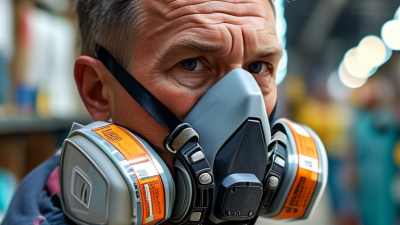
Choosing an authorized gas mask supplier in China requires more than comparing prices. Start with the manufacturer’s official distributor directory or written confirmation. Ask for an authorization letter showing the supplier’s legal company name, product scope, and validity period. The details should match the business license and quotation.
Review technical evidence carefully. Request conformity documents, laboratory test reports, batch numbers, and traceability records. A reliable supplier should explain filter types, storage conditions, shelf life, and inspection procedures clearly. Arrange a video factory audit or an independent inspection before placing a large order. Packaging should show readable labels, production dates, and consistent serial information. A polished website is not proof of authorization. This assumption is easy to make, and it deserves review.
Tips: Ask for samples from current inventory, not specially prepared units. Compare markings, seals, manuals, and test documents. Verify every certificate with the issuing organization when possible. Check response speed, technical accuracy, and after-sales support. If the supplier avoids direct verification, pause the purchase. Also confirm that the products fit your intended workplace risks and local safety requirements. Supplier status can change, so recheck authorization before repeat orders.
China’s top ten gas-mask suppliers increasingly compete through testing, materials, and production control. Their strongest products usually include full-face respirators, reusable silicone seals, adjustable headbands, and replaceable filter systems. Some factories also provide private-label packaging and small-batch customization for overseas buyers. Grand View Research valued the global respiratory protective equipment market at roughly US$7 billion in 2023, showing sustained demand for dependable workplace protection.
Product strength differs across suppliers. Several Chinese manufacturers emphasize low-resistance airflow, wide polycarbonate lenses, and softer sealing edges for long shifts. Others focus on automated molding, incoming-material inspection, and batch traceability. Buyers should verify independent test reports against applicable standards, such as EN 136, EN 143, or relevant national approvals. A catalog claim is not evidence. I have found that suppliers with clear inspection records often communicate more reliably, although documentation can still contain gaps.
Tips: Request samples before volume orders. Check face-fit performance, valve leakage, filter compatibility, and lens clarity. Ask for current certificates, laboratory details, and production dates. Do not judge quality from appearance alone. A mask may feel sturdy yet perform poorly under fit testing. The strongest supplier is not always the cheapest; after-sales replacement support and consistent component availability matter more during repeated procurement.
| Rank | Anonymized Supplier Profile | Primary Product Strength | Typical Product Range | Relevant Standards | Customization Capability | Best Fit for Buyers |
|---|---|---|---|---|---|---|
| 01 | Supplier Profile A | Full-face respiratory protection | Full-face masks, replaceable filters, spare lenses and straps | EN 136; EN 143; GB 2890 | Logo placement, lens options, packaging and color selection | Industrial distributors and workplace-safety programs |
| 02 | Supplier Profile B | Half-mask respirator production | Reusable half masks, particulate filters and filter retainers | EN 140; EN 143; GB 2890 | Mold adjustments, harness configurations and private-label packaging | Construction, painting and general manufacturing |
| 03 | Supplier Profile C | High-volume OEM manufacturing | Half-mask and full-face assemblies with consumable accessories | Applicable EN and GB respiratory-protection requirements | OEM drawings, packaging artwork and batch labeling | Importers requiring scalable production capacity |
| 04 | Supplier Profile D | Chemical and particulate protection configurations | Reusable masks, particulate filters and gas-vapor cartridge options | EN 136; EN 143; EN 14387 | Cartridge selection, harness design and technical documentation | Chemical handling and maintenance contractors |
| 05 | Supplier Profile E | Comfort-focused reusable masks | Lightweight half masks, adjustable headbands and soft sealing components | EN 140; GB 2890 | Face-seal materials, strap layouts and retail packaging | Long-duration workplace use and retail channels |
| 06 | Supplier Profile F | Emergency and industrial full-face equipment | Full-face respirators, panoramic visors and replacement components | EN 136; EN 143; applicable local requirements | Visor treatment, buckle systems and accessory kits | Emergency-response and heavy-industry procurement |
| 07 | Supplier Profile G | Private-label respiratory products | Reusable masks, filters, cartridges and replacement parts | EN 140; EN 143; EN 14387 | Brand-neutral packaging, multilingual manuals and barcode labeling | Regional distributors and e-commerce sellers |
| 08 | Supplier Profile H | Filter and cartridge accessory supply | Particulate filters, gas filters, filter covers and adapters | EN 143; EN 14387; GB 2890 | Filter media selection, connector formats and pack quantities | Aftermarket and replacement-parts buyers |
| 09 | Supplier Profile I | Export-oriented safety equipment | Reusable respirators, protective accessories and user instructions | Applicable EN, GB or destination-market requirements | Multilingual documents, carton design and shipment labeling | Global buyers needing export documentation support |
| 10 | Supplier Profile J | Small-batch and application-specific production | Specialized mask assemblies, replacement parts and sample orders | Standard-dependent; certification requires product verification | Prototype revisions, small-batch packaging and component changes | Testing, pilot projects and niche industrial applications |
Note: Certification availability, test reports, compatibility, minimum order quantities and production lead times should be verified directly with each supplier before purchase. Product compliance depends on the specific model, configuration and destination-market requirements.
Chinese suppliers of industrial respiratory equipment differ sharply in quality, compliance, and production capacity. Buyers should examine evidence, not catalog promises. A reliable factory can provide material specifications, batch records, inspection photos, and current test reports from recognized laboratories.
Quality appears in small details. Check face-seal consistency, valve movement, filter-thread accuracy, strap strength, and odor after packaging. Request samples from different production batches. One sample proves little. Some factories maintain ISO 9001 systems and support destination-market testing, but certification scope must match the exact model. A certificate for another product is not enough.
Compliance needs careful verification. Ask for traceable labeling, user instructions, safety data, and documented quality controls. Requirements vary by country and application. Export experience helps, but it does not replace independent verification. Production capacity also requires practical questions: monthly output, mold ownership, backup suppliers, warehouse conditions, and quality staffing during peak orders. Visit the factory if possible. Look closely.
Large factories may offer stable delivery and automated inspection, while smaller suppliers can provide faster customization. Neither option is automatically better. Some suppliers report impressive capacity yet rely heavily on subcontractors. That can weaken consistency. Lead times should include testing, packaging, and transport preparation. My own caution is simple: price comparisons often ignore rejected units, delayed documents, and replacement costs. A transparent supplier makes those risks visible before the purchase.
Before ordering from China’s top ten 3M gas mask suppliers, global buyers should verify more than price and product photos. A 2024 industry report estimates the global respiratory protection equipment market will grow at roughly 6% annually through 2030. This growth attracts capable factories and weak resellers. Request the manufacturer’s legal registration, factory address, production records, and recent third-party test reports. Check whether the respirator has approval for the exact filter, facepiece, and intended hazard. A certificate for one model cannot validate every model.
Fit matters more than appearance. OSHA’s respiratory protection standard, 29 CFR 1910.134, requires medical evaluation, fit testing, training, and a written program in covered workplaces. Suppliers should explain compatible filter types, service life, storage limits, and replacement schedules. Ask for batch numbers and traceability records. Review test methods against the destination market’s requirements, such as recognized national or regional standards. Independent laboratory verification remains valuable, especially when documents look perfect but lack searchable registration details.
Tips: Order samples first. Test sealing with several face shapes. Inspect valves, straps, threads, packaging, and odor. Confirm carton markings and manuals before mass production. Clarify minimum order quantity, lead time, warranty handling, and rejected-batch procedures. One practical mistake is trusting a certificate without checking its scope. I have seen buyers overlook filter expiration dates. That small detail can disrupt an entire shipment. Keep a written inspection checklist, and let an independent inspector review the final batch before payment.