Top Hazmat Mask Types for Maximum Safety and Protection?
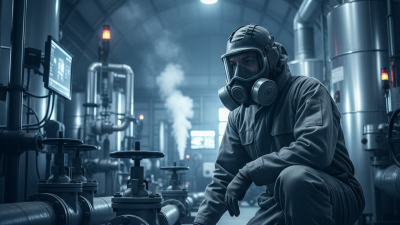
When it comes to safety in hazardous environments, choosing the right hazmat mask is crucial. Workers in industries like chemical manufacturing, emergency response, and environmental clean-up face significant risks. A well-fitted hazmat mask can provide vital protection against toxic substances and harmful airborne particles.
Different types of hazmat masks exist, each designed for specific situations. Some offer full face coverage, while others are more lightweight and portable. The effectiveness of these masks often rests on their filters and sealing mechanisms. However, even the best mask cannot be effective if not properly maintained or used. It’s essential to remember that a mask is only one part of a larger safety strategy.
While many workers rely heavily on these masks, mistakes can happen. Users may underestimate the importance of regular inspections or proper training. A lack of understanding can lead to using a mask that doesn’t fit well or isn't suitable for a particular hazard. This underscores the need for ongoing education and adherence to safety protocols in hazardous environments.
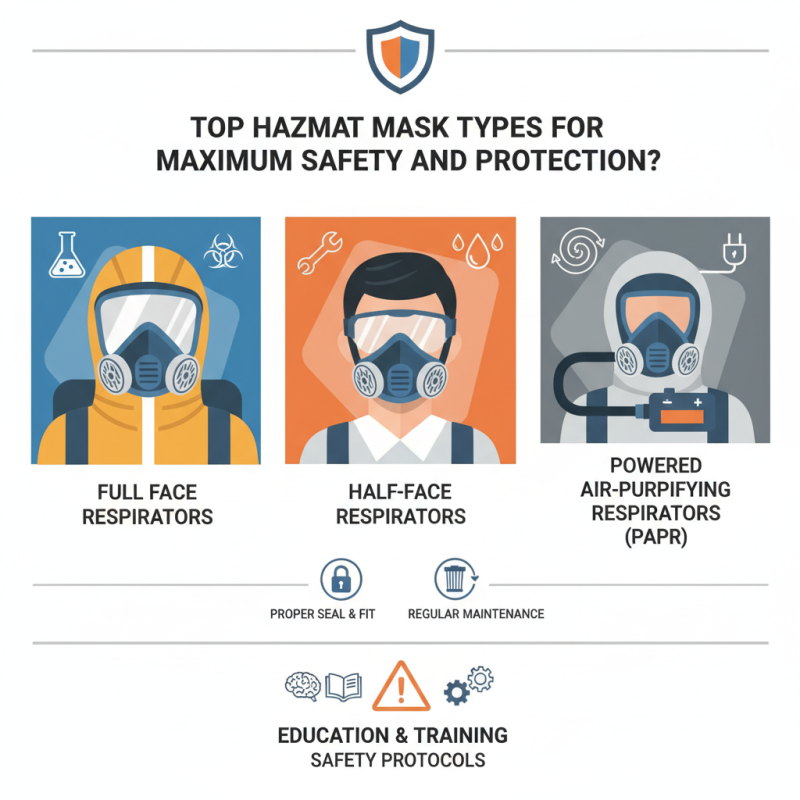
Types of Hazmat Masks: An Overview of Options Available
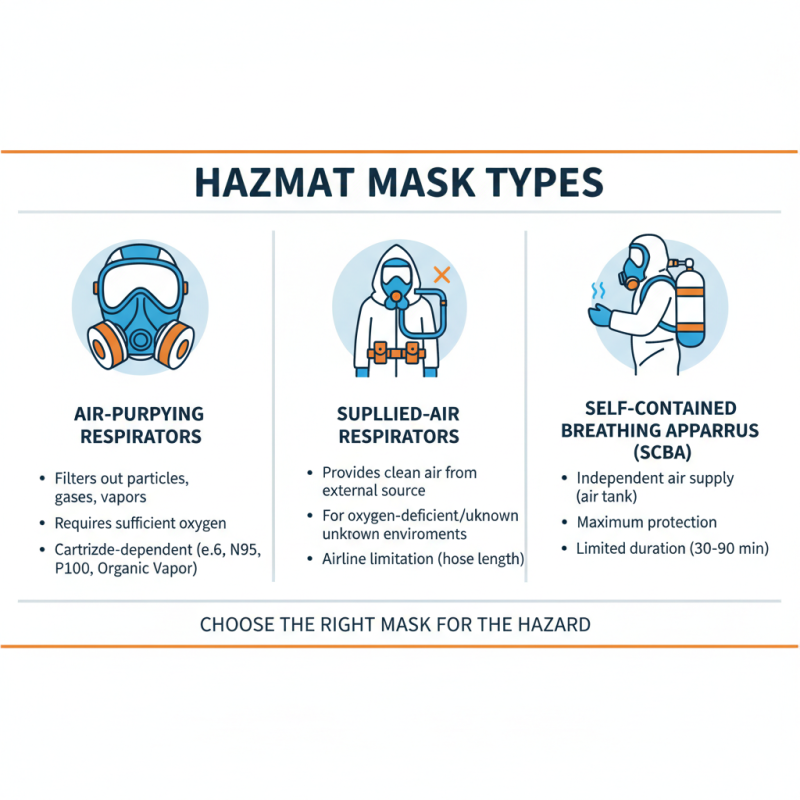
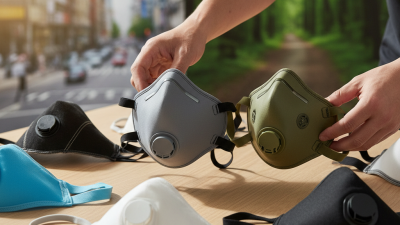
When it comes to hazmat masks, there are various options available. Each type is designed for specific environments and hazards. Understanding these types can significantly enhance safety and protection.
One popular choice is the half-mask respirator. This mask covers the nose and mouth, providing a good seal. It's often used in chemical settings. However, it might not protect against all airborne contaminants. A full-face respirator offers broader protection. It shields the entire face, providing a clearer view. Consider your environment before selecting a mask type.
**Tips:** Ensure a proper fit for maximum effectiveness. A poorly fitting mask can compromise safety. Regularly check the mask for wear and tear. Even small damages can reduce protection. Always prioritize comfort, but never at the expense of safety.
Key Features to Consider When Selecting a Hazmat Mask
When selecting a hazmat mask, several key features come into play. First, the fit is crucial. A mask that doesn’t seal properly won't provide adequate protection. It should create a tight seal around your face, preventing contaminants from entering.
Filter capabilities are another important feature. Look for masks equipped with high-efficiency filters. These filters capture small particles and gases effectively. Options include particulate filters and chemical cartridges, depending on your needs. Also, ensure the mask meets safety standards for the specific hazards you may face.
Tips: Always try masks on before purchasing. This allows you to assess comfort and fit. Regular maintenance is also vital; clean your mask according to guidelines. Finally, use a mask suitable for the duration of exposure. A longer exposure may require a different type of protection. Don't overlook the importance of training in using these masks for optimal safety.
Comparative Analysis of Respirator vs. Full-Face Hazmat Masks
When choosing between respirators and full-face hazmat masks, understanding the differences is key. Respirators cover only the nose and mouth, providing basic protection against airborne particles. They are lighter and more comfortable for short-term use. However, they might not fully shield the eyes or face. This can lead to exposure in high-risk environments.
In contrast, full-face hazmat masks offer comprehensive protection. They cover the entire face, shielding the eyes, nose, and mouth from hazardous substances. This design minimizes the chance of exposure. The visibility and comfort levels vary. Some users may find them cumbersome and may face fogging issues. It’s essential to consider these factors. Your safety could rely heavily on the right choice in specific situations.
Ultimately, the decision should reflect the nature of the hazards involved. Both masks serve unique purposes. Each has its pros and cons. Evaluating your needs and the environment is crucial. Finding the right type could make a significant difference in safety levels.
Application-Specific Hazmat Mask Recommendations
When selecting a hazmat mask, understanding the specific application is crucial. Choosing the wrong type can have serious effects on safety. For instance, professionals dealing with airborne particles should consider particulate respirators. These masks filter out small particles, providing effective protection against dust and aerosols. According to industry reports, 95% of airborne particles can be filtered out by using the correct masks.
Those working with hazardous gases need to opt for gas masks. These masks have chemical cartridges tailored for different gases. The effectiveness can vary greatly based on the type of cartridge used. A study indicated that mismatched cartridges led to a 30% decrease in safety for workers. Testing and certification are vital to ensure these masks meet safety standards.
Tips: Always check the fit of the mask. An improper seal can reduce protection levels significantly. Regularly inspect masks for wear and damage. A compromised mask might not provide adequate safety. Ensure that the selected mask aligns well with the specific hazards faced. This knowledge is key to maintaining health and safety in hazardous environments.
Maintaining and Properly Storing Your Hazmat Masks for Longevity
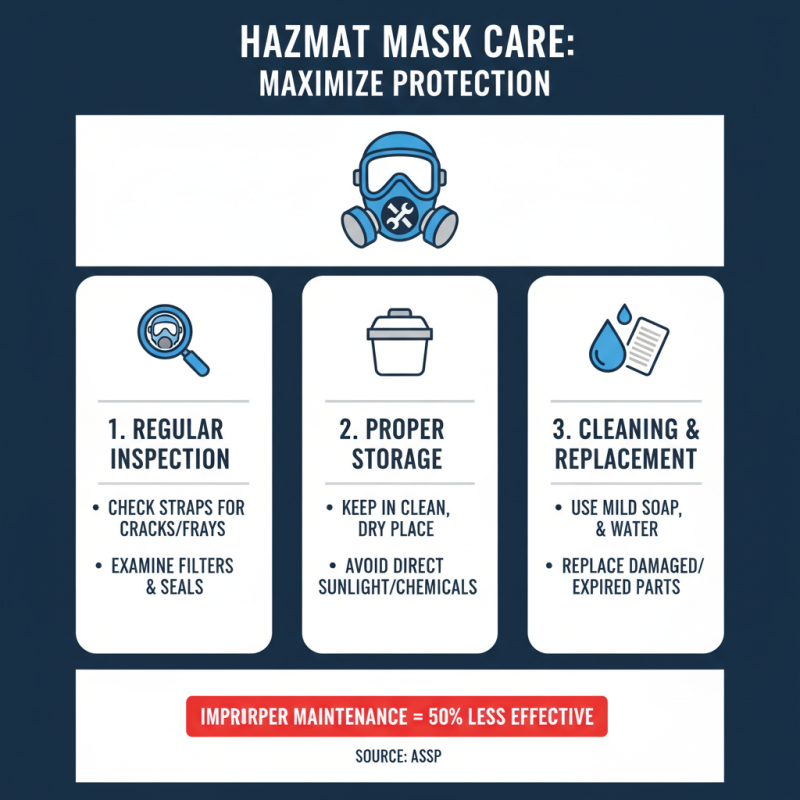
Maintaining hazmat masks is essential for their efficacy and longevity. Regular inspection is crucial. Look for wear and tear on straps, filters, and seals. According to the American Society of Safety Professionals, improper maintenance can reduce a mask’s effectiveness by up to 50%.
Proper cleaning is necessary. Use mild soap and water, and allow the mask to air dry. Avoid harsh chemicals that can degrade materials. After cleaning, store your mask in a cool, dry place. This prevents damage and contamination. Some experts recommend a dedicated container to minimize exposure to potential pollutants.
Lastly, remember to replace filters regularly. The CDC suggests changing filters based on usage, especially after high-risk exposure. Ignoring this can lead to compromised safety. If you notice difficulty in breathing or unusual odors while wearing the mask, it’s time for a thorough check or replacement. Being proactive can be the difference in ensuring maximum protection.