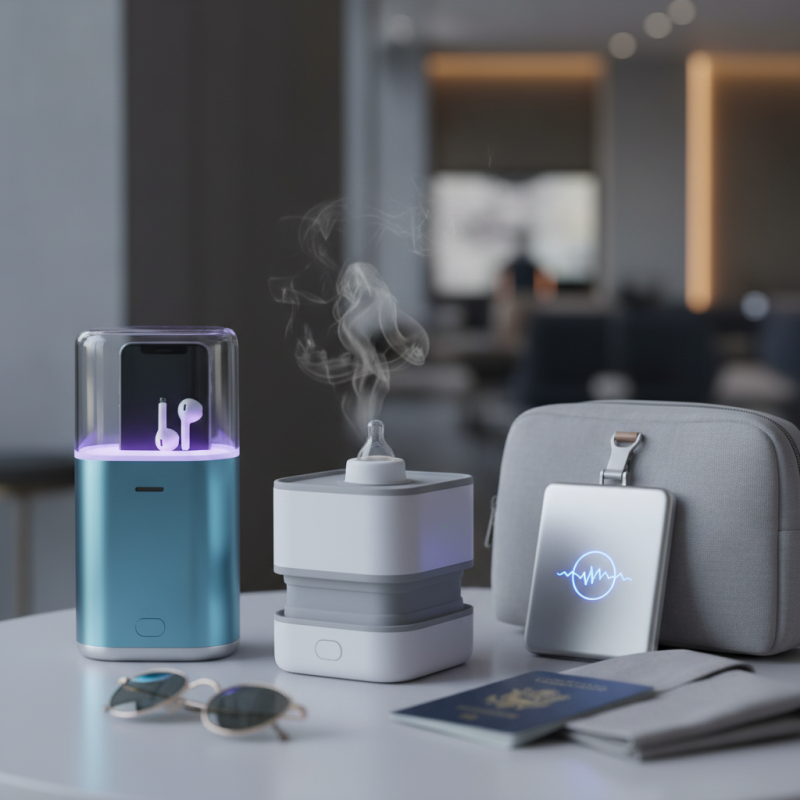
Top Travel Sterilizers for Safe Journeys in 2026?
Traveling in 2026 presents unique challenges, especially in maintaining hygiene. During journeys, the health and safety of travelers depend on proper sanitation. Enter the travel sterilizer—an essential gadget for the modern explorer.
These devices promise convenience and peace of mind. They efficiently eliminate germs and bacteria from essentials, ensuring safe journeys. A good travel sterilizer fits easily into luggage and operates quickly. However, not all options are created equal. Some models may lack effectiveness, raising concerns about their reliability.
Investing in a high-quality travel sterilizer requires research and careful consideration. Travelers must weigh options based on effectiveness, portability, and user reviews. With the right choice, you can travel with confidence, knowing you have taken steps to protect your health on the go.
Top Features of Travel Sterilizers for 2026: What to Look For
When traveling, hygiene is critical. Travel sterilizers have become essential for safe journeys in 2026. They eliminate bacteria and viruses effectively, ensuring your belongings are clean. According to industry reports, portable sterilizers have seen a40% increase in demand. This spike reflects travelers’ heightened awareness of health.
Key features to consider in travel sterilizers include size, portability, and efficiency. A compact design is crucial for fitting into luggage. Many models now integrate UV-C light technology, known for killing 99.9% of germs, as supported by the Centers for Disease Control and Prevention. Battery life matters too; choose a sterilizer that lasts for multiple uses on a single charge.
Tips: Look for user reviews that highlight real-life experiences. Ensure the sterilizer is tested and certified for safety. Pay attention to additional features like multi-functionality. For example, some sterilizers double as phone chargers. Remember, quality should not be sacrificed for a lower price. Balancing cost with performance is vital to making a wise choice. In the end, prioritize what aligns with your travel habits.
Understanding the Technology: How UV-C and Heat Sterilizers Work
Traveling often exposes us to various pathogens. Understanding how sterilizers work can enhance our safety during journeys. Two popular technologies are UV-C and heat sterilizers.
UV-C sterilizers harness ultraviolet light to destroy bacteria and viruses. The light penetrates the cells, disrupting their DNA. This process ensures surfaces and items are disinfected without harsh chemicals. However, the effectiveness depends on exposure time and distance. Sometimes, items need multiple passes for thorough cleaning.
Heat sterilizers operate by using high temperatures to kill pathogens. They excel in sanitizing items like cookware and personal belongings. The sterilization cycle often lasts around ten to thirty minutes. Still, not all materials are heat-resistant. Users must double-check their items before using this method. Each technology has its strengths and weaknesses, and understanding them can lead to safer travels.
Top Travel Sterilizers for Safe Journeys in 2026
| Sterilizer Type | Technology Used | Effective Range (cm) | Weight (grams) | Battery Life (Hours) | Price (USD) |
| UV-C Sterilizer | Ultraviolet Light | 10 | 300 | 5 | 49.99 |
| Heat Sterilizer | Heat | 15 | 400 | 4 | 39.99 |
| Portable UV Sterilizer | Ultraviolet Light | 12 | 250 | 6 | 54.99 |
| Multi-Function Sterilizer | UV-C and Heat | 8 | 450 | 5 | 69.99 |
| Compact UV Sterilizer | Ultraviolet Light | 10 | 200 | 4 | 29.99 |
Market Trends: The Growth of Portable Sterilizers in Travel Industry
The travel industry is witnessing a notable rise in the demand for portable sterilizers. Recent market research from the International Travel Hygiene Association (ITHA) shows that the portable sterilizer market is projected to grow by over 15% annually through 2026. This trend emphasizes the increasing importance of hygiene while traveling. Consumers are seeking sanitization solutions that fit seamlessly into their travel routines.
Travelers now prioritize health safety due to recent global events. According to a survey conducted by the Global Safety Institute, 72% of respondents expressed a preference for destinations with higher hygiene standards. Portable sterilizers make this possible, allowing individuals to disinfect personal items, such as smartphones and utensils, anytime, anywhere. This convenience addresses a growing concern about germs in public spaces.
Despite this surge in popularity, awareness surrounding the correct usage of these devices remains low. Some users may overlook the need to adhere strictly to sterilization guidelines. A study by Travel Hygiene Group reveals that improper usage can lead to ineffective cleaning, providing a false sense of security. Education and awareness campaigns are crucial in fostering responsible usage among travelers.
Health Impact: Statistics on Travel-Related Infections and Sterilization
Traveling exposes us to various health risks, including infections. Statistics reveal that millions of travelers each year contract illnesses during their journeys. In fact, a notable percentage of these cases result from contaminated surfaces. Understanding this risk is vital for maintaining health while traveling.
Survey data shows that nearly 45% of travelers reported hygiene-related concerns. Contaminated items like utensils and doorknobs are common culprits. An alarming finding is that a significant number of travelers do not carry sanitizing tools. This oversight can lead to unnecessary exposure to harmful pathogens in unfamiliar environments.
As we look towards 2026, portable sterilizers emerge as a promising solution. These devices promise to eliminate harmful germs swiftly. However, the effectiveness of sterilization methods requires careful evaluation. Not all travelers fully utilize these tools. It is crucial to educate travelers on their correct usage. Failing to do so can diminish their benefits, leaving individuals vulnerable to infections during their trips.
Consumer Preferences: What Travelers Want from Sterilization Devices
Travelers in 2026 increasingly prioritize safety and hygiene, especially regarding sterilization devices. A recent industry survey indicated that 75% of travelers consider sterilization a critical factor in their travel kits. They want devices that are portable, lightweight, and effective in eliminating germs. The average traveler now carries at least one sterilization tool, reflecting a significant shift in consumer preferences.
The most sought-after features include battery life, ease of use, and multi-functionality. Many users prefer devices that can sterilize both personal items and food. Compact designs are crucial, as 68% of respondents highlighted the importance of fitting these devices into carry-ons. However, travelers also express concern about over-reliance on technology. They worry that some devices may not meet their expectations in different environments, leading to a potential false sense of security.
**Tips**: Always check device efficiency ratings. Make sure it meets local health standards. Test your sterilization device before your trip to ensure proper functionality. Balancing reliance on technology with common-sense hygiene practices is essential. Consider a multi-method approach; combining sterilization with traditional cleaning methods could enhance safety during your travels.
Top Travel Sterilizers for Safe Journeys in 2026