
Dust is not one simple hazard. A fine layer from sanding drywall differs from larger particles stirred up while sweeping a workshop floor. Choosing a dust mask starts with identifying the particles, the task, and how long the mask must be worn. Comfort matters, but protection depends on more than a product label.
This guide compares the top types of dust mask, including disposable filtering facepieces, reusable elastomeric respirators, and powered air-purifying options. Each has practical trade-offs. A disposable mask is light and easy to store; a reusable model can accept replaceable filters but needs careful cleaning and maintenance. Powered systems may suit some demanding work, yet they are heavier and require more setup. Fit matters. A mask that leaks around the nose or cheeks may not provide its intended protection. Facial hair, movement, and a poor seal can all change the result.
No single option is right for every dusty job. Check the product’s intended use, follow its instructions, and consult a qualified safety professional when exposure is uncertain or potentially serious. A mask can also feel secure while fitting poorly, so appearance alone is not proof. That distinction is easy to overlook. The sections ahead explain how common designs differ, what features to compare, and when a basic dust mask may not be enough.
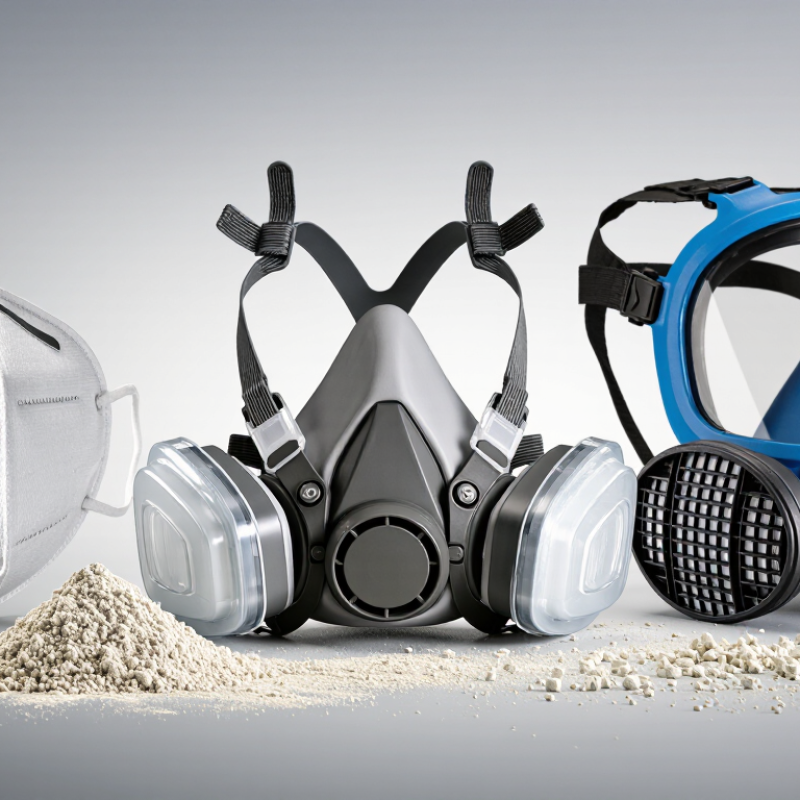
The phrase “dust mask” covers several designs, not one universal product. Disposable filtering facepieces are lightweight and discarded when damaged, dirty, or difficult to breathe through. Reusable half-mask respirators use a fitted body with replaceable filters. Some powered models move air through filters, which can help during longer tasks but add weight and maintenance. Each design suits different work conditions.
Filtration classifications describe how well a filter captures specified particles under defined tests. They do not guarantee protection in every situation. Dust type, particle size, airflow, and a mask’s seal all matter. A high-rated filter can still perform poorly if air leaks around the nose or cheeks. Fit matters most. Facial hair along the sealing area may also interfere. Check the product documentation and follow workplace guidance for selecting and maintaining equipment.
The categories can look neat on paper; real faces and tasks are less predictable. Not always. A valve may make exhalation more comfortable, but it does not improve the filter itself or protect others from the wearer’s exhaled air. For dusty work, inspect the mask before use, replace filters as directed, and consider whether the design stays secure while bending or speaking.
Disposable filtering facepiece respirators are lightweight, molded or foldable masks designed to filter particles as the wearer breathes. N95 is a widely recognized type, not a general label for every disposable dust mask. In its certification test, NIOSH requires an N95 filter to capture at least 95% of a challenging aerosol under specified laboratory conditions. That figure describes the filter, not guaranteed protection on every face.
Fit matters. A NIOSH-certified N95 should seal closely around the nose and cheeks; facial hair or a slipped nose clip can leave gaps. OSHA’s Respiratory Protection standard requires fit testing for workers who must wear tight-fitting respirators, and the program also covers training and proper use. For dusty tasks, check the model’s approval markings and inspect the mask before use. A damp, dirty, or damaged respirator may need replacing.
Not magic. N95 filters are not designed for oil-based particles, and disposable facepieces do not supply oxygen. NIOSH’s 42 CFR Part 84 certification procedures use controlled particle challenges, so real-world results can differ with fit, movement, and work conditions. I would not judge a mask by softness alone; a comfortable mask that leaks is still a poor fit.
Reusable half-mask respirators use replaceable filters, making them useful when dust exposure recurs and a disposable mask would be inconvenient. The facepiece covers the nose and mouth, while two straps hold it against the face. Fit matters. A gap near the nose or cheeks can let dusty air bypass the filter. Before work, inspect the mask for cracks, check that the straps are secure, and follow the manufacturer’s seal-check instructions. Facial hair under the sealing edge can also interfere with fit.
Choose filters for the material and task, not just the mask shape. Particulate filters are designed for airborne particles; they do not automatically protect against gases or vapors. Check the filter’s rating and the workplace guidance, especially when sanding, sweeping, or handling fine powders. Replace filters when they are damaged, difficult to breathe through, or due for replacement under the instructions. Clean the facepiece as directed and let it dry fully before storage. A slightly damp mask in a closed toolbox is an easy detail to overlook. Reusable equipment can reduce waste, but only when it fits well and is maintained consistently.
| Respirator Type | How It Works | Typical Filter or Protection | Key Advantages | Important Considerations | Common Uses |
|---|---|---|---|---|---|
| Reusable elastomeric half-mask respirator | A close-fitting facepiece covers the nose and mouth; replaceable filters or cartridges attach to the mask. | Particulate filters, gas/vapor cartridges, or combination filters, selected for the specific hazard. | Reusable facepiece; replaceable components; can accommodate different filter types. | Requires a proper fit and compatible filters. It does not protect the eyes. Filters and cartridges must be changed according to their instructions and workplace conditions. | Dust-generating work, sanding, and other tasks where a suitable particulate filter is selected. |
| Disposable filtering facepiece respirator | The entire mask is made of filtering material and is worn over the nose and mouth. | NIOSH-approved N95 filters capture at least 95% of airborne particles under specified test conditions; other classes have different ratings and oil-resistance properties. | Lightweight and simple to use; no separate filter components to assemble. | Not reusable unless specifically designed and approved for reuse. A tight-fitting model requires a good face seal; facial hair can interfere with the seal. | Some construction, maintenance, and cleanup tasks involving particulate hazards. |
| Full-face elastomeric respirator | A reusable facepiece covers the nose, mouth, and eyes and uses replaceable filters or cartridges. | Particulate filters, gas/vapor cartridges, or combination filters matched to the hazard. | Provides eye coverage along with respiratory protection when correctly selected and fitted. | Needs a proper fit, cleaning, and maintenance. Correct filter selection is essential; it is not suitable for every hazardous atmosphere. | Tasks where both respiratory and eye protection are needed and the respirator is appropriate for the hazard. |
| Powered air-purifying respirator (PAPR) | A battery-powered blower draws air through a filter and delivers it to a hood, helmet, or facepiece. | Filter type depends on the airborne hazard and the approved system configuration. | Powered airflow can reduce breathing resistance compared with many non-powered respirators. | Requires a charged battery, compatible components, and maintenance. A PAPR does not supply oxygen and must not be used in oxygen-deficient atmospheres. | Selected workplaces where a PAPR is appropriate and its operating requirements can be met. |
| Non-respirator nuisance-dust mask | A loose-fitting face covering provides limited comfort against non-hazardous dust but is not a certified respirator. | No NIOSH respirator rating unless the product is specifically certified as a respirator. | May help keep larger, non-hazardous particles off the face. | Do not rely on it for hazardous dust, fumes, or infectious aerosols. Check the product labeling and applicable workplace requirements. | Light-duty activities involving non-hazardous nuisance dust only. |
Selection note: Choose a respirator and filter based on the hazard assessment and applicable regulations. In workplace use, tight-fitting respirators generally require medical evaluation, fit testing, and a user seal check each time they are worn. No air-purifying respirator protects against oxygen-deficient atmospheres.
Powered air-purifying respirators, or PAPRs, use a battery-powered blower to pull workplace air through suitable filters. The cleaned air flows into a hood, helmet, or facepiece. This steady airflow can make breathing more comfortable during dusty tasks, especially when work lasts for hours. Comfort matters, but it does not prove that protection is adequate. Filter selection must match the dust and the work conditions. Fine particles can remain airborne after sweeping or cutting, even when the room looks clear.
Tips: Check the filter type, airflow indicator, battery charge, and connections before each use. Keep the inlet clear of clothing and debris. Replace filters according to their instructions, not just when they look dirty. Small checks matter.
A PAPR is not suitable for every hazard. Standard particulate filters do not protect against gases or vapors unless the system is specifically configured for them. A hooded model may suit workers who cannot use a tight-fitting facepiece, but each system has limits. Review the task, exposure assessment, and equipment instructions with a qualified safety professional. I used to think a charged battery was the main concern; it is only one part of a reliable pre-use check.
Disposable filtering masks are lightweight and discarded when dirty or damaged. Reusable half-masks use replaceable filters. Powered models move air through filters but need extra maintenance.
No. Dust type, particle size, airflow, and face fit all matter. A small gap near the nose can let particles bypass the filter.
Look for cracks and check that the straps are secure. Follow the mask’s seal-check instructions. Small details matter.
Yes. Hair beneath the sealing edge may create gaps around the nose or cheeks.
Not automatically. Particulate filters are designed for airborne particles. Check the filter rating and workplace guidance for the task.
Replace them if damaged, difficult to breathe through, or due under the instructions. Don’t guess.
Clean it as directed and let it dry fully before storage. A damp mask in a closed toolbox is easy to overlook.
No. A valve may make exhaling more comfortable, but it does not improve filtration or protect others from exhaled air.
Choose filters for the material and task. Check that the mask stays secure while bending or speaking. Real work can be less predictable than a chart.