The Ultimate Guide to Choosing the Best 3M Gas Mask for Your Needs
Choosing the best 3M gas mask for your needs can be a daunting task. With various models available, it’s crucial to understand their features. A recent report states that over 30% of workers in hazardous environments do not wear proper respiratory protection. This highlights a significant gap in safety compliance.
The right 3M gas mask can make a difference in critical situations, especially in industries like construction and chemicals. Studies show that effective respiratory protection reduces exposure to harmful particles by up to 95%. This statistic is alarming yet suggests the potential benefits.
However, not all gas masks provide the same level of protection or comfort. Some users experience discomfort when wearing a mask for extended periods. Realizing that a proper fit is essential can often be overlooked. The decision-making process should include a review of personal requirements and potential risks. Choosing the appropriate 3M gas mask is not merely a preference; it is a necessity for safety in hazardous environments.
Understanding the Different Types of 3M Gas Masks Available
When exploring gas masks, it's crucial to understand the varying types available. Respirators typically fall into two categories:
air-purifying and supplied-air systems. Air-purifying respirators filter air, while supplied-air systems provide clean air from an external source.
According to industry reports, over 70% of users prefer air-purifying masks due to their accessibility and lower cost.
Various filters are available depending on specific needs. For instance, some filters protect against particulates, while others guard against gases and vapors. A recent survey highlighted that 55% of users prioritize chemical protection.
However, using the right filter is essential. Misjudgment in selecting a filter can lead to serious health risks. It's a common mistake that many users overlook.
Fit and comfort are other vital aspects. An ill-fitting mask may not only be uncomfortable but also reduce effectiveness.
Studies reveal that poorly fitting masks can compromise protection by more than 50%.
Many overlook this key factor, focusing solely on the mask's features. Users often need to try several options to find the right fit.
Key Features to Consider When Selecting a 3M Gas Mask
When choosing a gas mask, several key features should guide your decision. Start with the filtration system. Different masks use various filters to protect against gases, vapors, and particulates. Consider your environment. Will you be exposed to chemicals or biological threats? The right filter will make a huge difference. Always check the mask's compatibility with the filters you need.
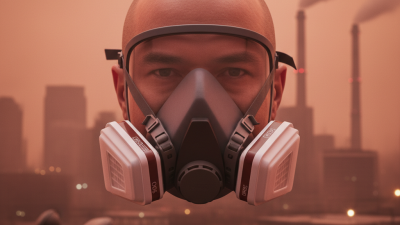
Comfort is also crucial. A gas mask that fits poorly can cause discomfort and distractions. Look for adjustable straps and a shape that contours to your face. A well-fitted mask helps create a tight seal. Comfort can determine how long you can wear it effectively. Test it if possible. Sometimes, even small variations can lead to significant differences in comfort.
Don’t forget the maintenance aspect. Cleaning and storing a gas mask correctly ensures its longevity. Some masks require regular replacement of parts. Be prepared for additional expenses over time. It’s easy to overlook this part, but neglect could lead to risks in critical situations. Reflect on how often you will use the mask and plan accordingly.
Evaluating the Protection Levels of 3M Gas Masks: A Comprehensive Overview
Choosing the right gas mask is essential for safety. Different masks provide varying levels of protection. Evaluating the protection levels is vital. Understanding the types of filters is the first step. Some filters protect against particulates; others shield from gases. Look for masks that fit snugly. A good seal is crucial for effective protection.
When evaluating gas masks, consider the environment. Exposure levels may differ. Certain masks are more suitable for industrial use. Others work well in chemical exposure scenarios. The right choice may vary based on personal needs and risks.
Tips: Test your mask before relying on it. Choose a mask with a comfortable fit. Regularly check expiration dates on filters. Pay attention to how to maintain and store your mask properly. A neglected mask may not perform as expected. Always prioritize personal safety with a reliable gas mask.
The Protection Levels of Different Types of 3M Gas Masks
This chart compares the protection levels offered by various types of gas masks commonly available in the market, measured in terms of filtration efficiency against specific hazardous substances.
How to Properly Fit and Maintain Your 3M Gas Mask for Optimal Performance
When selecting a gas mask, proper fit is crucial. A mask that doesn’t fit well can compromise safety. According to various safety studies, around 50% of users do not achieve a proper seal. This can lead to inhalation of harmful substances. To ensure a perfect fit, conduct a fit test. This can be a qualitative test using ports or a quantitative method using specialized equipment. Remember, a good fit can mean the difference between safety and risk.
Maintaining your gas mask is just as important. Regular inspections are essential. Check for any signs of wear or damage. A report by the National Institute for Occupational Safety and Health indicates that 30% of masks fail maintenance checks. This reveals the need for diligence. Clean your mask according to manufacturer instructions. Use a non-abrasive cleaner and avoid harsh chemicals.
Tips: Always store your mask in a cool, dry place. This helps to prolong its lifespan. If a mask is not in use, cover it with a protective cap. This will prevent dust accumulation. Inspect the filter regularly, as it needs replacement every few months. Regular maintenance can prevent costly replacements and ensure optimal performance.
Industry Standards and Certifications for 3M Gas Masks: What You Need to Know
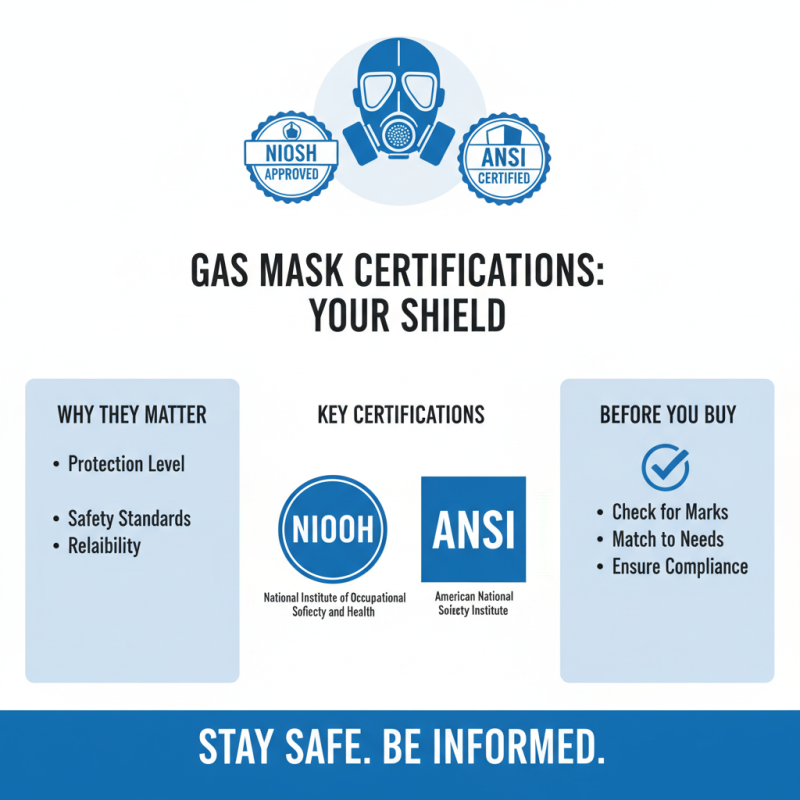
When selecting a gas mask, understanding industry standards is crucial. Masks often have certifications like NIOSH or ANSI. These indicate the level of protection they offer. For example, a mask with NIOSH approval meets specific filtration and safety criteria. You must check these certifications before purchasing.
Additionally, consider the type of hazards you might face. For example, some masks filter out dust, while others target gases. This distinction is important for effectiveness. A mask that works for chemical exposure may not be suitable for particulate matter. Reflect on your environment and specific needs to choose wisely.
Many people overlook the importance of fit and comfort. A proper seal is vital for protection. Masks that don't fit well can let contaminants in. Try different styles to find what works best. It’s easy to grab the first option. But without proper testing, it may lead to false security.