
[wpml_language_selector_widget]

What is a Waterproof Micro Limit Switch and How Does It Work?

A waterproof micro limit switch is an essential component in various applications. Its ability to operate in wet or harsh environments sets it apart from standard switches. These switches ensure reliability in systems where moisture is a concern. Understanding their function and construction can greatly enhance their application.

The design of a waterproof micro limit switch includes sealed enclosures. These enclosures protect the internal mechanisms from water and debris. When activated, the switch communicates with other system components. Its compact size allows it to fit in tight spaces, making it versatile for different uses. However, choosing the right switch can sometimes be challenging due to various specifications.

In industries like automation and robotics, these switches play a critical role. They ensure equipment responds correctly to motion and safety standards. However, improper installation can lead to failures. A thorough understanding of their operation is vital for maximizing performance and longevity.
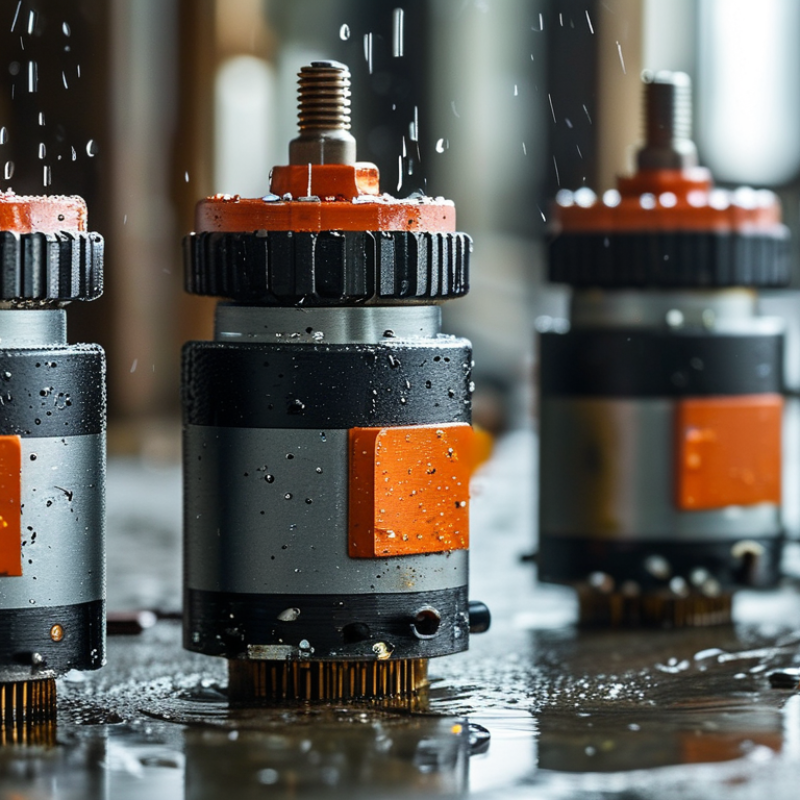
What is a Waterproof Micro Limit Switch and How Does It Work?

What is a Waterproof Micro Limit Switch?

A waterproof micro limit switch is a compact device used in various applications. It operates similarly to a regular limit switch but has enhanced durability against moisture and dust. Manufacturers typically design it with special seals and coatings to ensure reliable performance in challenging environments. This makes it ideal for outdoor or industrial settings where exposure to the elements is a concern.

These switches function by detecting the position of an object. When the object makes contact with the switch, it triggers an electrical signal. Users often rely on them for automation projects or safety operations in machinery. The ability to withstand water can greatly extend the life of the device, especially in harsh conditions. However, selecting the right micro limit switch for your project requires careful consideration of specifications and environmental factors.

Tips:
Ensure the switch is rated for your specific application. Look for IP ratings that indicate protection against water and dust. Always check installation guidelines carefully to avoid any potential errors that could impact functionality. It’s essential to maintain the switch regularly, as even waterproof models can degrade over time.


The Design and Construction of Waterproof Micro Limit Switches

Waterproof micro limit switches are essential in various industries. Their design focuses on durability and reliability. These switches often feature sealed enclosures, protecting internal components from moisture, dust, and other contaminants. This construction is crucial for applications in harsh environments, such as automotive, manufacturing, and marine settings. According to a recent industry report, the global limit switch market is expected to grow by 5% annually, driven by the increasing demand for automation in diverse sectors.

The materials used in waterproof micro limit switches play a significant role in their effectiveness. Commonly, they utilize stainless steel or reinforced plastics for their housings. These materials provide resistance to corrosion. Moreover, silicone or rubber gaskets are often employed to ensure watertight seals. A study highlighted that up to 30% of switch failures in industrial applications result from water ingress. This statistic underscores the importance of robust design and quality materials in switch construction.

However, engineering a waterproof micro limit switch is not without challenges. Balancing durability with sensitivity is a constant concern. Often, enhancing one aspect can compromise another. For instance, adding extra sealing may alter the switch’s response time. Furthermore, as technology advances, manufacturers must continually adapt designs to meet evolving industry standards. This ongoing challenge calls for continuous research and development in the field.

What is a Waterproof Micro Limit Switch and How Does It Work? - The Design and Construction of Waterproof Micro Limit Switches

Feature Description
Waterproof Rating Typically IP67 or IP68, ensuring protection against dust and water ingress.
Actuation Type Mechanical actuation via lever, plunger, or rotary mechanisms.
Materials Used Constructed from corrosion-resistant materials like stainless steel or plastic.
Operating Temperature Range Usually between -25°C to +85°C (-13°F to +185°F), suitable for various environments.
Common Applications Used in automotive, industrial machinery, and home automation systems.
Electrical Ratings Varying voltage and current ratings, generally from 5A at 250VAC to lower ratings for sensitive applications.
Installation Types Can be panel-mounted, surface-mounted, or integrated within equipment.

How Waterproof Micro Limit Switches Function in Various Applications

Waterproof micro limit switches are essential in various industries. They are designed to withstand moisture and harsh environments. This resilience is vital in settings like outdoor machinery and food processing, where reliability is crucial. The switches function by using a simple mechanism: when an object makes contact, the internal mechanism closes the circuit. This action sends a signal to activate or deactivate machinery.

In applications such as automotive and industrial automation, these switches play a significant role. For example, in a car's door, they ensure that lights turn off when the door is closed. In manufacturing, they help control conveyor belts and robotic arms. However, it's important to consider that not every waterproof switch performs equally. Some may fail in extreme conditions, leading to unexpected machine downtime. Frequent testing and maintenance can reduce such risks. Evaluating the specific requirements of each application is critical, as not all switches are interchangeable.

Waterproof Micro Limit Switch Performance in Various Applications

Benefits of Using Waterproof Micro Limit Switches in Harsh Environments

Waterproof micro limit switches are essential in environments where moisture, dust, and extreme temperatures can damage standard components. These switches are designed to maintain their functionality despite such challenges. Industries ranging from automotive to manufacturing rely on these robust switches to ensure equipment operates reliably.

One significant benefit of waterproof micro limit switches is their enhanced durability. They can withstand harsh conditions, reducing maintenance costs and downtime. This cost-effectiveness makes them attractive for operations that require consistent performance over time. Users often appreciate the peace of mind that comes with durable components. However, it's essential to ensure proper installation and regular inspections.

Tips: Regularly check the seals on these switches to ensure they remain effective. Dust and moisture can wear down protective barriers over time. Additionally, consider the environmental factors specific to your application. Understanding how conditions affect switch performance helps in selecting the right type.

Another advantage lies in their versatility. These switches can be used in various applications, from controlling automated systems to securing safety mechanisms. Their small size allows for easy integration into tight spaces. Nonetheless, while they are designed to be durable, not all installations are equally effective. The context of use matters greatly.

Common Uses and Industries for Waterproof Micro Limit Switches

Waterproof micro limit switches are essential components in various industries. They are designed to withstand moisture and dust, making them reliable in harsh conditions. Common applications include industrial machinery, automotive systems, and outdoor equipment. In these settings, limit switches help to control movement, ensuring safety and efficiency.

In the automotive industry, waterproof micro limit switches are used in applications like sunroofs and tailgates. They signal when a door is open or closed, enhancing user safety. In manufacturing, they serve as sensors that detect the position of machinery components, preventing accidents. These switches help automate processes and improve productivity.

Tip: When selecting a waterproof micro limit switch, consider the ingress protection (IP) rating. A higher rating offers better protection against moisture and dust.

Tip: Periodically inspect your limit switches. Even waterproof models can wear out over time. Regular maintenance ensures their reliability.

These switches play a crucial role in various domains but require careful handling. Improper installation can lead to malfunctions. Being aware of their limitations aids in achieving optimal performance.