[wpml_language_selector_widget]

2026 Top Face Shield Mask Types for Global Buyers

Choosing the right face shield mask in 2026 requires more than comparing clear panels and low prices. Global buyers must assess protection, comfort, visibility, cleaning needs, and supply reliability together. A shield that looks excellent in a product photo may feel heavy after several hours. It may also fog in humid conditions. Small details matter.

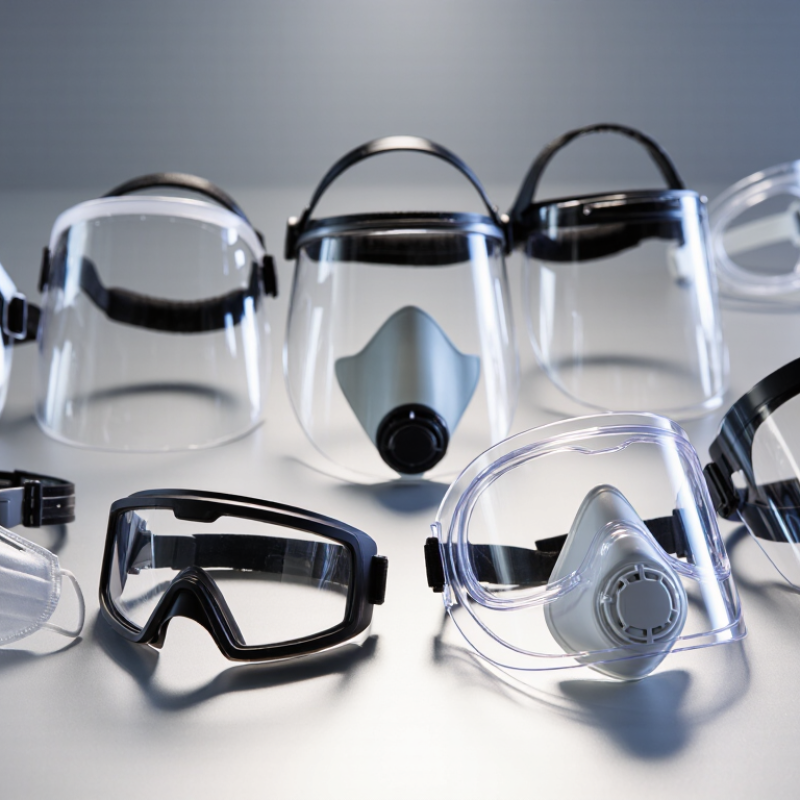
This guide examines practical face shield mask types for healthcare, laboratory, manufacturing, education, hospitality, and public-facing work. It considers full-face shields, disposable models, reusable designs, anti-fog options, adjustable headgear, and shields compatible with respirators or protective eyewear. Each type serves a different working environment. None is perfect.

Reliable purchasing depends on evidence. Buyers should review material specifications, impact performance, optical clarity, skin-contact materials, cleaning instructions, and documented quality controls. Regional requirements can differ, so suppliers should provide current technical files and relevant conformity information. Marketing claims alone are not enough. A trusted supplier should explain testing methods, batch consistency, packaging, and replacement availability.

Comfort deserves equal attention. Soft forehead padding, balanced weight, and smooth adjustment systems can reduce fatigue during long shifts. A wide viewing area helps workers monitor tools, patients, or moving equipment. However, larger shields may increase storage demands and cleaning time. That trade-off is easy to overlook.

This overview aims to support careful decisions, not promote one universal solution. Buyer priorities differ. Some conclusions may change after real workplace trials. Testing samples with actual users remains wise before placing large orders.
2026 Top Face Shield Mask Types for Global Buyers

What Is a Face Shield Mask and How Does It Work?

2026 Top Face Shield Mask Types for Global Buyers

What Is a Face Shield Mask and How Does It Work?

A face shield mask combines a transparent visor with a headband, chin guard, or protective mask. The visor covers the eyes, nose, and mouth from forehead to below the chin. It creates a physical barrier against splashes, large droplets, and contact with contaminated surfaces. Air still moves around the edges. That detail matters.

Laboratory research published in the Journal of Occupational and Environmental Hygiene found that face shields reduced exposure to large cough droplets by 96% at close range. At six feet, the reduction was about 68%. These figures describe controlled conditions, not every workplace. Real protection changes with visor shape, ventilation, distance, and wearing behavior. Fit matters greatly.

A face shield does not seal around the face. Therefore, it should not replace a properly selected respirator when airborne particles create a risk. Infection-control guidance from the U.S. Centers for Disease Control and Prevention describes shields mainly as eye and face protection, often used with source-control measures. Buyers should examine optical clarity, anti-fog performance, splash coverage, and cleaning instructions. Some “full coverage” designs still leave gaps near the temples. That is easy to miss. A practical evaluation should include several minutes of speaking, bending, and walking before large-scale purchasing.

Main Face Shield Mask Types Available in 2026

Main Face Shield Mask Types Available in 2026

In 2026, global buyers can choose from several face shield mask types. Full-length shields extend below the chin and wrap toward the ears. They suit healthcare, laboratory, and splash-prone industrial work. Crown-to-chin models are lighter and easier to wear during long shifts. Helmet-mounted shields support construction and fabrication tasks, while spectacle-mounted versions fit users who need prescription lenses. Disposable shields reduce cleaning demands. Reusable shields usually offer better long-term value.

The CDC explains that face shields protect the eyes and face from droplets and splashes. However, they do not replace suitable respiratory protection. That distinction matters. ISO 16321-1:2021 and ANSI/ISEA Z87.1-2020 address optical quality, impact resistance, and protective performance. A 2024 Grand View Research analysis also identifies healthcare, manufacturing, and construction as major PPE demand sectors. Buyers should verify testing documents, not rely on attractive product photos. Anti-fog coatings help in humid rooms, but performance can decline after repeated cleaning. That weakness deserves more attention.

Tips: Select a shield with adjustable headgear, clear downward coverage, and enough space for masks or glasses. Check the stated standards and cleaning limits. For chemical splash risks, confirm compatibility with the specific substance. A cheap shield may still work, but poor fit quickly becomes an expensive problem.

Key Materials, Features, and Protection Levels

Global buyers should compare face shield mask materials before comparing appearance. Polycarbonate offers strong impact resistance and suits busy work areas. PET is lighter and usually costs less. Acetate can provide useful optical clarity, but its durability varies by thickness and design. Soft foam or silicone seals improve comfort around the forehead. Fit matters.

Protection levels depend on the task, testing, and coverage. Basic shields may help reduce droplets and liquid splashes. Wraparound designs cover more of the cheeks and sides. Impact-rated models are better for environments with flying particles, but they still need suitable eye and face protection. A lifting visor improves access during inspections. Anti-fog coatings help in humid rooms, although they may wear after repeated cleaning.

Practical evaluation should include lens thickness, headband adjustment, ventilation, and cleaning instructions. A shield that slips during movement offers weak real-world protection. Looks can mislead. Buyers should request test reports, material details, and applicable regional certifications before ordering large quantities. Packaging should prevent scratches and distortion during transport. Reusable products can reduce waste, but only when the visor tolerates the required cleaning process. Disposable options may be simpler for short-term, high-turnover use. No design fits every workplace. Surface glare, heat, and prolonged wear can expose weaknesses that product photographs hide.

2026 Top Face Shield Mask Types for Global Buyers - Key Materials, Features, and Protection Levels

Face Shield Type Primary Lens Material Typical Coverage Key Features Main Protection Function Typical Protection Level Best-Fit Applications Important Buyer Checks
Full-Length Flat Visor Clear PETG, polycarbonate, or cellulose acetate Forehead to below the chin; usually covers the front and sides of the face Wide viewing area, lightweight construction, replaceable visor options, adjustable headband Helps reduce exposure to liquid splashes, droplets, and low-energy flying particles Basic to enhanced facial coverage; performance depends on tested impact and splash markings Healthcare reception areas, laboratories, cleaning operations, education, and general workplace use Check visor thickness, optical quality, edge coverage, headband adjustment, and compatibility with spectacles or respirators
Wraparound Face Shield Polycarbonate or PETG Front, cheek, and partial side coverage with reduced lateral gaps Curved geometry, improved side protection, anti-fog coating, wide peripheral vision Provides broader protection from splashes and particles approaching from an angle Enhanced side coverage; not equivalent to sealed eye protection unless separately designed and tested Clinical procedures, chemical handling, laboratory work, and environments with side-splash risks Review side-wrap angle, coating durability, cleaning compatibility, optical distortion, and fit with other PPE
Chin-Guard Face Shield Polycarbonate or PETG Forehead to below the chin, with a shaped lower section Reduced lower gap, contoured visor, replaceable headgear, optional anti-fog treatment Improves protection against downward or upward splash paths around the chin area Enhanced splash coverage when the chin guard is properly positioned Dental care, medical procedures, food processing, chemical handling, and wet-process work Confirm chin clearance, ventilation, facial fit, visor replacement method, and resistance to the intended chemicals
Anti-Fog Face Shield Anti-fog coated polycarbonate, PETG, or acetate Coverage varies from front-only to wraparound formats Hydrophilic or hard anti-fog coating, ventilation channels, high-transparency lens Maintains visibility during temperature changes, humidity, and prolonged wear Protection level is determined by the base shield design; anti-fog performance is a visibility feature Operating rooms, laboratories, cold-chain work, humid production areas, and extended-use tasks Ask for anti-fog test conditions, coating life after cleaning, scratch resistance, and approved disinfectants
High-Impact Face Shield Impact-rated polycarbonate, sometimes with a replaceable visor Full-face coverage, commonly with forehead and side protection Impact-resistant visor, robust headgear, secure retention, optional hearing or respiratory PPE compatibility Helps protect against specified mechanical impacts and flying particles Higher mechanical-impact protection when certified to the applicable regional standard and marking Grinding, machining, construction, maintenance, forestry, and industrial production Verify impact marking, test standard, optical class, visor retention, and whether safety glasses or goggles are also required
Chemical-Splash Face Shield Chemical-resistant polycarbonate, acetate, or laminated transparent material Full face with extended forehead, cheek, and chin coverage Sealed edges or splash-deflecting contours, replaceable visor, chemical-resistant components Reduces direct facial exposure to liquid splashes; it does not provide a gas-tight seal Splash protection only for chemicals included in the supplier’s compatibility and test data Chemical laboratories, battery service, cleaning chemicals, plating, and liquid-transfer operations Request chemical compatibility charts, splash-test evidence, gasket material details, and cleaning instructions
Disposable Lightweight Shield Thin PET, PETG, or acetate film Front and partial side coverage; commonly designed for short-duration use Low weight, simple elastic or foam headband, flat-pack shipping, easy replacement Helps block large droplets and incidental splashes from reaching the face Basic barrier coverage; generally lower durability and impact resistance than reusable industrial models Visitors, public-facing services, temporary tasks, classrooms, and short-term indoor use Check film clarity, edge finish, packaging hygiene, headband comfort, and disposal or recycling requirements
Mesh or Ventilated Face Shield Metal mesh, polymer mesh, or perforated transparent material Usually full-face or upper-face coverage with substantial airflow High ventilation, reduced fogging, low weight, often compatible with helmets or head protection Protects against specified larger particles or debris while allowing airflow Suitable for debris protection only where the mesh opening and impact rating are appropriate; not for liquid splash or fine particles Gardening, brush cutting, forestry, landscaping, and selected outdoor maintenance tasks Check aperture size, impact rating, UV resistance, helmet compatibility, and whether eye protection must be worn underneath
Helmet-Mounted Face Shield Polycarbonate, acetate, or mesh depending on the application Face coverage integrated with or attached to a safety helmet Hands-free use, visor lift mechanism, accessory compatibility, secure mounting system Combines facial coverage with head protection when the helmet and visor are separately suitable for the hazard Protection is limited to the certified combination of helmet, mounting system, and visor Construction, electrical maintenance, forestry, welding-related tasks, and industrial field service Confirm compatibility between helmet and visor, impact or arc rating, balance, visor locking, and replacement-part availability
Welding or UV/IR Filter Face Shield Specialized filter lens, shaded polycarbonate, glass, or auto-darkening filter Full face with coverage designed for the welding or radiation hazard Fixed or auto-darkening shade, heat-resistant housing, UV/IR attenuation, impact-resistant outer cover Protects eyes and face from specified optical radiation, heat, sparks, and particles Specialized protection only when the shade number, optical rating, and impact rating match the welding process Arc welding, gas welding, cutting, brazing, and selected thermal-processing work Verify shade range, switching speed, UV/IR protection, battery or solar operation, impact rating, and compatibility with safety glasses

Buyer note: A face shield is normally a secondary facial barrier rather than a substitute for properly fitted safety glasses, goggles, respirators, or other required PPE. Protection claims should be confirmed through the applicable regional standard, product marking, test report, and hazard-specific instructions. Common standards may include ANSI/ISEA Z87.1, EN 166, ISO 16321-1, or other nationally recognized requirements, depending on the destination market and product category.

Specification note: Actual protection depends on the complete product design, lens thickness, optical quality, impact or splash testing, headgear retention, correct fit, maintenance, and the user’s specific workplace hazard assessment.

How to Choose the Right Face Shield Mask for Your Market

2026 Top Face Shield Mask Types for Global Buyers

How to Choose the Right Face Shield Mask for Your Market

Choosing a face shield mask starts with the working environment, not appearance. A clear full-face shield suits splash-prone tasks and provides broad coverage. Lightweight visor masks work better for short inspections, retail service, or visitor use. Reusable models may reduce long-term waste, but cleaning demands can challenge busy workplaces. Disposable options simplify handling, yet they may create higher recurring costs.

Consider climate, users, and local purchasing habits. In humid warehouses, anti-fog treatment and ventilation matter more than a glossy finish. In colder regions, thick frames may feel uncomfortable over helmets or prescription glasses. Ask suppliers for material details, test reports, cleaning guidance, and production records. Requirements differ between markets, so confirm applicable safety and labeling rules before placing a large order. Do not rely on a generic compliance claim.

Tips: Request samples first. Wear them for a full shift. Check forehead pressure, strap adjustment, optical clarity, and fogging after ten minutes. Test them with masks, glasses, and helmets commonly used by your customers. Packaging also deserves attention. Clear instructions and translated warnings reduce misuse. A cheaper shield is not always the better choice. I have seen attractive designs fail because the visor scratched quickly or the strap loosened during movement. That small weakness can change buyer feedback. Recheck your assumptions with real users before finalizing the market version.

Global Buying Factors: Standards, Customization, and Supply Chains

Global buyers now choose face shield masks by use case, not appearance alone. Clear visors support clinical, industrial, and public-facing work, while lightweight designs suit longer shifts. Check optical clarity, impact resistance, edge finishing, and ventilation. Requirements differ by market, so confirm current regional standards before ordering. One certificate is rarely enough.

Customization should improve fit and function. Buyers can request visor thickness, anti-fog treatment, adjustable straps, foam padding, and printed instructions. Ask for material samples and measured drawings before approving production. A shield may look excellent in photos but feel heavy after four hours. That detail is often missed. Test samples with glasses, masks, and protective clothing. Small comfort problems can reduce real-world use.

Tips: Request independent test reports and batch traceability. Confirm minimum order quantities, lead times, spare parts, and packaging strength. A reliable supplier should explain inspection steps clearly. Build time for pilot production and rechecking. I have found that rushed approvals create expensive corrections later. Supply chains also need backup material sources, stable carton specifications, and shipment documents prepared for the destination market. Do not assume a successful first shipment guarantees consistent quality; inspect every production batch.