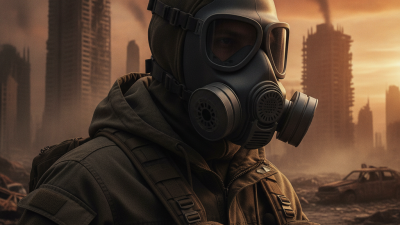
Why Choose a CBRN Gas Mask for Your Safety Needs?
In today’s unpredictable world, personal safety is a priority. Threats from chemical, biological, radiological, and nuclear (CBRN) agents are real. Many people are unaware of how vulnerable they are to these hazards. A CBRN gas mask can be a crucial tool for protection.
Equipping yourself with a CBRN gas mask shows foresight. This mask protects against harmful substances in the air. Its design fits securely, providing safety in dire situations. Quality gas masks are tested against various threats. They stop harmful agents from reaching your respiratory system. However, not all masks are created equal.
Choosing the right CBRN gas mask may feel overwhelming. There are many options available. Consider the quality and fit as you make your decision. Reflect on your specific needs and potential risks. Being well-informed about your safety equipment can be daunting. Yet, taking this step is essential for personal safety.
Understanding CBRN Threats and Their Impact on Safety
CBRN threats encompass chemical, biological, radiological, and nuclear hazards. These threats pose a significant risk to public safety. Understanding their nature is crucial for preparedness. Chemical agents can be invisible and odorless, while biological threats may spread rapidly. Radiological materials can linger in the environment, making detection difficult. Nuclear fallout is catastrophic, emphasizing the need for effective protection.
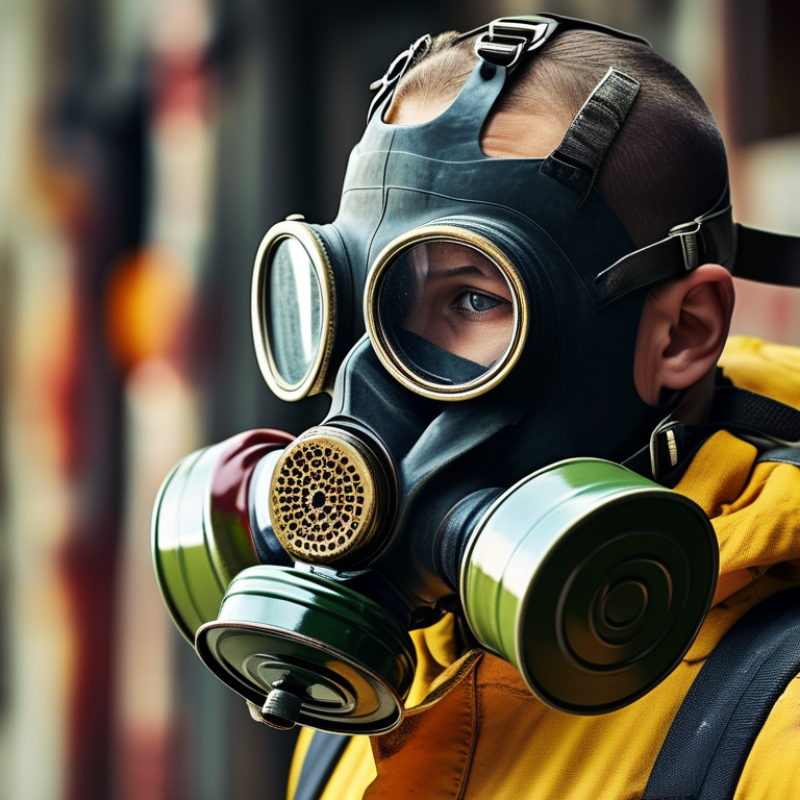
Choosing a CBRN gas mask is essential. It acts as your first line of defense against these dangers. These masks filter harmful particles and provide breathable air. Proper training in mask usage is vital. It ensures a swift and effective response when threats arise.
Consider these practical tips for safety. Always conduct a fit test before purchasing. A mask that doesn't fit well may not offer adequate protection. Learn how to properly seal the mask to your face. Regularly inspect your equipment for any damage. Being prepared can make all the difference in an emergency. Awareness and readiness are your allies against the unpredictable.
CBRN Threats Overview
This chart illustrates the distribution of various CBRN threats that impact safety. Understanding these threats can help individuals and organizations make informed decisions about the appropriate safety equipment, including gas masks.
The Importance of Personal Protective Equipment in Hazardous Situations
In hazardous situations, personal protective equipment (PPE) becomes vital for survival. CBRN gas masks are designed to protect individuals from chemical, biological, radiological, and nuclear threats. Data shows that proper PPE can reduce exposure by up to 90%. This statistic underscores the importance of such gear in emergency preparedness.
Effective gas masks contain advanced filtering systems. These filters remove harmful agents from the air. According to a report by the Occupational Safety and Health Administration, over 5,000 chemical incidents occur annually in the U.S. alone. This highlights the need for reliable protection against airborne toxins. As dangers evolve, so do the technologies behind PPE.
Wearing inadequate or outdated protective gear can lead to serious consequences. Many individuals overlook this aspect of personal safety. A study found that 30% of users do not fully understand their equipment. This gap in knowledge can be deadly. It's essential to regularly inspect and update safety gear. Proper education on usage and maintenance of CBRN masks can make a significant difference in protection levels.
Key Features of CBRN Gas Masks and Their Functionality
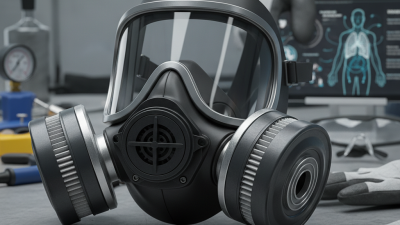
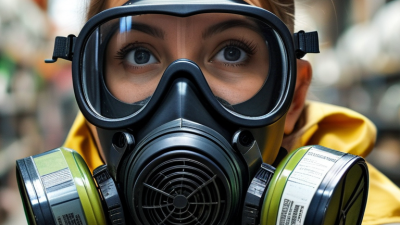
CBRN gas masks are essential for personal safety in hazardous environments. These masks are designed to protect against chemical, biological, radiological, and nuclear threats. Key features of CBRN masks include multi-layer filtration systems. These filters capture harmful substances, ensuring clean air for the user. Some masks also provide a tight seal to prevent exposure, which is crucial in emergencies.
The functionality of CBRN gas masks is advanced yet simple. Most models have built-in speech diaphragms, allowing clear communication even while wearing the mask. Additionally, the adjustable straps ensure a secure fit for different head sizes. This adaptability is important in high-stress situations. However, users may find prolonged wear uncomfortable. Regular training and familiarization with the gear are necessary to address this issue.
Certainly, there are limitations. Not every mask fits every user perfectly. The effectiveness can vary based on individual facial structure. Users must consider their specific needs when selecting a mask. Research and expert recommendations play a vital role in making informed choices. Understanding these features can significantly enhance safety and preparedness in unpredictable environments.
Why Choose a CBRN Gas Mask for Your Safety Needs? - Key Features of CBRN Gas Masks and Their Functionality
| Key Feature |
Description |
Benefits |
| Chemical Protection |
Designed to filter out hazardous chemicals and toxins. |
Ensures safety in environments contaminated with CBRN materials. |
| Radiological Protection |
Offers protection against radioactive particles. |
Reduces risk of radiation exposure in emergencies. |
| Biological Protection |
Filters out biological agents such as bacteria and viruses. |
Protects users from biological warfare and pandemics. |
| Comfort Fit |
Ergonomically designed for extended wear. |
Increases usability during emergencies where timing is crucial. |
| Visibility |
Panoramic lenses for a wide-field view. |
Enhances situational awareness in hazardous conditions. |
| Easy Maintenance |
Designed for simple cleaning and replaceable filters. |
Ensures longevity and reliability of the mask. |
| Multi-Filter System |
Compatible with various filter configurations. |
Provides customized protection based on threat levels. |
Comparative Analysis: CBRN Gas Masks vs. Standard Respirators
When evaluating safety equipment, CBRN gas masks stand out against standard respirators. CBRN masks are designed for specific threats, like chemical and biological agents. They provide a higher level of protection due to advanced filtration systems. In contrast, standard respirators primarily filter particulates and are not equipped for chemical threats.
The materials and construction of CBRN masks are typically more robust. They often feature airtight seals, ensuring contaminants do not enter. This is crucial in hazardous environments. Standard respirators, while useful for everyday safety, may fall short in critical situations. In high-risk scenarios, a CBRN mask can provide confidence that basic respiratory devices may lack.
However, not all users need a CBRN mask. The decision often depends on specific safety needs and potential exposure levels. Individuals must assess their environments carefully. Misjudging the necessary protection can lead to poor outcomes. Understanding the difference between these devices is key to making informed choices for personal safety.
Selecting the Right CBRN Gas Mask for Your Specific Safety Needs
When selecting a CBRN gas mask, understanding your specific safety needs is paramount. A reliable gas mask provides protection against chemical, biological, radiological, and nuclear threats. According to a report from the U.S. Department of Homeland Security, the right mask can significantly reduce exposure risk during emergencies. However, not all gas masks offer the same level of protection.
Choosing the correct filter type is crucial. The filtration system must match the specific hazards you might face. For example, HEPA filters can trap airborne particles, but they may not protect against gases. In fact, the CDC emphasizes that users should match filters with potential contaminants. Moreover, the fit of the mask plays an essential role. A mask that doesn't form a tight seal may allow harmful agents to enter.
Training is another aspect often overlooked. Many people assume they know how to use a gas mask effectively. However, proper usage requires practice. Knowledge of decontamination procedures is also essential. Data suggests that regular drills can improve response time during actual emergencies. Still, it’s common for individuals to underestimate the importance of this preparation. Addressing these factors can make a significant difference in safety outcomes.