How to Choose a Nuclear Gas Mask for Global Buyers
Choosing a nuclear gas mask for global procurement requires more than comparing prices or appearance. Buyers need to understand what the equipment can—and cannot—protect against. A respirator may help filter certain airborne particles or approved contaminants when used with compatible filters and a proper seal. It does not shield the wearer from radiation itself. That distinction matters. Product names can sound reassuring, but labels alone prove little.
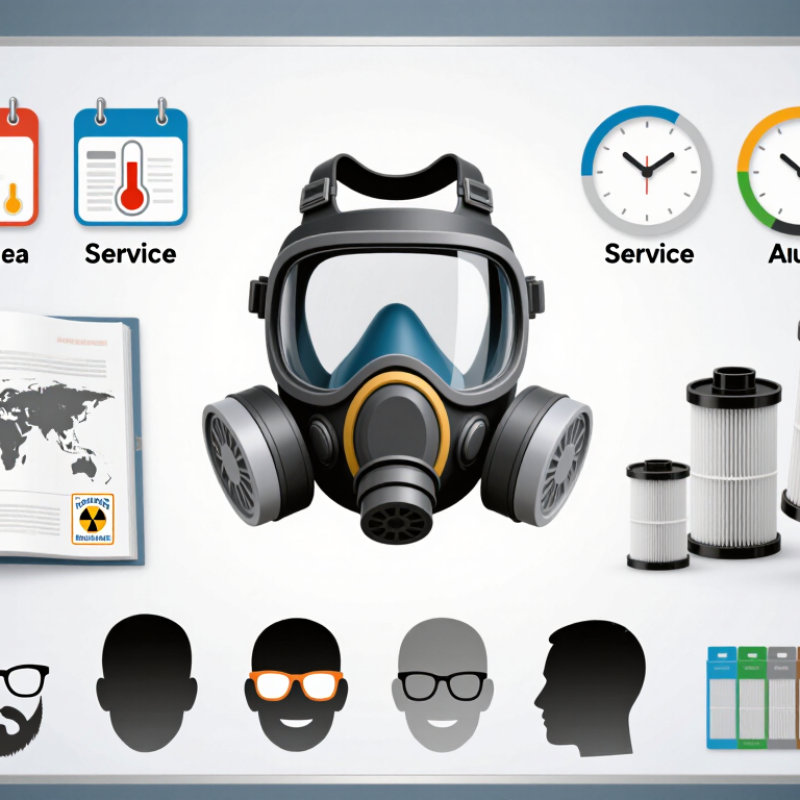
A careful evaluation begins with the intended hazard, the manufacturer’s technical documents, and applicable certification for the destination market. Check filter compatibility, service life, storage conditions, replacement availability, and clear instructions in a language users understand. Fit also matters: facial hair, eyewear, and different face shapes can affect the seal. A mask that looks robust on a shelf may not fit every person. Even experienced buyers can overlook this practical detail. It deserves a second look.
This guide outlines questions global buyers can ask before selecting equipment, from verifying test claims to assessing supplier support. Request traceable documentation and confirm claims with qualified safety professionals or relevant public authorities. Requirements and standards vary by country, and a product suitable for one setting may not suit another. No single mask covers every emergency. Sound purchasing starts with realistic limits, careful verification, and a plan for training, inspection, and replacement.
Understand What a Nuclear Gas Mask Can and Cannot Protect Against
The phrase “nuclear gas mask” can suggest broader protection than a mask can provide. A properly fitted full-face respirator with a suitable particulate filter may reduce inhalation of radioactive dust and fallout particles. It does not shield the body from penetrating radiation, such as gamma rays or neutrons. It also leaves skin exposed. A mask is only one part of protection.
Check what the filter is certified to capture, and whether it also handles specific gases or vapors; particulate filters do not remove every airborne hazard. Some hazards cannot be filtered. Oxygen-poor environments are especially dangerous, and an ordinary respirator cannot make them safe.
Fit matters, too: facial hair, a damaged seal, or an expired filter can undermine protection. Small details count. Buyers in different regions should verify recognized local certification, storage conditions, replacement availability, and clear fit-testing instructions. Even careful buyers may overestimate what a mask can do.
Follow public emergency guidance, seek suitable shelter, and avoid contaminated dust where possible; a respirator cannot replace those steps.
Identify the Relevant Hazards and Required Protection Standards
“Nuclear” is not one exposure. A respirator may reduce inhalation of radioactive dust or certain hazardous gases, but it cannot stop gamma rays, blast pressure, or heat. That distinction matters. Radioactive particles and radioactive iodine also require different filter capabilities; a general-purpose cartridge is not a universal solution. An air-purifying mask needs breathable oxygen and a known, suitable atmosphere. It is not appropriate for oxygen-deficient or unknown conditions.
Start by identifying the likely contaminant, its form, concentration, and exposure route. Then match the mask and filter to the hazard, checking the exact approval and limitations on the product documentation. For example, buyers may encounter NIOSH approvals in the United States and EN 136, EN 143, or EN 14387 standards in Europe. Requirements vary by market, so verify current approvals with the relevant national authority. A standard number alone does not prove suitability for every emergency. The fit matters, too: facial hair, poor sizing, and an untested seal can compromise protection. Filters have service limits and storage conditions. A common planning gap is focusing on the mask while overlooking fit testing, training, replacement filters, and safe-use procedures. I would not rely on a reassuring label without checking those details.
How to Choose a Nuclear Gas Mask: Particulate Filter Ratings
Under the U.S. NIOSH 42 CFR Part 84 classification, P95, P99, and P100 filters have minimum particulate filtration efficiencies of 95%, 99%, and 99.97%, respectively. These ratings apply to airborne particles—not radioactive gases or vapors—and do not indicate whole-mask protection. Identify the specific hazard and check that the complete respirator and canister are certified for it under the applicable national standards.
Choose a Mask Type, Filter, and Cartridge for the Intended Use
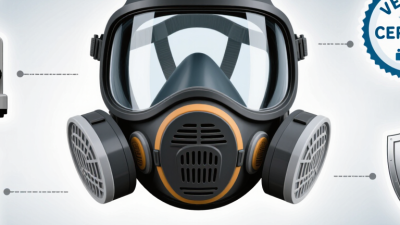
Choosing a nuclear gas mask starts with the task, not the label. A full-face respirator protects the eyes as well as the nose and mouth, while a half-mask leaves eyes exposed. Neither option blocks penetrating radiation. A respirator only reduces exposure to certain airborne hazards when it fits correctly and uses a suitable filter. Facial hair along the seal can cause leaks. Fit matters.
Match the filter and cartridge to the hazard listed by a qualified safety professional. Particulate filters capture particles, but they do not automatically remove gases or vapors. Some cartridges are designed for specific substances, and no single cartridge covers every threat. Check the respirator and cartridge compatibility, approval markings, shelf life, and storage instructions. For radioactive iodine, requirements may differ from ordinary dust protection. Do not assume a “nuclear” label means universal protection.
Tips: Check the seal before each use, and replace damaged or expired components. Keep cartridges sealed until needed. Test the complete setup in a safe training environment. It is easy to overestimate what a mask can do; plan for clean air, communication, and professional guidance as well.
Check Fit, Comfort, and Compatibility with Other Protective Equipment
For global buyers, a nuclear-protection mask should fit securely before comfort or appearance becomes a deciding factor. Facial hair, glasses, and head shape can affect the seal. Try the mask with its intended filters, then follow the maker’s seal-check instructions. A fit test by a qualified provider is more reliable than a quick mirror check. A mask may reduce exposure to certain airborne hazards, but it does not shield the body from penetrating radiation.
Tips: Wear the mask for several minutes in a safe setting. Check for pressure points around the nose and cheeks. Turn your head, speak, and bend gently. If air leaks or breathing feels unusually difficult, stop and reassess the fit.
Compatibility matters during real tasks. Test the mask with your helmet, eye protection, hearing protection, and protective clothing—not just one item at a time. Straps can shift when a hood goes on; goggles may fog, and bulky gloves can make adjustments awkward. Check that the filter type matches the hazards identified by a qualified safety professional, and confirm that parts connect correctly. Requirements and equipment standards vary by location, so verify documentation with a competent supplier. Fit charts help, but they cannot capture every face or working condition. That uncertainty deserves attention.
Compare Maintenance Needs, Availability, and Supplier Support by Region
For global buyers, maintenance is more than changing a filter. Check cartridge compatibility, expiry dates, seal condition, and storage instructions before purchase. Heat, humidity, and dust can shorten usable life. Fit testing and user training matter, too. A poor face seal can defeat a suitable filter. NIOSH’s CBRN respirator approval program evaluates equipment against defined performance tests; buyers should verify applicable certification in their own market. A mask filters inhaled hazards. It does not shield against penetrating radiation or provide oxygen. That distinction is easy to overlook.
Availability and support differ by region. The World Bank’s Logistics Performance Index 2023 scored Germany at 4.1 and the United States at 3.8, on a 1–5 scale. These figures describe logistics performance, not respirator stock. Still, they can help frame delivery-risk questions. Ask suppliers about local replacement filters, inspection services, lead times, and clear instructions in the user’s language. Request written confirmation of model compatibility and shelf life. I would not treat a strong logistics score as proof of nearby inventory; that shortcut is tempting, but weak. In regions with limited service networks, replacement parts may take longer than the mask itself to arrive. Check before committing.