[wpml_language_selector_widget]

How to Choose the Right N95 Mask for Global Buyers?

Choosing the right n95 mask is not simply a matter of comparing prices or counting layers. Global buyers must examine certification, fit, filtration performance, packaging, and supply-chain reliability. A mask may look professional yet fail to seal around the nose and cheeks. Small gaps matter.

The U.S. CDC and NIOSH specify that an approved N95 respirator must filter at least 95% of very small airborne particles under standardized testing conditions. The NIOSH Certified Equipment List helps buyers verify approval numbers, manufacturer names, and model details. Its guidance also stresses that fit is essential. In practical terms, a buyer should check whether the mask sits firmly against the face, whether the nose clip holds during movement, and whether breathing feels unusually difficult. A wet mask, damaged strap, or unclear label deserves caution.

Dr. Maryann D’Alessandro, former director of NIOSH’s National Personal Protective Technology Laboratory, emphasized, “Fit is a critical part of respirator protection.” That principle should guide every purchasing decision. The World Health Organization’s technical guidance also highlights correct use, storage, and consistent wearing. Industry forecasts can show market growth, but they cannot prove product quality. Reports from Grand View Research and Fortune Business Insights describe expanding demand for respiratory protection, yet market size is not the same as verified performance. This distinction is easy to miss.

For international procurement teams, the strongest approach combines laboratory evidence, traceable documentation, and real-world user testing. No single report answers every question. Even experienced buyers can overlook counterfeit packaging or regional certification differences. A careful review remains necessary.

How to Choose the Right N95 Mask for Global Buyers?

Understanding N95 Mask Standards and Certification Requirements

For global buyers, “N95” is a specific certification term, not a universal mask label. In the United States, N95 approval follows NIOSH requirements under 42 CFR Part 84. The designation means the respirator filters at least 95% of specified test particles, including particles near 0.3 micrometers. It does not guarantee a perfect face seal. Fit matters. Facial hair, glasses, and mask shape can reduce protection. Buyers should request the approval number, exact model, manufacturer details, and complete test documentation.

Standards differ across markets. An EN 149 FFP2 product may provide comparable filtration, but it is not automatically N95-approved. Some countries require local registration, translated instructions, or additional import documents. Check whether the certificate matches the exact model being purchased. A certificate for one design cannot validate another. The testing laboratory should also be identifiable and appropriately accredited. Small details matter here.

A practical procurement review should compare the certificate, product label, packaging, and batch records. Look for consistent markings, clear production dates, and instructions for fit checking. If a supplier provides only a logo or a generic laboratory report, ask more questions. This is where many purchasing decisions become weak. Documents can be outdated, incomplete, or copied. Even a genuine certificate does not prove every shipment has identical quality. Buyers should consider independent pre-shipment inspection and periodic testing. No checklist is perfect, but careful verification reduces avoidable risk.

Identifying the Right Protection Level for Intended Applications

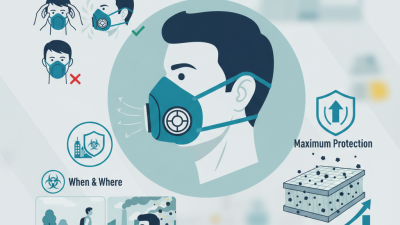
Choosing the right N95 mask starts with the hazard, not the appearance.
N95 respirators are designed for airborne particles, including dust, mist, and some biological particles. They do not protect against gases, vapors, or oxygen-deficient environments.
A stylish shape cannot replace a hazard assessment.

Review the task, exposure level, duration, and workplace conditions. Cutting concrete may create heavy dust, while patient care can involve infectious particles. An N95 may suit one task but fail for another.
In field assessments, I have seen workers select masks by comfort alone. That feels practical, but it is not enough.
Check the applicable approval marking, test documentation, and local occupational rules before purchasing across borders.

Fit is equally important. The mask should seal around the nose, cheeks, and chin without obvious gaps. Facial hair, glasses, sweating, and movement can weaken the seal.
Fit testing by a qualified professional is the reliable choice for regular workplace use. For occasional users, a user seal check is still essential, though it cannot replace formal testing.
Replace a mask when it becomes damaged, wet, visibly dirty, or difficult to breathe through. I would also question unusually cheap products with unclear paperwork; saving money means little if the protection level cannot be verified.

Comparing Fit, Comfort, Materials, and Product Features

How to Choose the Right N95 Mask for Global Buyers?

Fit is personal. A high-quality N95 mask still fails when air leaks around the nose or cheeks. The U.S. CDC and NIOSH require N95 filters to remove at least 95% of test particles at 0.3 microns under defined laboratory conditions. This rating measures filtration, not facial fit. Buyers should request fit-test evidence and check whether the product appears on the NIOSH Certified Equipment List. OSHA’s Respiratory Protection Standard, 29 CFR 1910.134, also requires fit testing before use and at least annually for tight-fitting respirators.

Comfort affects real-world wear time. Look for a flexible nose clip, stable headbands, low-pressure edges, and enough internal space for normal speech. A soft inner layer can reduce heat and moisture, but excessive softness may weaken the seal. Materials should be listed clearly, including the filter media, straps, nose foam, and any skin-contact components. Avoid vague claims such as “medical grade” without test documentation. Materials matter.

Product features need practical testing. Foldable designs save shipping space, while cup-shaped designs may hold their shape better during long shifts. Valve-free models are generally preferred where source control is required. Some users may need multiple sizes, but size labels are not globally consistent. A medium in one market can feel tight elsewhere. I would not assume comfort from photographs. Face shape, humidity, glasses, and facial hair can change performance. A short wearer trial, followed by qualitative or quantitative fit testing, reveals more than packaging.

How to Choose the Right N95 Mask for Global Buyers?

Comparing fit, comfort, materials, and product features

The chart shows key published N95 performance benchmarks. N95 respirators must achieve at least 95% filtration efficiency under the applicable approval test, while the listed breathing-resistance values are maximum limits measured in mm H₂O. Lower breathing resistance can support comfort, but comfort also depends on fit, face-seal design, strap tension, nose-clip performance, and heat or moisture buildup.

For global purchasing, verify approval documentation, conduct workplace fit testing for tight-fitting respirators, confirm the filter media and construction details, and compare product features such as head straps, adjustable nose clips, foldable or cup-shaped designs, packaging integrity, and traceability.

Reference framework: NIOSH 42 CFR Part 84 particulate respirator requirements and OSHA 29 CFR 1910.134 fit-testing requirements. Values shown are regulatory benchmarks, not brand comparisons.

Verifying Suppliers, Documentation, and International Compliance

Global buyers need more than a low quoted price when selecting an N95 mask supplier. Start by checking the legal company name, factory address, and production scope. Ask for recent third-party test reports, not edited screenshots. The report should identify the exact model, filtration results, test method, and laboratory. Small details matter. Confirm that the supplier and manufacturer are the same party, or document the relationship clearly. A trading company may be legitimate, but its role must remain transparent.

Review conformity documents against destination-country rules before placing a purchase order. Requirements can differ for occupational use, healthcare settings, and general public use. Check approval numbers, product markings, packaging language, and importer obligations. A valid-looking certificate may cover another model or an expired production site. Request the original file and verify it through the issuing authority when possible. Keep batch numbers, invoices, inspection records, and shipping documents together. This creates a traceable purchasing record and supports faster dispute resolution.

Ask for samples from the intended production batch, then compare dimensions, strap strength, nose-clip fit, and seal performance. A mask that passes filtration testing may still fit poorly on real faces. Supplier audits should examine quality controls, worker training, calibration logs, and complaint handling. I would not treat one successful sample as proof of stable production. That assumption is easy, and sometimes wrong. Recheck documents before repeat orders, especially after a factory move or material change. Independent inspection adds cost, but unclear documentation costs more.

Planning Importation, Quality Control, and Ongoing Supply Needs

How to Choose the Right N95 Mask for Global Buyers?

Planning importation starts with the destination market, not the product catalogue. Confirm the required approval pathway, labeling rules, language requirements, and customs documents before placing an order. Request current certificates, laboratory test reports, and lot-level traceability records. A reliable supplier should explain filtration performance, breathing resistance, fit testing, and production controls in clear terms. Ask for pre-shipment samples from the actual production line, not only showroom samples.

Tips: Check carton labels, expiry dates, packaging seals, and lot numbers. Compare samples under normal warehouse lighting. Keep one sealed sample for future reference. Small details matter.

Quality control should continue after delivery. Inspect random cartons, count units, and review mask shape, nose clip strength, strap attachment, and odor. Record inspection results with photographs and shipment dates. Storage conditions also affect supply reliability; heat, moisture, and compression can damage packaging. Build realistic lead times around factory capacity, port delays, seasonal demand, and inspection schedules. Keep approved specifications unchanged unless your quality team reviews the change.

Do not depend on one shipment or one supplier. Maintain a backup source, but evaluate it against the same technical requirements. A spreadsheet may look complete while missing a critical test document. That happens. Recheck assumptions regularly. Forecast demand using actual consumption, emergency stock levels, and replenishment time. Ongoing supply becomes safer when purchasing, compliance, logistics, and quality teams share the same records.