Top 10 P95 Mask Types for Global Buyers?
Choosing among the top 10 P95 mask types requires more than comparing product photos and quoted prices. A p95 mask is typically designed to filter at least 95% of test particles and resist oil-based aerosols under specific certification conditions. However, performance depends on fit, correct use, storage, and verified manufacturing quality. A mask that looks substantial may still leak around the nose.
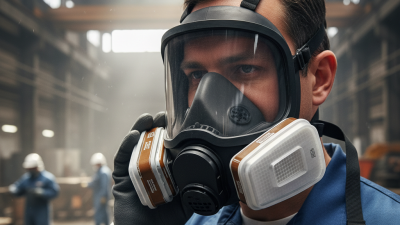
Global buyers often compare cup-style, fold-flat, valved, reusable elastomeric, welding, and specialty particulate respirators. Each design suits different working environments. A warehouse worker may value quick donning and compact cartons. A metalworker may need better compatibility with face shields and eye protection. A buyer handling humid shipments should also inspect packaging seals, shelf-life markings, and carton compression.
Small details matter.
Reliable sourcing starts with evidence. Ask suppliers for current certification records, technical data sheets, test reports, and clear model numbers. Check whether claims match the destination market’s rules. Standards and approval pathways differ across regions, so one label should not be treated as universal proof. Independent inspection can confirm quantities, packaging, labeling, and sample consistency before shipment.
There is no perfect ranking. A low unit price can become expensive when straps break, sizes fit poorly, or documentation is incomplete. Even experienced buyers miss this. A useful comparison should weigh protection claims, comfort, fit testing, supply continuity, and transparent supplier communication. The following guide examines ten common P95 mask types through that practical lens, while acknowledging that workplace assessments and local regulatory guidance remain essential.
What P95 Masks Are and How Their Protection Ratings Work
P95 masks are particulate-filtering respirators designed to remove at least 95% of test particles from inhaled air. The “P” rating means the filter is strongly resistant to oil-based particles. This differs from an N95 rating, which is not oil-resistant. The number measures filtration performance, not complete personal protection.
A P95 respirator does not filter gases, vapors, or supply oxygen. It cannot make polluted or oxygen-deficient spaces safe. The face seal matters greatly. Gaps around the nose, cheeks, or chin can reduce real-world protection, even when the filter performs correctly. Facial hair may also interfere with sealing. Fit testing is the more reliable check.
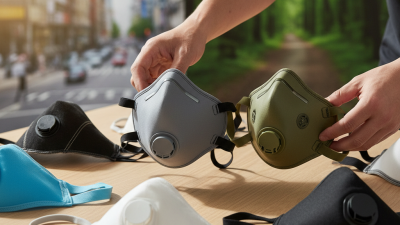
Shape and design vary among P95 types. Cup-style models hold their form, while fold-flat models store easily. Some include adjustable nose clips, headbands, or exhalation valves. A valve may improve comfort, but it does not improve filtration of incoming air. Buyers should inspect approval markings, test standards, packaging, and replacement guidance for their market. Standards are not identical worldwide. That detail is easy to overlook.
In practical use, users should check for damage, moisture, and breathing resistance before wearing one. Touching the filter repeatedly can also create handling problems. P95 is not a magic shield. I would not judge protection by thickness or appearance alone. A comfortable mask that seals well is often more useful than a rigid model that leaks.
The Ten Main P95 Mask Types and Their Intended Uses
Top 10 P95 Mask Types for Global Buyers
The Ten Main P95 Mask Types and Their Intended Uses
P95 refers to a filter class, not one specific mask shape. It filters at least 95% of airborne particles and resists oil-based aerosols. A cup-shaped disposable P95 suits short, dusty tasks. A fold-flat model packs easily for mobile workers. Valved versions reduce breathing heat, while unvalved versions help limit the wearer’s exhaled particles. Check the seal carefully.
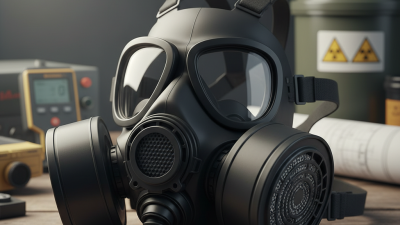
A carbon-layer P95 may reduce some unpleasant odors, but it does not replace vapor protection. An adjustable-headband model supports repeated positioning during long shifts. A reusable elastomeric half-mask accepts replaceable P95 filters and suits frequent industrial work. A full-face respirator adds eye protection, especially around irritating dust. These two require cleaning and correct storage. Small mistakes matter.
A welding-compatible P95 design can support particulate control near welding operations, but it does not replace a proper welding shield. A powered air-purifying respirator with P95 filters reduces breathing resistance and may help workers who struggle with tight-fitting masks. Loose-fitting hoods can also help, depending on approval and workplace conditions. None of these types protects against gases or vapors. Fit testing, local certification, filter replacement, and user training remain essential. A product photo cannot prove performance. In practice, buyers should verify the complete approved assembly, not just the word P95.
How P95 Mask Designs Differ in Fit, Filtration, and Comfort
P95 masks for global buyers differ less by label than by geometry, seal, and wearing conditions. A cup-shaped shell often holds its shape during long shifts. Fold-flat designs pack easily, but their panels may crease near the nose. Molded styles can create a steady internal space. That space reduces fabric contact with the lips.
Filtration performance depends on the tested material and the complete seal. A P95 rating generally indicates at least 95% filtration of certain test particles, with resistance to oil-based particles. It does not guarantee equal protection on every face. Nose foams, adjustable straps, and flexible edges can improve fit. Exhalation valves may reduce heat and moisture, but they do not improve incoming filtration. Buyers should review documented testing and applicable certification requirements.
Comfort is practical, not decorative. Wider straps can reduce pressure behind the ears, while low-profile edges help with helmets and glasses. I have seen a comfortable mask fail because the lower strap slipped during conversation. A quick seal check matters each time. Small leaks are easy to miss. Humid work areas can expose poor design quickly through fogged eyewear and damp fabric. Facial hair, sweat, and repeated adjustment can change performance. No design fits everyone. That remains an inconvenient truth worth testing with real users.
Top 10 P95 Mask Types for Global Buyers: How Designs Differ in Fit, Filtration, and Comfort
The chart compares the published minimum filtration-efficiency requirements of ten widely referenced particulate-respirator classes. NIOSH P95 respirators are rated at a minimum of 95% filtration efficiency and are designed for strong resistance to oil-based aerosols. Fit and comfort depend mainly on the facepiece shape, nose-clip design, strap configuration, valve presence, and the individual wearer; these factors are not represented by one universal international score.
Values show minimum stated filtration efficiency under each applicable standard. Standards use different test methods, so the percentages should be treated as benchmarks rather than direct certification equivalencies.
How Global Buyers Can Compare P95 Masks by Standards and Features
Global buyers should compare P95 masks by certification, not appearance.
The U.S. NIOSH standard requires P95 filters to remove at least 95% of test particles. The “P” rating also indicates resistance to oil-based aerosols. However, this does not mean unlimited protection. OSHA assigns a protection factor of 10 to a correctly fitted half-mask air-purifying respirator, when used within a compliant respiratory program.
Look for the approval number, test standard, product size, and expiry information.
A genuine NIOSH approval should be traceable through the Certified Equipment List. European FFP2 products follow EN 149 and require at least 94% filtration under defined laboratory conditions. These results are not directly interchangeable with P95 results, because test particles, airflow, and leakage methods can differ.
Small details matter.
Fit remains practical evidence.
A mask may pass laboratory testing but leak around the nose during movement. OSHA requires fit testing for tight-fitting respirators, and facial hair can prevent an effective seal. Buyers should also compare adjustable straps, nose-bridge stability, breathing resistance, packaging integrity, and user instructions. I would not rely on filtration numbers alone. The comparison process is imperfect, especially across regions, but checking certificates before price can prevent costly mistakes.
How to Select, Verify, and Purchase P95 Masks Internationally
Top 10 P95 Mask Types for Global Buyers
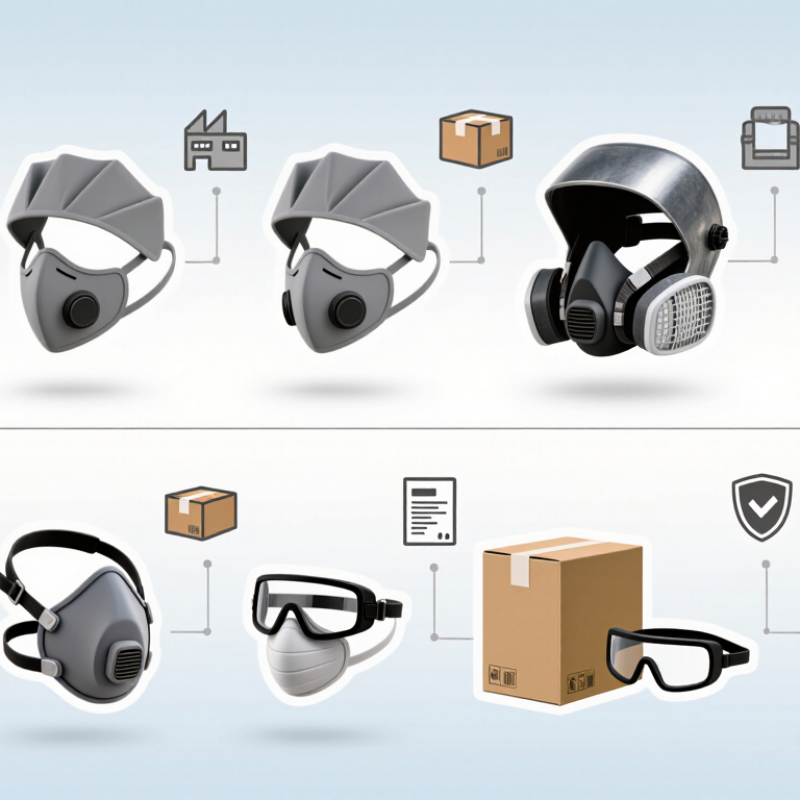
International P95 purchasing requires more than comparing product photos. P95 means the respirator filters at least 95% of test particles and resists oil-based aerosols. Check whether the model is cup-shaped, foldable, valved, or designed with adjustable straps. Each structure affects comfort, communication, heat buildup, and workplace suitability.
Ask the supplier for the approval number, test report, technical datasheet, and clear packaging photographs. Match every document to the exact model, not merely the product family. Confirm the manufacturing date, shelf life, filtration rating, and storage conditions. A certificate alone is not enough. Verify it through the official certification database when possible.
International buyers should also review destination-country requirements before payment. Some markets accept specific foreign approvals, while others require local registration or labeling. Request samples before ordering cartons. Test the seal around the nose, cheeks, and chin. Facial hair can prevent a reliable fit. A fit test remains essential for professional use. Details matter.
Compare minimum order quantities, inspection terms, replacement procedures, and shipping conditions in writing. Keep invoices, batch numbers, and inspection records. One overlooked detail can delay customs clearance or weaken quality control. Even a careful checklist can miss a practical issue, such as straps breaking after storage. That possibility deserves honest review before a large purchase.