Top Quality Gas Masks for Global Buyers What to Look For?
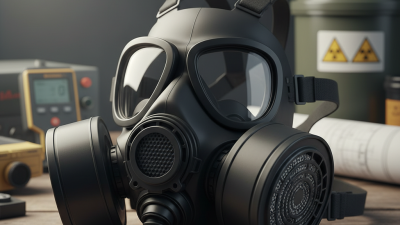
When purchasing a gas mask, buyers should consider quality above all. A gas mask is a vital tool for protection against hazardous environments. It is crucial to choose the right one, ensuring it meets high standards.
Buyers need to evaluate materials and construction. Look for durability and comfort. Effective filtration systems are essential for safety. Examining user reviews can provide insights but may not capture every detail. Sometimes, a mask may look perfect but fail in real-world use.
Understanding the purpose is key. Different masks serve various needs. Users should educate themselves about specific features. This knowledge boosts confidence in their decisions. Investing in a trustworthy gas mask can make a significant difference in crisis situations. Each aspect of the buying process deserves careful thought.
Overview of Gas Masks and Their Importance in Various Situations
Gas masks serve crucial roles across various applications, from military operations to industrial environments. Their primary function is to protect users from harmful airborne particles, gases, and vapors. According to the Centers for Disease Control and Prevention (CDC), chemical exposure can significantly impact respiratory health, necessitating reliable protective gear.
In emergency situations, the importance of gas masks escalates. Public health reports indicate that exposure to pollutants and chemical agents can lead to acute health crises. A study by the National Institute for Occupational Safety and Health (NIOSH) found that proper filtration in gas masks can reduce exposure risk by up to 95%. This statistic underscores the necessity of selecting high-quality masks that meet specific standards.
However, not all gas masks are created equal. Factors such as fit, filter quality, and durability are essential when assessing a mask's effectiveness. It's unclear how many users consistently adhere to fit-testing recommendations, which can compromise safety. Striking a balance between comfort and protective capabilities remains a challenge. Users often overlook maintenance, which is vital for ensuring longevity and reliability in critical situations.
Key Features to Consider When Choosing a High-Quality Gas Mask
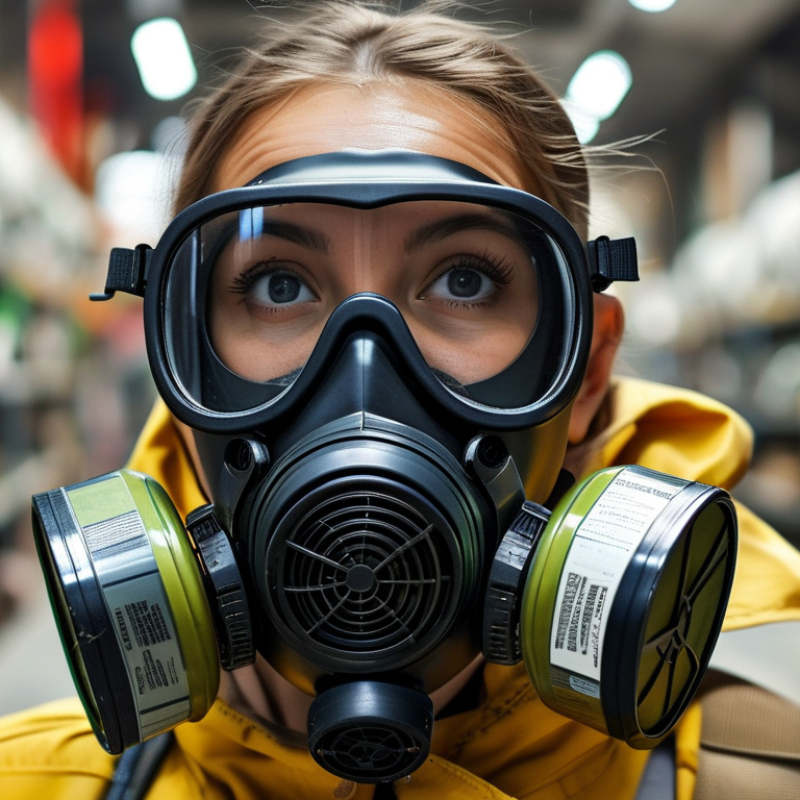
When selecting a high-quality gas mask, several key features must be taken into account. The first critical aspect is the fit of the mask. A proper fit ensures that there are no gaps between the mask and the face, which can compromise protection. Industry reports indicate that a poorly fitted mask can reduce its efficacy by over 50%. Make sure to evaluate the sizing options provided and consider adjustable straps for better conformity.
Another essential feature is the type of filters used. Gas masks must be equipped with filters capable of removing specific contaminants. The effectiveness of a filter is typically rated by its efficiency, with standard filters rated to capture 99.97% of particles 0.3 microns in size. Filters with longer shelf lives can also offer more reliability, as stated in studies from leading safety agencies. It’s also important to check the ease of replacing filters. Complicated replacement processes may lead to improper usage during emergencies.
Finally, durability is a necessary consideration. Gas masks made from high-quality materials can withstand extreme conditions and ensure longevity. Reports emphasize that masks meeting military standards often outperform those with only basic certifications. While the costs for these masks may be higher, investing in reliability is often worth the peace of mind they provide. Consider these factors carefully, as the wrong choice can lead to ineffective protection in critical situations.
Types of Filters and Their Role in Gas Mask Effectiveness
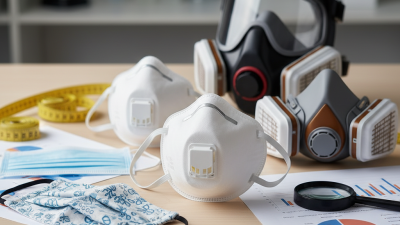
Choosing the right gas mask is crucial for safety. Filters play a significant role in the mask’s effectiveness. They are designed to trap harmful particles and gases in various environments. Different filters serve specific purposes. Some are effective against particulates, while others target chemical agents or biological threats. Understanding these distinctions is key for buyers.
When selecting a gas mask, examine the filter types. HEPA filters capture tiny particles like dust and allergens. Chemical filters neutralize toxic gases. Biological filters can filter out pathogens. Each type has its limitations and strengths. It’s essential to assess your environment and potential threats when making a choice. Filters have an expiration date, so checking for freshness is vital.
Consider practicing with your gas mask and filters. Familiarize yourself with how they work. Test the fit and comfort level. Practicing regularly can highlight any deficiencies or areas for improvement. Investing in a high-quality mask and filter system requires careful thought, especially regarding specific needs and risks. Prioritize safety and reliability when making your selection.
Certifications and Standards for Gas Masks: What Buyers Should Know
When purchasing gas masks, understanding certifications and standards is crucial. Regulatory bodies, such as the National Institute for Occupational Safety and Health (NIOSH) in the United States, set rigorous testing protocols. NIOSH-approved masks undergo evaluations to ensure they meet safety requirements. For instance, 95% filter efficiency is a common threshold. These approvals signify that masks effectively filter harmful particles.
The European Union has its standards too. Masks compliant with EN 136 or EN 140 often indicate high performance. The difference between various certifications can be significant. Some masks prevent exposure to specific chemicals, while others focus on particulates. A general misconception is that all masks provide equal protection, but certification details reveal substantial differences.
Potential buyers might overlook the importance of regular testing and re-certification. Industry standards change, and masks that were safe a few years ago may not be suitable now. It's vital to research the latest findings and industry reports. According to a recent study, nearly 30% of gas masks on the market lack updated certifications. Buyers should prioritize safety and reliability over price alone.
Top Quality Gas Masks Certifications Overview
Top Brands and Models of Gas Masks Available for International Customers
When selecting a gas mask, international buyers face various options. Quality is paramount, and understanding the top brands can greatly impact your choice. Consider masks with high filtration efficiency. Look for masks that comply with international safety standards. The technology used in these masks often varies, so examine the specifications carefully.
Fit matters. A mask that doesn't fit well may not provide adequate protection. Look for adjustable straps and sizes that cater to different face shapes. Seals around the face should be snug but comfortable. Remember, a good seal is critical during emergencies.
For maintenance, ensure you know how to clean and store your gas mask properly. Improper handling can compromise its effectiveness. Replace filters according to manufacturer recommendations. Familiarize yourself with the product's lifespan and performance standards. Keep in mind that some models may require a learning curve for proper usage. Selecting a gas mask is significant; therefore, do thorough research and consult reviews before making a decision.